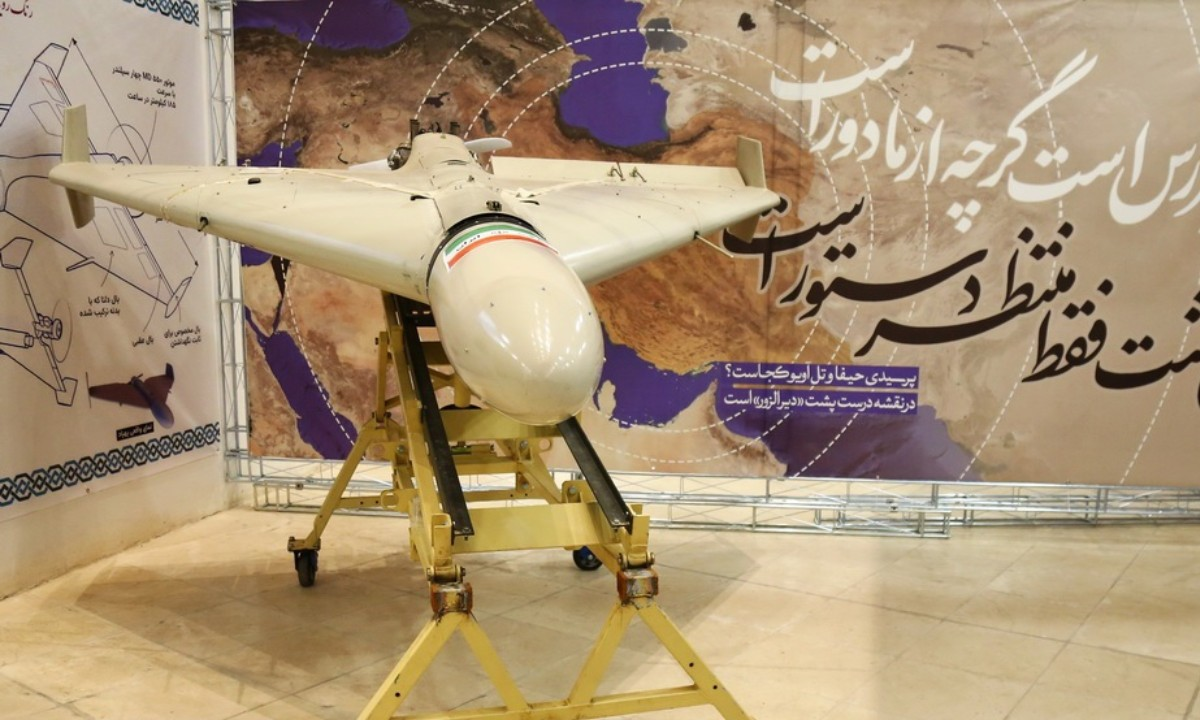
Saudi Drone Intercepts were confirmed after the Ministry of Defence said three unmanned aerial vehicles were shot down in the Kingdom’s eastern region.
The incident comes as Gulf airspace remains on heightened alert amid sustained regional tensions. Although authorities reported no major damage, the eastern region’s strategic importance amplifies the significance of any aerial threat.
Saudi Drone Intercepts Target Oil Heartland
The eastern province hosts much of Saudi Arabia’s oil infrastructure, including major production and export facilities. Therefore, even limited drone activity near the area draws immediate attention from energy markets.
Saudi defence systems engaged and destroyed the incoming drones before impact, according to the ministry. Officials did not disclose the origin of the UAVs or their intended targets.
However, repeated Saudi Drone Intercepts over recent weeks suggest continued pressure on air defence networks.
Air Defence Under Persistent Test
Saudi Arabia has invested heavily in layered missile and drone defence systems. Patriot batteries and radar networks form the backbone of its protective architecture.
Yet modern drone warfare presents unique challenges. Small, low-altitude UAVs can evade detection more easily than traditional ballistic threats. Consequently, sustained incidents increase operational strain and interception costs.
Regional Pattern Emerging
The latest Saudi Drone Intercepts follow similar aerial incidents across Gulf states. The UAE and other regional capitals have also reported successful interceptions in recent days.
This pattern reflects a broader regional escalation involving Iran, Israel, and US interests.
Economic Implications Beyond Borders
Saudi Arabia remains central to global oil supply. Although no infrastructure damage was reported, markets typically react to any perceived threat to Gulf energy assets.
For African economies dependent on imported fuel, prolonged instability in the region could drive up transport and electricity costs.
Additionally, insurance premiums for tankers operating in Gulf waters may rise if aerial threats persist.
Strategic Messaging and Deterrence
Saudi authorities have emphasized the success of defensive measures rather than escalation. This messaging aims to reassure both domestic and international audiences.
However, repeated Saudi Drone Intercepts may eventually prompt diplomatic recalibration or enhanced military coordination with allies.
Historically, sustained aerial campaigns have triggered stronger deterrent postures from targeted states.
Why This Matters
Saudi Drone Intercepts highlight how Gulf security dynamics are evolving. Drone warfare has shifted the conflict landscape, bringing aerial threats closer to economic centers.
Even when damage is avoided, each incident reinforces regional uncertainty.
What Happens Next
Saudi defence forces are likely to maintain heightened readiness across the eastern region. Monitoring of airspace and coordination with allied systems may intensify.
If further waves occur, regional responses could expand diplomatically or militarily.
For now, the eastern province remains secure but firmly under watch.