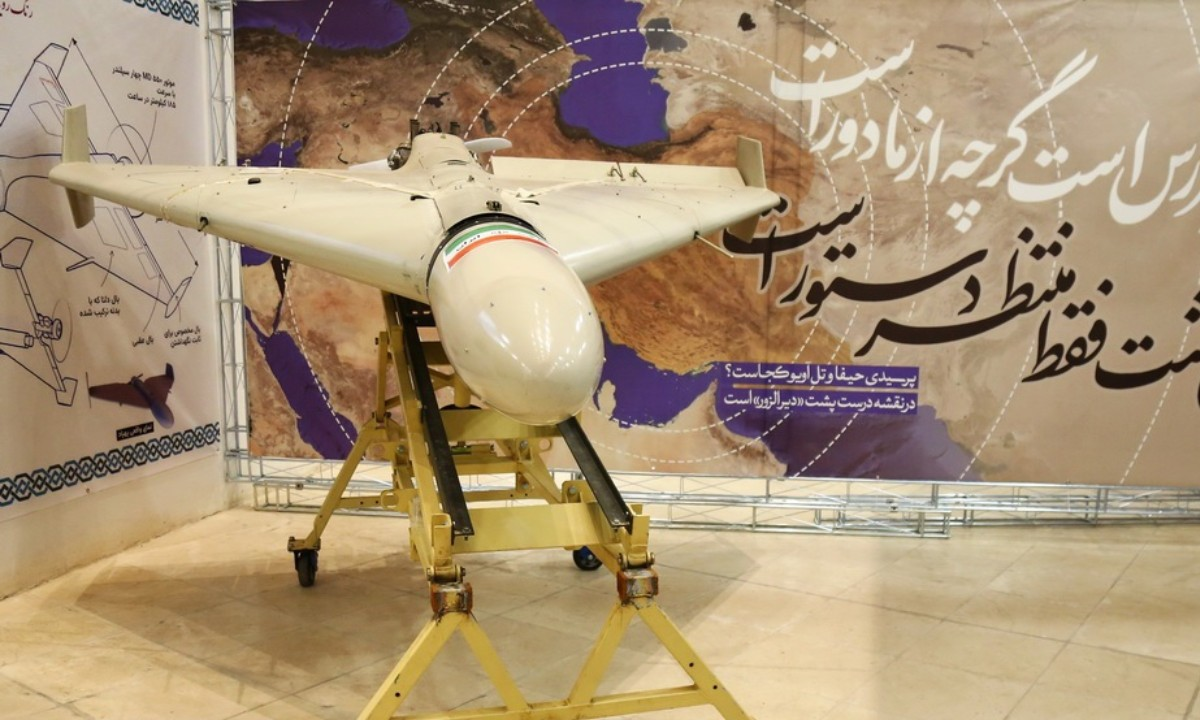
Riyadh Drone Intercepts underscored growing instability in the Gulf after Saudi Arabia’s Defence Ministry confirmed that four drones were destroyed over the capital’s metropolitan area.
The incident comes amid intensifying regional hostilities linked to the broader US-Israel war on Iran. Since late February, Saudi Arabia has faced repeated drone and missile threats targeting energy infrastructure, military facilities, and urban centers.
Riyadh Drone Intercepts Highlight Air Defense Strain
Saudi officials said air defense systems successfully intercepted and destroyed the incoming drones before they could reach their intended targets. Authorities did not immediately disclose the origin of the drones, though regional tensions point toward Iranian-linked actors.
The interception prevented what could have been damage to critical infrastructure in the capital. Riyadh remains a key political and economic hub, and any direct hit would have carried symbolic and financial consequences.
However, repeated Riyadh Drone Intercepts suggest sustained pressure on Saudi air defense systems. While the Kingdom has invested heavily in Patriot and other missile defense technologies, drone warfare presents evolving challenges.
Energy Infrastructure Remains a Prime Target
Since the conflict escalated on February 28, Saudi Arabia has reported multiple waves of aerial attacks. Officials say these have targeted oil facilities, US-linked assets, and military installations.
The Kingdom’s energy infrastructure is central to global oil markets. Previous attacks on Saudi oil facilities, including the 2019 Abqaiq strike, triggered sharp spikes in global crude prices.
Therefore, continued drone threats raise questions about energy security. For African oil-importing nations, price volatility could translate into higher transport and electricity costs.
Civilian Casualties Add Urgency
Authorities confirmed that at least two people have died and 12 others were injured in recent attacks. These casualties heighten domestic and international pressure for stronger defensive measures.
While most intercepts prevent large-scale destruction, falling debris from destroyed drones can still cause harm.
Regional Calculations Grow More Complex
Saudi Arabia has attempted to balance security partnerships with diplomatic outreach. In recent years, Riyadh reopened communication channels with Tehran in a bid to reduce hostilities.
However, escalating drone incidents complicate that approach. Direct or indirect targeting of urban areas narrows room for diplomatic maneuver.
The broader confrontation involving Iran, Israel, and the United States also increases the risk of spillover across Gulf Cooperation Council states. Shared airspace and interconnected energy networks amplify regional vulnerability.
Markets and Geopolitics in Focus
Oil traders monitor Gulf security developments closely. Even limited drone incidents can move prices if escalation appears likely.
Moreover, insurance costs for shipping and aviation in the region may rise if threats persist. For emerging markets, including several African economies reliant on Gulf trade and remittances, sustained instability would carry ripple effects.
Historically, Gulf crises have triggered rapid diplomatic intervention. Whether similar efforts succeed now depends on how each actor interprets deterrence and retaliation.
Why This Matters
Riyadh Drone Intercepts reflect the evolving nature of modern conflict. Low-cost drones now challenge high-cost air defense systems, shifting strategic calculations.
For Saudi Arabia, protecting energy and civilian infrastructure remains critical. For global markets, Gulf stability continues to anchor supply chains and financial confidence.
What Happens Next
Saudi authorities are likely to strengthen surveillance and interception protocols. Meanwhile, regional diplomatic channels may intensify behind closed doors.
If attacks persist, retaliatory actions could follow. However, if deterrence holds, the intercepts may remain a warning rather than a trigger for broader escalation.