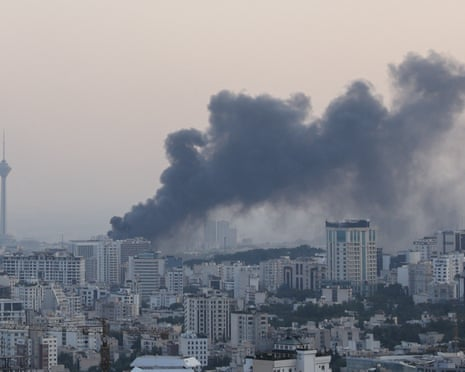
The Shiraz Strike has intensified the already volatile confrontation between Iran, Israel, and the United States. Iranian state-linked media reported that residential areas in Shiraz, capital of Fars province, were hit in what officials described as joint US-Israeli strikes.
According to Tasnim news agency, the attack targeted what it called a “residential and deprived area,” resulting in complete destruction of several housing units. Independent verification remains limited, and neither Washington nor Tel Aviv immediately confirmed the claim.
Shiraz Strike Targets Civilian Zone
Tasnim characterized the assault as “terrorist and anti-human,” stating that the intensity of the strike left residential buildings “100% destroyed.” Reports indicated heavy financial losses among residents, though casualty figures were not immediately disclosed.
Shiraz is not only a provincial capital but also a cultural hub. Often referred to as the City of Wine, it is home to Eram Garden, a UNESCO-listed heritage site. Although there were no reports of damage to historic landmarks, the symbolic significance of striking such a city carries weight.
If confirmed, the Shiraz Strike would represent a widening geographic scope in the conflict. Previous confrontations often focused on military facilities or strategic infrastructure.
Expanding Battlefield Raises Regional Risks
In recent days, rhetoric between Tehran and its adversaries has intensified. Iranian officials have vowed retaliation for what they describe as coordinated aggression. Meanwhile, Israel and the United States have emphasized security objectives without detailing specific operations.
The targeting of residential areas raises serious humanitarian concerns. Under international law, deliberate strikes on civilian infrastructure are prohibited. However, governments often argue that military assets embedded within civilian zones complicate assessments.
Information War Complicates Verification
Conflict reporting in the region remains highly politicized. State-affiliated outlets frequently frame narratives to shape domestic and international opinion. Therefore, analysts urge caution until satellite imagery or third-party assessments clarify the scale of damage.
Nonetheless, the Shiraz Strike adds pressure to an already unstable situation.
Economic and Energy Market Implications
Iran occupies a central role in global energy markets. Although sanctions restrict its exports, instability within the country influences oil price expectations.
Brent crude futures typically react to any sign of escalating Gulf conflict. For African economies reliant on fuel imports, sustained tension could push transport and electricity costs higher.
Moreover, insurance costs for shipping through the Strait of Hormuz may rise if strikes continue. That would ripple through global supply chains.
Cultural and Political Symbolism
Shiraz holds cultural significance beyond its economic footprint. Known for poetry, gardens, and architecture, the city embodies Iran’s historical identity. Striking it sends a symbolic message beyond immediate tactical objectives.
Historically, attacks on culturally prominent cities tend to harden domestic resolve. Public opinion often shifts in favor of stronger retaliatory measures after perceived civilian targeting.
Why This Matters
The Shiraz Strike signals that the conflict may no longer remain confined to strategic military sites. Civilian exposure increases the humanitarian dimension and elevates diplomatic urgency.
Regional actors, including Gulf states and European governments, may intensify calls for restraint. However, entrenched positions on all sides complicate de-escalation.
What Happens Next
Attention now turns to official confirmations and potential retaliatory measures from Tehran. If Iran responds militarily, the confrontation could expand further across the region.
Diplomatic channels may activate quietly, but public rhetoric suggests tensions remain high. For now, the Shiraz Strike underscores how rapidly localized clashes can transform into broader regional crises.