As of 2025, Dubai is home to a vibrant community of ultra-wealthy entrepreneurs and investors who have transformed the city into a hub for global business. The richest people in Dubai 2025 span diverse sectors including technology, real estate, education, finance, and retail, contributing to the emirate’s meteoric economic rise.
Dubai[a] is the most populous city in the United Arab Emirates and the capital of the Emirate of Dubai.[10] It is on a creek on the southeastern coast of the Persian Gulf. As of 2025, its population stands at 4 million,[6] 92% of whom are expatriates.[11] The wider urban area includes Sharjah and has a population of 5 million people as of 2023,[7] while the Dubai–Sharjah–Ajman metropolitan area has a population of 6 million people.
Founded in the early 18th century as a pearling and fishing settlement, Dubai became a regional trade hub in the 20th century after declaring itself a free port (1901) and extending the Creek (1961).[12] Modest oil revenue helped accelerate Dubai’s development from the 1960s to the 1990s, when the city started to diversify its economy.[12] In 2018, oil production contributed less than 1% to the emirate’s GDP.[13]
Read Also: Dubai Air Defence Interceptions Confirmed
Rapid construction since the 1990s has produced one of the world’s densest skylines,[14] including the world’s tallest building, the Burj Khalifa. Extensive land-reclamation projects have added more than 300 kilometres (190 mi) of artificial coastline. The city has a large real estate market, especially in the luxury segment.[15]
Dubai’s economy centres on trade, tourism, aviation, financial services, and real estate.[12][16] The Dubai International Financial Centre (DIFC) is one of the world’s major financial centres. In 2024, Dubai was the seventh most-visited city globally.[17] Dubai International Airport (DXB) is the world’s busiest airport for international passenger traffic, handling over 92 million passengers in 2024
One of the world’s fastest-growing economies,[132] Dubai’s gross domestic product is projected at over US$177 billion in 2021, with a growth rate of 6.1% in 2014.[133] Although a number of core elements of Dubai’s trading infrastructure were built on the back of the oil industry,[134] revenues from oil and natural gas account for less than 5% of the emirate’s revenues.[135] It is estimated that Dubai produces 50,000 to 70,000 barrels (7,900 to 11,100 m3) of oil a day[136] and substantial quantities of gas from offshore fields. The emirate’s share in the UAE’s total gas revenues is about 2%. Dubai’s oil reserves have diminished significantly and are expected to be exhausted in 20 years.[137] Real estate and construction (22.6%),[138] trade (16%), entrepôt (15%), and financial services (11%) are the largest contributors to Dubai’s economy.[139]
Dubai’s non-oil foreign trade stood at $362 billion in 2014. Of the total trade volume, imports accounted for the largest share at $230 billion, while exports and re-exports to the emirate totaled $31 billion and $101 billion, respectively.[140]
By 2014, China had emerged as Dubai’s largest international trading partner, with total trade of $47.7 billion, up 29% from 2013. India was second among Dubai’s key trading partners, with trade totaling $29.7 billion, followed by the United States at $22.62 billion. The Kingdom of Saudi Arabia was Dubai’s fourth-largest trading partner globally and its first in the GCC and the Arab world, with a total trade value of $14.2 billion. Trade with Germany in 2014 totalled $12.3 billion; Switzerland and Japan both at $11.72 billion; and the UK at $10.9 billion.[140]
Historically, Dubai and its twin across Dubai Creek, Deira (then independent of Dubai City), were important ports of call for Western manufacturers. Most of the new city’s banking and financial centres were headquartered in the port area. Dubai remained a major trade hub throughout the 1970s and 1980s. Dubai has a free trade in gold and, until the 1990s, was the hub of a “brisk smuggling trade”[64] of gold ingots to India, where gold import was restricted. Dubai’s Jebel Ali port, constructed in the 1970s, has the largest human-made harbour in the world and was ranked seventh globally for the volume of container traffic it supports.[141] Dubai is also a hub for service industries such as information technology and finance, with industry-specific free zones throughout the city.[142] Dubai Internet City, combined with Dubai Media City as part of TECOM (Dubai Technology, Electronic Commerce and Media Free Zone Authority), is one such enclave, whose members include IT firms such as Hewlett Packard Enterprise, HP Inc., Halliburton, Google, EMC Corporation, Oracle Corporation, Microsoft, Dell, and IBM, and media organisations such as MBC, CNN, BBC, Reuters, Sky News, and AP.[143] Various programmes, resources, and value-added services support the growth of startups in Dubai and help them connect to new business opportunities.[144]
The Dubai Financial Market (DFM) was established in 2000 as a secondary market for trading securities and bonds, both local and foreign. As of the fourth quarter of 2006, its trading volume stood at about 400 billion shares, valued at $95 billion. The DFM had a market capitalisation of about $87 billion.[114] The other Dubai-based stock exchange is NASDAQ Dubai, the Middle East’s international stock exchange. It enables a range of companies, including UAE and regional small and medium-sized enterprises, to trade on an exchange with an international brand name, with access to both regional and international investors.[145]
DMCC (Dubai Multi Commodities Centre) was established in 2002. It is the world’s fastest-growing free zone and was nominated for “Global Free Zone of the Year 2016” by The Financial Times Magazine.
Dubai is also known as the City of Gold because a major part of the economy is based on gold trading, with Dubai’s total gold trading volumes in H1 2011 reaching 580 tonnes at an average price of US$1,455 per troy ounce.[146]
A City Mayors survey ranked Dubai 44th among the world’s best financial cities in 2007,[147] while another report by City Mayors indicated that Dubai was the world’s 27th richest city in 2012, in terms of purchasing power parity (PPP).[148] Dubai is also an international financial centre (IFC) and has been ranked 37th within the top 50 global financial cities as surveyed by the MasterCard Worldwide Centres of Commerce Index (2007),[149] and first within the Middle East. Since it opened in September 2004, the Dubai IFC has attracted leading international firms as a regional hub and has established NASDAQ Dubai, which lists equity, derivatives, structured products, Islamic bonds (sukuk), and other bonds. The Dubai IFC model is an independent risk-based regulator with a legislative system consistent with English common law.[150]
In 2012, the Global City Competitiveness Index by the Economist Intelligence Unit ranked Dubai at No. 40 with a total score of 55.9. According to its 2013 research report on the future competitiveness of cities, Dubai will rank 23rd overall in the Index in 2025.[151] Indians, followed by Britons and Pakistanis are the top foreign investors in Dubai real estate.[152]
Dubai has launched several major projects to support its economy and develop different sectors. These include Dubai Fashion 2020[153] and Dubai Design District,[154] which is expected to become a home to leading local and international designers. The AED 4 billion first phase of the project was completed in 2015.[155]
As of March 2024, Dubai began operating the world’s biggest waste-to-energy facility, which will power approximately 135,000 homes.[156]
In July 2024, Dubai signed an agreement to develop a logistics hub for food, fruits, and vegetables, planned to be the world’s largest of its kind. UAE Minister of Finance Sheikh Maktoum bin Mohammed was present at the signing.[157]
In 2024, the city of Dubai ranked 12 out of 142 cities in the Smart City Index.
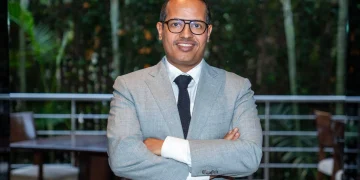
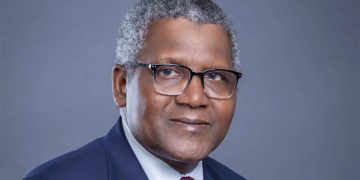
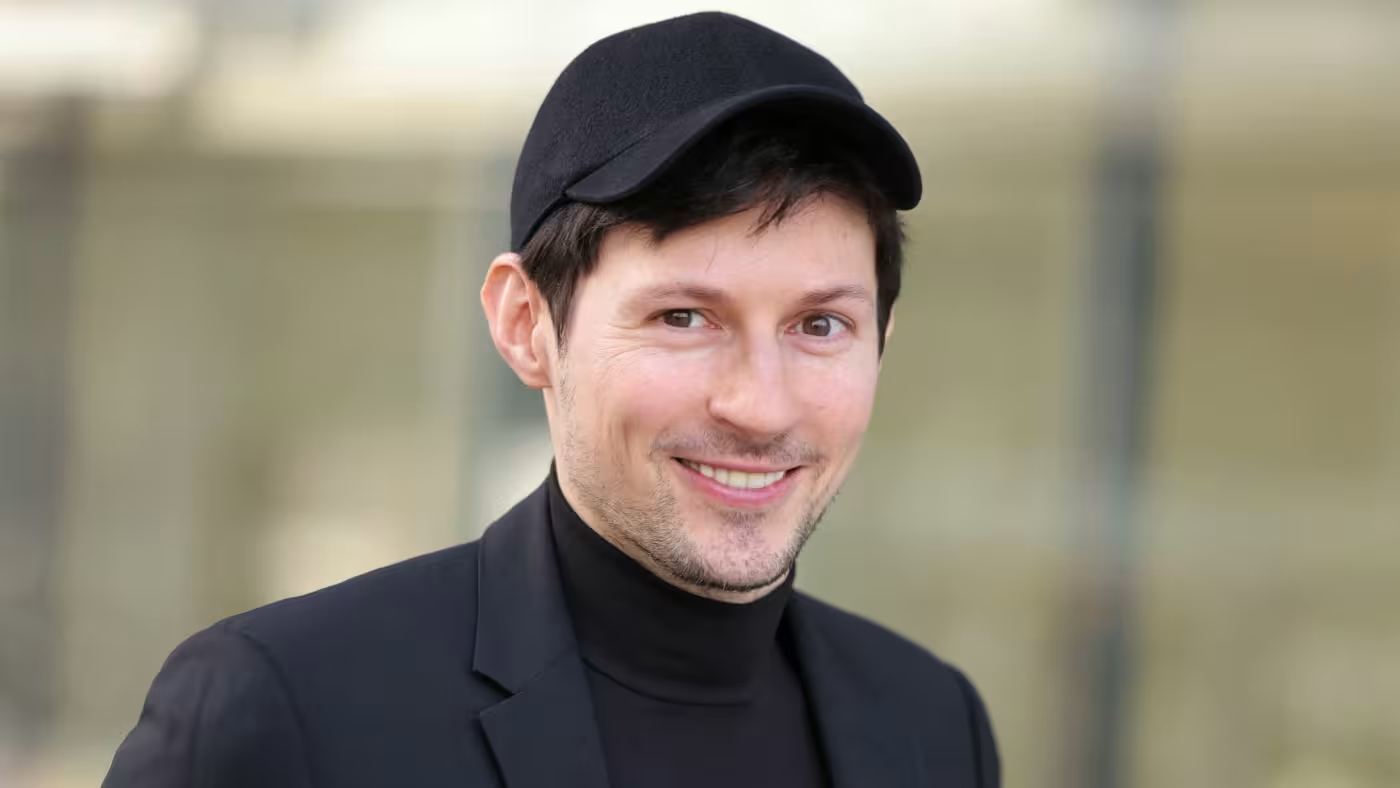
Leading the list is tech magnate Pavel Durov, whose privacy-first messaging app, Telegram, has drawn hundreds of millions of users globally. Other prominent names include retail tycoon M.A. Yusuff Ali, luxury real estate developer Hussain Sajwani, and education mogul Sunny Varkey—all of whom play a pivotal role in Dubai’s economic and social growth.
🏆 Top 10 Richest People in Dubai (2025)
| Rank | Name | Net Worth (USD) | Industry | Notable Ventures |
|---|---|---|---|---|
| 1 | Pavel Durov | $15.5 billion | Technology | Founder of Telegram |
| 2 | M.A. Yusuff Ali | $6.4 billion | Retail, Hypermarkets | Chairman of Lulu Group International |
| 3 | Hussain Sajwani | $5.1 billion | Real Estate | Founder of DAMAC Properties |
| 4 | Micky Jagtiani | $5.0 billion | Retail | Founder of Landmark Group |
| 5 | Sunny Varkey | $4.7 billion | Education | Founder of GEMS Education |
| 6 | Joy Alukkas | $4.4 billion | Jewelry Retail | Chairman of Joyalukkas Group |
| 7 | Abdulla Al Futtaim | $4.1 billion | Automotive, Retail | Owner of Al-Futtaim Group |
| 8 | Ravi Pillai | $3.9 billion | Construction, Infrastructure | Chairman of RP Group |
| 9 | Abdulla Bin Ahmad Al Ghurair | $3.9 billion | Banking, Real Estate | Founder of Mashreq Bank |
| 10 | Mohammed Khalaf Al Habtoor | $2.0 billion | Hospitality, Real Estate | Vice Chairman of Al Habtoor Group |
🌟 Notable Highlights and Impact
- Pavel Durov, the Russian-born founder of Telegram, now resides in Dubai, leveraging the city’s tech-friendly environment to scale his platform beyond 700 million users.
- M.A. Yusuff Ali, an Indian entrepreneur, operates Lulu Group International, a dominant retail and hypermarket chain across the GCC. His investments in hospitality and logistics also solidify his ranking.
- Hussain Sajwani, through DAMAC Properties, has redefined luxury real estate in Dubai with landmark projects and international partnerships, including Donald Trump-branded golf courses.
- Sunny Varkey is a global education pioneer. His organization, GEMS Education, runs over 60 schools in the UAE alone, making him a key player in shaping future generations.
- Joy Alukkas, another Indian-origin billionaire, commands one of the largest jewelry empires in the world, with hundreds of showrooms from Dubai to Delhi.
These billionaires not only drive Dubai’s economic engines but also symbolize its global appeal as a tax-friendly haven for high-net-worth individuals. With their diversified portfolios and strategic expansions, the richest people in Dubai 2025 continue to shape the emirate’s dynamic future.
Read Also: Importing Goods from Dubai to Kenya: A Complete Guide