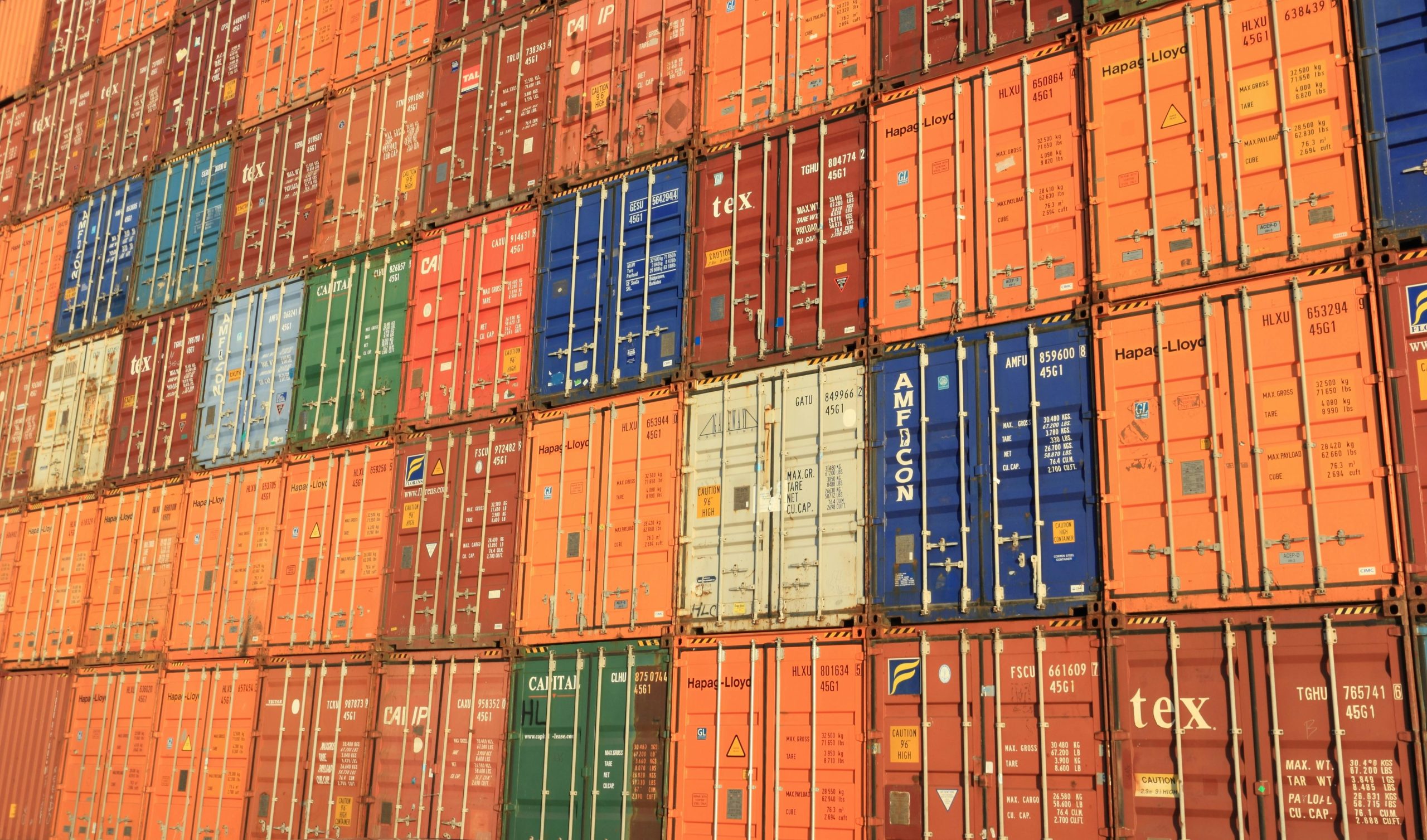
Importing goods from Dubai to Kenya presents great business opportunities, particularly in the retail sector. As a global trading hub, Dubai offers a wide variety of high-quality products at competitive prices, making it an attractive option for Kenyan importers. However, the import process involves navigating specific rules, paperwork, and logistics, which are crucial to ensuring a smooth transaction.
Understanding Import Regulations
When importing goods from Dubai to Kenya, it’s essential to follow Kenyan customs regulations to avoid delays, fines, or confiscation of goods. Familiarizing yourself with these regulations ensures a hassle-free process.
Kenya Import Requirements
To ensure your goods comply with Kenyan law, here are the essential import documents you’ll need:
- Import Declaration Form (IDF): A mandatory form issued by the Kenya Revenue Authority (KRA) for all imports.
- Commercial Invoice: This document lists the goods’ details, including quantity, unit value, and HS code.
- Certificate of Conformity (COC): Required for certain products to meet Kenya Bureau of Standards (KBS) regulations.
- Packing List: Includes shipment details like weight and packaging information.
- Bill of Lading (Sea Freight) or Airway Bill (Air Freight): Confirms shipping details for the transport of goods.
Ensuring these documents are in place helps prevent delays and additional fees.
Restricted and Prohibited Goods
Some goods are prohibited or restricted from entering Kenya. Prohibited items, such as firearms, narcotics, and counterfeit products, are outright banned, while restricted goods, including certain pharmaceuticals and used electronics, require special permits or approval.
Sourcing Products in Dubai
Dubai offers various options for sourcing goods, from manufacturers and wholesale markets to online platforms. To ensure you meet Kenya’s import standards, choosing reliable suppliers is key.
Reliable Suppliers in Dubai:
- Dubai Chamber of Commerce: Provides a directory of trusted suppliers.
- Wholesale Markets: Locations like Dragon Mart and Al-Quoz markets are ideal for bulk purchases.
- B2B Online Platforms: Websites like Alibaba help you connect with Dubai-based suppliers.
Ensure you verify supplier legitimacy by checking reviews and requesting business registration details.
Product Quality and Standards
Before importing, confirm the product quality to meet both UAE export standards and Kenya’s import regulations. For regulated goods, a Certificate of Conformity (COC) is mandatory. Always request product samples to verify quality before placing large orders.
Documentation and Compliance
Proper documentation ensures smooth customs clearance. Missing or incorrect documents can cause delays, fines, or shipment rejection. Here’s a list of key documents:
- Import Declaration Form (IDF) – Mandatory for all imports (Kenya Revenue Authority).
- Commercial Invoice – Lists product details (Supplier/Exporter).
- Certificate of Conformity (CoC) – Ensures products meet Kenyan quality standards (PVoC Agent).
- Bill of Lading / Airway Bill – Confirms shipment details (Shipping Line / Airline).
- Certificate of Origin – Verifies manufacturing country (Dubai Chamber of Commerce).
Shipping and Logistics
Choosing the right shipping method is crucial for timely delivery and cost management.
- Air Freight is ideal for high-value or time-sensitive shipments (2-3 days).
- Sea Freight is more economical for bulk, non-perishable goods (7-10 days).
Selecting a Freight Forwarder
A reliable freight forwarder helps manage logistics, documentation, and customs clearance. Choose a forwarder with experience handling shipments between Dubai and Kenya. Popular freight companies include MegaSpeed Cargo and Salihiya Cargo.
Customs Clearance in Kenya
After shipping, goods must clear customs in Kenya. Here’s how to navigate the clearance process:
- Hire a Licensed Clearing Agent: They help with documentation, tax calculations, and customs declarations.
- Pay Duties and Taxes: Import duty varies based on the product category, with rates of 0%, 10%, or 25%. Other charges include VAT (16%) and the Import Declaration Fee (IDF).
- Inspection and Verification: Customs officials inspect goods to ensure they match the declared contents and meet KEBS standards.
Best Practices for a Smooth Import Process
To minimize risk, reduce delays, and cut costs, follow these best practices:
- Pre-shipment Inspection: Verify that goods meet Kenyan standards and get a COC if required.
- Timely Documentation: Prepare and submit all documents before shipment to avoid customs issues.
- Choose the Right Shipping Method: Air freight for urgent, high-value goods and sea freight for bulk shipments.
- Insurance: Insure your shipment to protect against damage or theft during transit.
- Stay Updated on Rules: Monitor changes in import regulations, taxes, and restricted goods.
Conclusion
Importing goods from Dubai to Kenya is a lucrative opportunity if done correctly. By understanding Kenyan import regulations, ensuring proper documentation, and selecting the right shipping method, you can streamline the process and reduce costs. Keep updated on any changes in regulations and work with reliable suppliers and freight forwarders to ensure a smooth import experience.