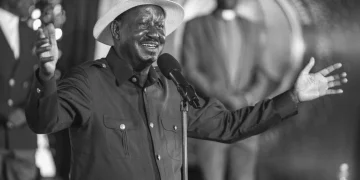
Kenya, Africa, and the world have come to a standstill in mourning. Raila Odinga, Kenya’s former Prime Minister, political titan, and the face of Kenya’s fight for democracy, has passed away. The 80-year-old statesman died on Wednesday, October 15, 2025, in India, where he had been receiving treatment. The news has sent shockwaves across the globe, leaving an irreplaceable void in the political sphere.
A Life Defined by Struggle and Triumph
Raila Odinga was not just a political leader; he was a symbol of resilience, perseverance, and unwavering dedication to the cause of the people. From his early years of political activism to his rise as a significant political figure in Kenya, Raila’s life was defined by one battle after another — not just for himself but for the country and its people.
Reports indicate that Raila collapsed during a morning walk and, after being rushed to the hospital, suffered a cardiac arrest that ultimately led to his passing. His death has plunged Kenya into grief, with both local and international leaders honoring his contributions and legacy.
A Fighter for Democracy
Raila Odinga’s political career spanned decades, with him at the forefront of Kenya’s fight for democratic reforms. His advocacy for multiparty politics in the 1990s, his relentless push for a new constitution, and his work in pushing for devolution and human rights shaped the political landscape of not just Kenya but the entire African continent.
Perhaps most notably, Raila was a key figure in the formation of the 2010 Constitution of Kenya. This constitution, which laid the foundation for the devolution of power to 47 counties, is one of his crowning achievements. His work on electoral reforms, judicial independence, and human rights cannot be overstated.
A Five-Time Presidential Aspirant
Despite never winning the presidency, Raila Odinga ran for the office five times, with each attempt symbolizing his unwavering commitment to what he believed was his destiny to lead the country. His first attempt in 1997 was followed by numerous others, each marked by controversy, political challenges, and often allegations of electoral malpractice.
However, Raila’s efforts were not in vain. He helped push for a more democratic process in Kenya, forcing reforms that changed the country’s electoral landscape. His loss in the 2007 election led to one of the darkest chapters in Kenya’s history, with violence erupting across the country. But Raila’s willingness to sign a peace agreement brokered by former UN Secretary-General Kofi Annan helped avert a larger crisis and established the Grand Coalition Government, with Raila as the Prime Minister.
Raila’s Role in the African Union and Beyond
Raila’s political influence was not limited to Kenya. In February 2025, he made a strong bid for the African Union Commission (AUC) Chairmanship, a testament to his standing as a Pan-African leader. Though unsuccessful, his candidacy reflected his continued relevance on the continent and his desire to contribute to the advancement of Africa as a whole.
A Unifier in Grief
In a statement made on Wednesday, President William Ruto declared a seven-day national mourning period, with the Kenyan flag flying at half-mast in honor of Raila’s passing. “We have lost one of Africa’s greatest leaders, a giant of democracy, a fearless fighter, and a tireless warrior of good governance,” President Ruto said. This proclamation underscores Raila’s significance, not only to Kenya but also to the broader African political sphere.
Raila’s Legacy
Raila Odinga’s legacy will be etched in Kenya’s history for generations to come. He fought tirelessly for the rights of the marginalized, for electoral fairness, for devolution, and for a just and democratic nation. He may not have become president, but his influence on the country’s path towards political maturity and fairness cannot be overstated.
As Kenya, Africa, and the world mourn, Raila’s legacy will continue to inspire future generations of leaders and activists. His dedication to the people of Kenya was unwavering, and his contribution to democracy and governance remains unparalleled.
Rest in peace, Baba.