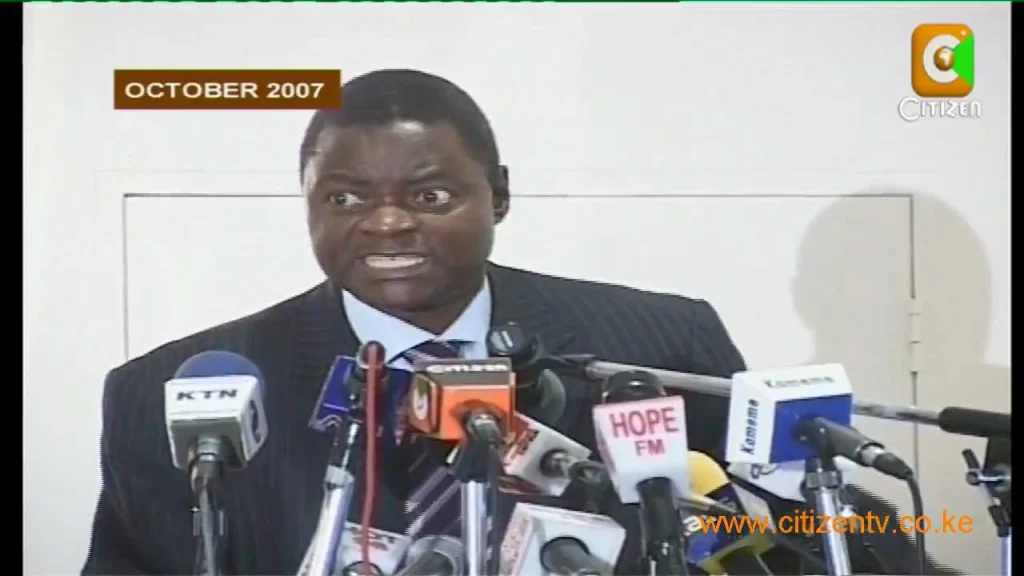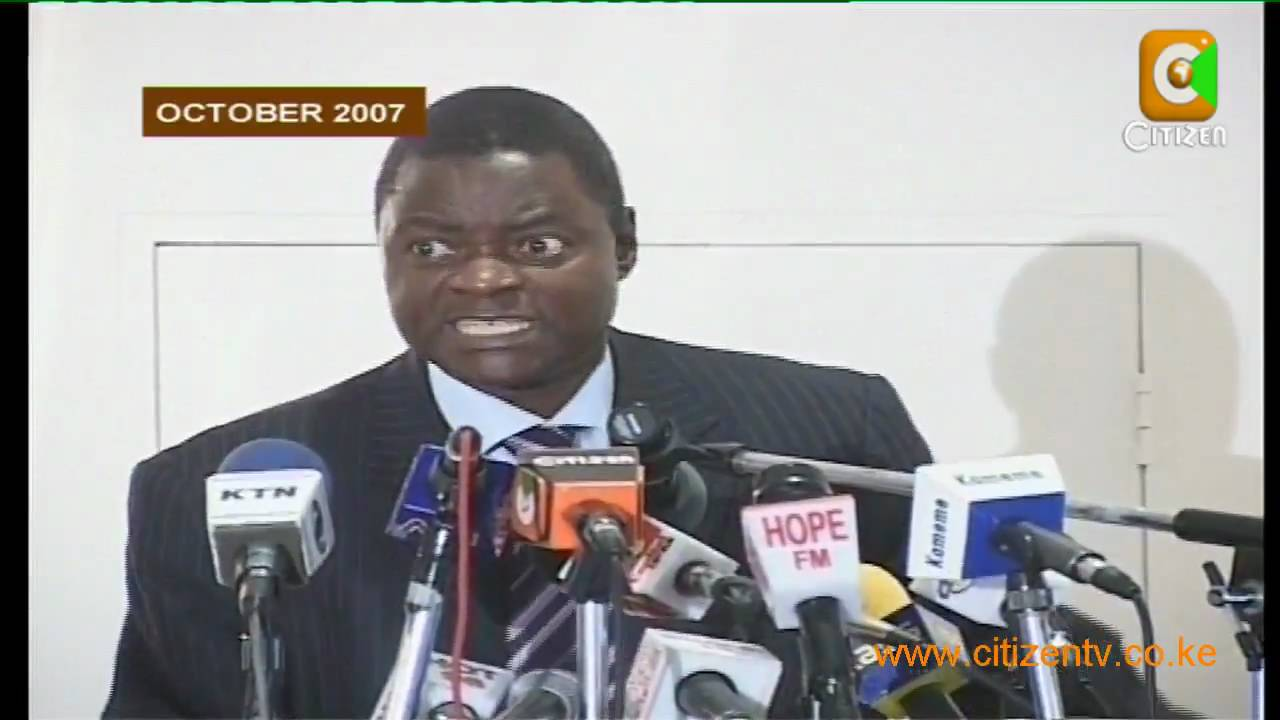
Newton Wanjala Kulundu built a complex public record that continues to define the Newton Kulundu legacy, shaped by his roles in government, his reform agenda, and his confrontational leadership style. A trained medical doctor who transitioned into politics, Kulundu served in key ministerial positions where he pursued policy changes that often carried significant political risk.
His tenure in public service coincided with a period of institutional reform in Kenya, particularly in environmental management and labour relations.
Newton Kulundu legacy shaped in environment ministry
The Newton Kulundu legacy is closely tied to his time in the environment ministry, where he worked alongside Wangari Muta Maathai. Their collaboration was marked by frequent disagreements over conservation policy.
Maathai advocated strict environmental protection measures, including limiting human activity in forest areas. In contrast, Kulundu balanced conservation goals with political considerations, particularly the interests of farming communities.
Despite these differences, the two leaders implemented reforms aimed at addressing corruption and environmental degradation. These included the dismissal of forest officers, destruction of illegal plantations, and enforcement actions against misuse of forest land.
Controversial policy decisions
A defining moment in the Newton Kulundu legacy was the decision to ban the ‘shamba system’, a practice that allowed cultivation within forest areas. The policy was intended to protect forest ecosystems but had immediate economic consequences for local communities.
Kulundu supported the move despite its political cost, particularly among his constituents. The decision highlighted his willingness to prioritise long-term policy objectives over short-term political gain.
National pride and conservation efforts
Kulundu’s leadership also emphasized national capacity in conservation. During the 2005 elephant translocation exercise, he supported a locally driven approach, aiming to demonstrate Kenya’s ability to execute complex wildlife management projects without external assistance.
This stance reflected a broader theme in the Newton Kulundu legacy, where national sovereignty and self-reliance were central to his policy outlook.
Diplomatic tensions and public disputes
The Newton Kulundu legacy was also marked by strained relations with international stakeholders. He had a public disagreement with Richard Leakey, accusing him of exerting undue influence.
In addition, Kulundu openly criticised Western governments, including the United States and the United Kingdom, over human rights issues. The remarks led to a diplomatic incident involving Michael Ranneberger, who publicly declined to shake his hand.
These episodes contributed to his reputation as a difficult figure in diplomatic circles.
Labour ministry reforms
Later in his career, Kulundu served in the labour ministry, where he focused on institutional reforms. He revitalised the Tom Mboya Labour College and engaged with trade unions to address worker concerns.
His approach earned him support among labour groups, who viewed him as aligned with workers’ interests.
Political choices and final years
The Newton Kulundu legacy also reflects his political independence. During the shifting political landscape ahead of the 2007 elections, he remained loyal to the National Rainbow Coalition (NARC) despite the growing popularity of rival movements.
This decision contributed to his electoral loss, underscoring the risks associated with his principled stance.
Kulundu died in 2010, leaving behind a record that combined reform efforts with political controversy.
Outlook and historical perspective
The Newton Kulundu legacy continues to generate debate in Kenya’s political and policy circles. His tenure illustrates the challenges of balancing environmental protection, political realities, and international relations.
While his methods were often divisive, his contributions to institutional reform and conservation policy remain part of Kenya’s governance history.