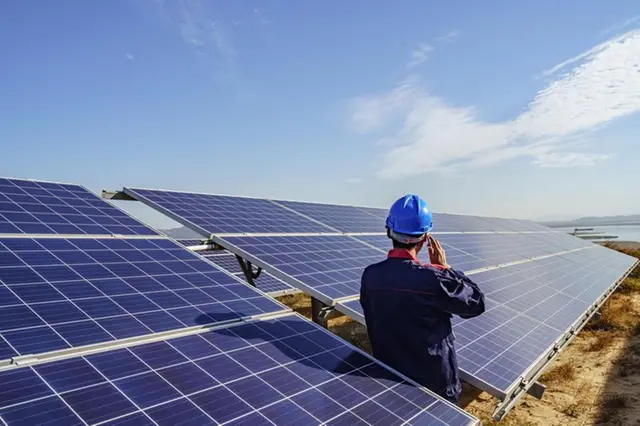
Morocco’s Noor Atlas solar programme has officially moved into construction, marking another step in the country’s long-running renewable energy strategy. The 305MW Noor Atlas solar scheme, backed by international lenders and local institutions, will add six photovoltaic plants across multiple provinces.
With Power Purchase Agreements now signed between the National Office of Electricity and Drinking Water and the Moroccan Agency for Sustainable Energy, the project shifts from planning to delivery. Construction has begun, and electricity generation is expected to start in July 2027.
Noor Atlas Solar Expands Morocco’s Energy Footprint
The Noor Atlas solar programme includes six PV plants located in Ain Béni Mathar, Boudnib, Bouanane, Enjil, Tata and Tan-Tan. By distributing capacity geographically, Morocco strengthens grid resilience and diversifies regional power supply.
Moreover, the 305MW addition supports Morocco’s ambition to raise the share of renewables in its energy mix. Over the past decade, the country has positioned itself as a continental leader in solar power, particularly through the Noor Ouarzazate complex.
Unlike earlier concentrated solar projects, Noor Atlas solar focuses on photovoltaic technology. PV systems allow faster deployment and lower capital intensity compared to large-scale solar thermal installations.
Financing Structure and International Backing
The Noor Atlas solar scheme combines concessional and commercial financing. Germany’s KfW and the European Investment Bank are providing concessional loans, while Bank of Africa supplies local commercial funding.
This blended finance structure reduces capital costs and improves bankability. Additionally, European participation reflects continued climate finance flows into North Africa.
In recent years, the European Investment Bank has also financed grid expansion in Morocco. A €300 million package supported transmission upgrades and evacuation capacity increases. These investments ensure that new renewable generation connects effectively to the national grid.
Dedicated Implementation Vehicle
To streamline execution, MASEN established Noor Atlas Energy Company as a dedicated subsidiary. This model centralizes oversight and reduces administrative delays.
Consortiums comprising Moroccan and European companies will handle construction and operation. Therefore, the project balances local capacity building with international technical expertise.
Regional Energy Strategy and African Implications
Morocco lacks significant fossil fuel reserves. Consequently, renewable energy reduces import dependency and strengthens energy security.
The Noor Atlas solar project also supports Morocco’s longer-term ambition to export green electricity and potentially green hydrogen to Europe. As cross-Mediterranean interconnections deepen, surplus renewable capacity could become an economic asset.
For other African nations, Morocco offers a template. Blended financing, sovereign-backed PPAs and grid upgrades create an enabling environment for renewable deployment.
Countries such as Kenya, Egypt and South Africa pursue similar renewable expansion strategies. However, financing access and grid integration remain critical constraints across the continent.
Market Context and Renewable Momentum
Globally, renewable investment continues to rise despite geopolitical tension in fossil fuel markets. While oil and gas prices fluctuate, solar projects benefit from declining technology costs and long-term power contracts.
The Noor Atlas solar scheme, valued at approximately €272 million in earlier estimates, demonstrates how climate-linked infrastructure maintains momentum even during global volatility.
Moreover, as European institutions seek stable green investment destinations, North Africa remains attractive due to geographic proximity and regulatory clarity.
Why This Matters
The Noor Atlas solar programme strengthens Morocco’s renewable leadership in Africa. It enhances grid stability, supports energy independence and reinforces climate commitments.
For investors, the project highlights the durability of structured renewable deals backed by development banks.
What Happens Next
Construction will progress across the six sites, with phased commissioning expected before full delivery in 2027. Grid upgrades must proceed in parallel to ensure smooth integration.
If implementation remains on schedule, Noor Atlas solar could further position Morocco as a renewable export hub in the Mediterranean region.