Deep in the Chebunyo Ward of Chepalungu Sub-County, the Nogirwet Irrigation Scheme stands as a beacon of modern, community-driven agriculture. What began as a modest effort to overcome the challenges of low and erratic rainfall has transformed into a thriving agricultural hub that showcases the potential of sustainable irrigation farming in rural Kenya. The scheme not only supports local livelihoods but also offers visitors an inspiring glimpse into how innovation and teamwork can breathe new life into traditional farming landscapes.
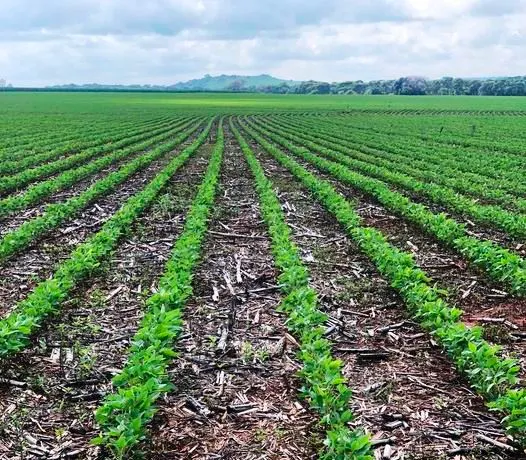
Established in 2006 through the collaboration of the Nogirwet Water Users Association, European Union, Bomet County Council, and the Chepalungu Constituency Development Fund (CDF), the irrigation scheme was designed to unlock the agricultural potential of the semi-arid Chepalungu region. Here, water is delivered by gravity-fed channels, allowing farmers to cultivate a wide variety of high-value crops in an area that would otherwise struggle to sustain agriculture. By 2010, the first phase of the 450-hectare project had been completed, bringing together farmers from Kapcheogete, Kapkulumben, Kabisoge, Tuiyobei, Kosia, and Kamogoi villages.
Today, about 80 hectares are under active irrigation, supporting over 80 farmers who cultivate a blend of commercial and subsistence crops. The star of Nogirwet’s farms is the tissue culture banana, a resilient and high-yielding variety that thrives under controlled irrigation. Other crops grown include tomatoes, cabbages, watermelons, and French beans, forming a diverse horticultural belt that supplies local markets and contributes to regional food security.
The Nogirwet Irrigation Scheme also offers visitors a chance to immerse themselves in rural life and witness firsthand the rhythm of sustainable farming. It’s a place where travelers can interact with local farmers, learn about modern irrigation techniques, and even take part in activities such as fruit picking, vegetable harvesting, and soil preparation. The experience fosters a deep appreciation for the connection between farmers and consumers and highlights the critical role of agriculture in Kenya’s economy.
Beyond its economic significance, the scheme serves as a model for climate adaptation and resilience, demonstrating how smallholder farmers can leverage collective action and technology to combat water scarcity. Its success has also inspired similar projects across the South Rift, contributing to Kenya’s broader vision of achieving food security and sustainable development.
From Narok town, the Nogirwet Irrigation Scheme lies 81 kilometers away, about 8 kilometers past the Kipsigis Oasis Sanctuary. The route via the B3 Kaplong–Narok–Bomet Road up to Mulot (60 km) is smooth, but the final 28-kilometer stretch is an all-weather dirt road best tackled with a 4×4 vehicle. The journey, though rugged, rewards travelers with sweeping views of farmlands and a chance to experience the resilience and warmth of the Chepalungu farming community.