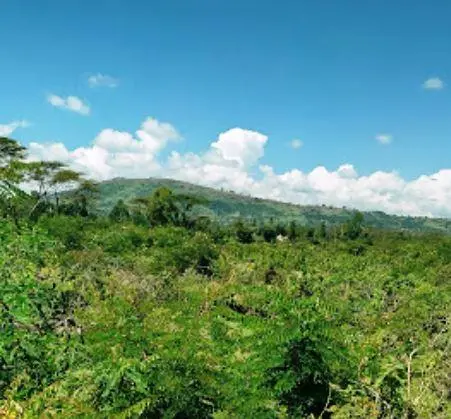
Deep in the heart of Bomet County, the Chepalungu Forest stands as a living testament to both destruction and redemption — a landscape once scarred by human activity but now steadily reclaiming its lost grandeur. Nestled within the Chepalungu Hills, this forest forms part of the vast Mau Forest Complex, Kenya’s largest closed-canopy forest system and one of East Africa’s most vital water catchments. It plays a critical role in replenishing the Mara River, which flows into the world-renowned Maasai Mara National Reserve, while serving as a refuge for wildlife and a source of spiritual connection for the Kipsigis community.
Once devastated during the post-election unrest of 2007, Chepalungu Forest lost vast tracts of indigenous vegetation to deforestation and illegal logging. But out of this devastation grew a renewed spirit of environmental stewardship. The local community, having witnessed firsthand the ecological and cultural consequences of forest loss, embarked on a massive reforestation and restoration campaign. In partnership with government agencies, NGOs, and conservation groups, locals have replanted thousands of trees across more than 100 hectares, symbolizing a heartfelt “return to innocence.”
The forest’s recovery has been nothing short of inspiring. Comprising 4,871 hectares divided into two main blocks — Siongiroi (871 hectares) and Kapchumbe (4,000 hectares) — Chepalungu Forest remains home to a variety of indigenous trees such as African wild olive, cedar, red stinkwood, and Nandi flame. Its undergrowth shelters a diversity of wildlife, including antelope, monkeys, small mammals, and numerous bird species. Beyond biodiversity, the forest serves as a natural pharmacy for traditional herbalists and as a sacred site where the Kipsigis people perform age-old rituals tied to fertility, rainfall, and ancestral honor.
Community-driven initiatives continue to anchor Chepalungu’s conservation journey. Programs focusing on environmental education, tree nurseries, and sustainable forest management have been integrated into local schools and community groups. These efforts not only restore the forest canopy but also provide economic opportunities for nearby residents through eco-tourism, beekeeping, and sustainable harvesting of non-timber forest products.
Today, Chepalungu Forest offers visitors a chance to reconnect with nature in a serene, verdant environment. The forest’s network of nature trails, birding paths, and picnic sites makes it a perfect destination for hikers, naturalists, and eco-tourists seeking tranquility. From Bomet town, it lies just 31 kilometres away — a journey that meanders through scenic highlands before leading into the forest’s cool, rejuvenating embrace.
The story of Chepalungu Forest is ultimately one of rebirth. It reflects Kenya’s broader struggle — and triumph — in balancing development with conservation. Through community resilience and respect for nature’s rhythm, Chepalungu has transformed from a scene of loss into a beacon of renewal, proving that with collective will, even the most damaged ecosystems can heal and thrive again.