In the serene village of Kapkimolwo near the Narok–Bomet border, the Kaplelach Cultural Centre stands as a proud emblem of the Kipsigis community’s cultural identity. Beyond being a repository of tradition, it is a living shrine where dance, history, and oral storytelling come together to preserve and celebrate one of Kenya’s most vibrant cultures. This center, named after the legendary Kaplelach age-set, bridges generations — connecting the modern-day Kipsigis to their ancestral roots.
At the heart of the cultural centre is the Kaplelach dance troupe, whose electrifying performances have graced national and international stages, earning global admiration for their rhythmic artistry and deep cultural symbolism. These traditional dances, accompanied by drums, flutes, and string instruments like the lesos (lyre), narrate centuries-old tales of bravery, love, and unity among the Kipsigis. The performances aren’t just entertainment — they’re oral history in motion, embodying the spirit and pride of a people bound by shared ancestry and values.
The name Kaplelach carries historical weight, tracing back to the fearless age-set born between 1844 and 1860, known for their valiant resistance against colonial incursion. This generation’s courage inspired the following age-set, Kipnyigei (1860–1876), whose warriors later joined forces with the legendary Koitalel arap Samoei in the Nandi resistance against British rule. Their resistance shaped the region’s anti-colonial narrative and remains an enduring symbol of defiance and unity among the Kalenjin sub-tribes.
Today, Kaplelach Cultural Centre serves as an educational hub where visitors can learn about Kipsigis cosmology, initiation rituals, and traditional governance systems. It offers guided tours, storytelling sessions, and cultural exhibitions that illustrate the Kipsigis’ reverence for Asis, the sun deity, and the sacred connection between humans and nature. The center also promotes cultural exchange, encouraging dialogue between communities and showcasing Bomet’s commitment to preserving its multi-ethnic harmony.
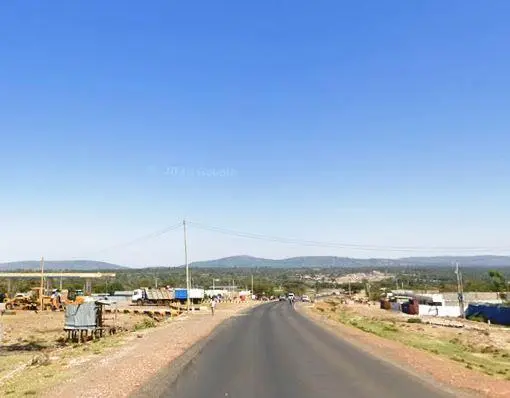
A visit to the centre also reveals its geographical allure — a tranquil landscape of rolling fields, grazing livestock, and fresh mountain air. Located just 8 km from Mulot town and 68 km from Narok, the journey via the B3 Kaplong–Narok–Bomet Road is smooth and scenic, with paved roads leading right to the site near St. Benedict Kapkimolwo Secondary School. Whether you come for the history, the dance, or the atmosphere, the experience leaves visitors deeply connected to Kenya’s cultural soul.
Through its activities and exhibitions, the Kaplelach Cultural Centre continues to play an indispensable role in protecting and promoting indigenous knowledge systems in an increasingly globalized world. It reminds visitors that culture is not merely a reflection of the past, but a living, breathing force that continues to define the present and inspire the future.