Tucked away in Sigor Ward of Chepalungu Sub-County, the Chebara Irrigation Scheme is a story of quiet determination, community spirit, and steady agricultural progress. What began as a modest effort by a small group of farmers has evolved into one of Bomet County’s most promising irrigation initiatives. Despite its humble beginnings, Chebara now stands as a model of how grassroots innovation, combined with government support, can transform rural farming and improve livelihoods in Kenya’s semi-arid regions.
The scheme traces its roots back to 2000, when local farmers in Chebara relied on a simple hydra pump system to draw water into a satellite tank. At that time, the project covered only two acres and served just ten farmers — a small but significant step toward water security in a region frequently affected by erratic rainfall. Recognizing its potential, the National Irrigation Board (NIB) stepped in during 2011, funding an ambitious upgrade to a gravity-fed irrigation system aimed at covering 350 hectares.
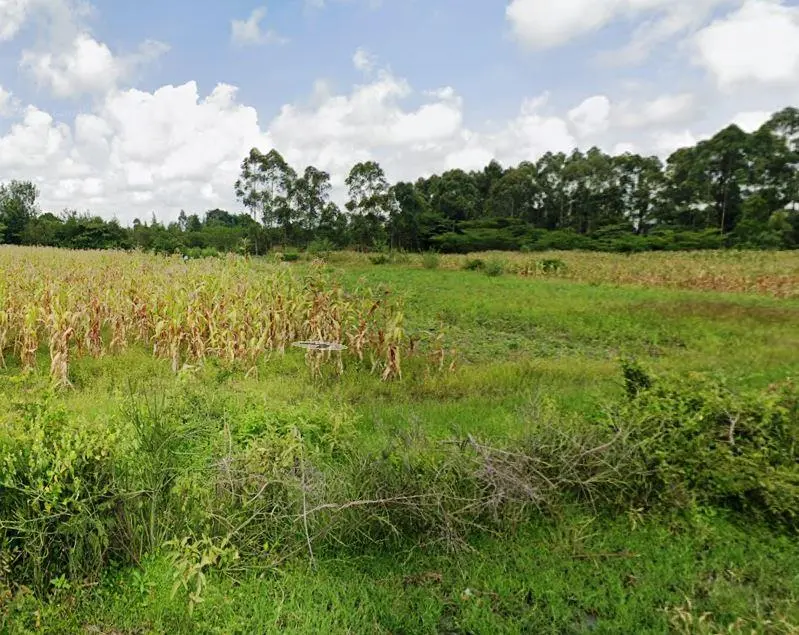
By February 2016, the modernized Chebara Irrigation Scheme became operational, marking a turning point for local agriculture. Today, it benefits farmers in Tebeswet, Tumoi, Chebaraa, and Kinyogi villages, who now cultivate both commercial and subsistence crops. The main crops grown include tomatoes, cabbages, maize, onions, bananas, and fruit trees — staples that sustain local households and generate income through local markets. While the scheme currently irrigates 72 hectares (20.57% of its target 875 acres) and has 72 active farmers out of a projected 850, it continues to expand steadily as more farmers embrace irrigation-based farming.
The project’s success lies not only in improved yields but also in its ability to foster community resilience. By ensuring a reliable water supply, the Chebara Irrigation Scheme has reduced dependence on unpredictable rainfall and promoted year-round cultivation. Farmers have been trained in sustainable water management and crop diversification, helping them maximize productivity while conserving the environment.
For visitors and agricultural enthusiasts, the scheme offers valuable insights into smallholder irrigation models that combine local initiative with technical support. It demonstrates how small-scale rural communities can adopt modern agricultural practices while maintaining traditional farming values. The fields, often lush with green crops amid Bomet’s rolling terrain, paint a picture of hope and innovation — a testament to the power of persistence and collaboration.
As Kenya continues to invest in irrigation as a cornerstone of food security and economic growth, success stories like Chebara remind us that even the most modest beginnings can lead to transformative outcomes. With sustained support and community involvement, Chebara Irrigation Scheme is poised to grow from a local farming initiative into a regional model for sustainable agriculture.