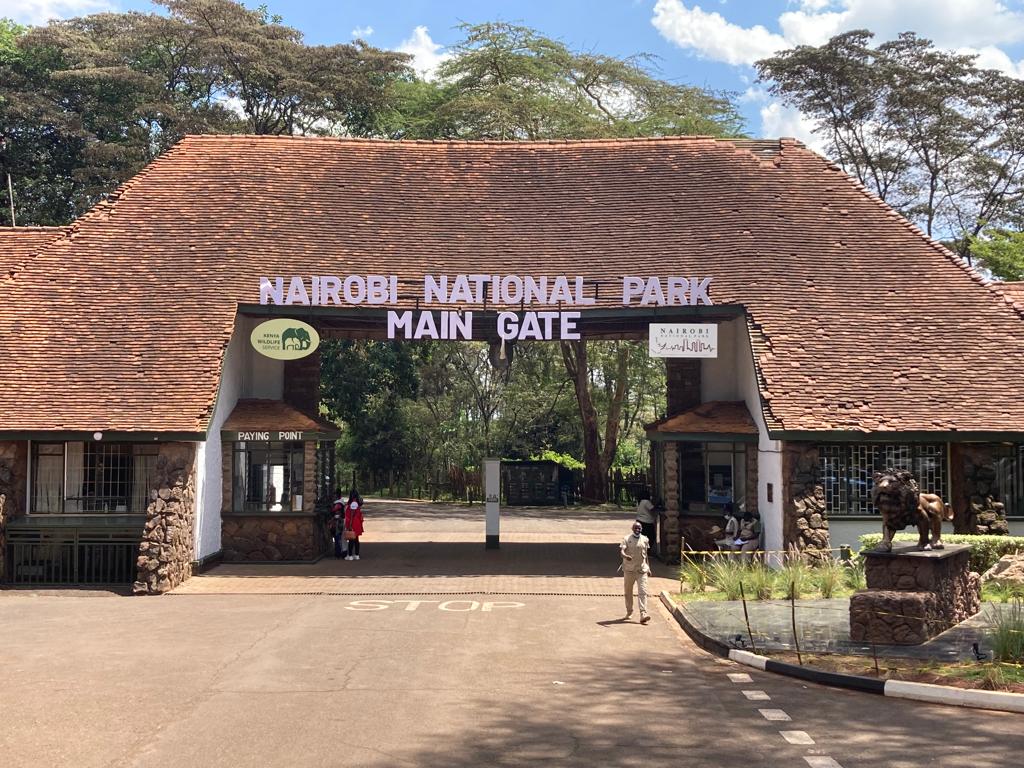
Nairobi National Park occupies a place unlike any other protected area in the world. Situated just a short distance from the heart of Kenya’s capital, the park presents an extraordinary meeting point between modern urban life and untamed wilderness. Skyscrapers, highways, and residential neighborhoods rise just beyond its boundaries, yet within the park, wildlife moves according to ancient rhythms shaped by seasons, water, and open plains. This striking contrast defines the park’s identity and has made it one of the most studied and visited conservation areas in Africa.
The park was established at a moment when Nairobi was transforming from a colonial railway outpost into a growing city. Rather than allowing unchecked expansion to erase wildlife habitats entirely, conservation advocates pushed for protection of the remaining plains. As a result, Nairobi National Park became Kenya’s first national park and a foundation for the country’s modern conservation system. Its continued existence reflects a long-standing national commitment to preserving biodiversity even in the face of rapid development.
What sets Nairobi National Park apart is not only its location but also its ecological resilience. Despite its relatively modest size, the park supports a wide variety of mammals, birds, and plant species. Seasonal migrations still occur through its unfenced southern boundary, allowing wildlife to move between the park and surrounding plains. During dry periods, animals return to the park’s reliable water sources, creating dense concentrations of wildlife rarely found so close to a major city.
For visitors, Nairobi National Park offers an experience that blends accessibility with authenticity. It allows travelers, students, researchers, and residents to encounter iconic African wildlife without undertaking long journeys to remote reserves. At the same time, the park functions as a living classroom and a conservation laboratory, illustrating both the successes and challenges of protecting wildlife in a human-dominated landscape.
Historical Development of Nairobi National Park
The land that now forms Nairobi National Park once belonged to expansive plains that stretched across much of southern Kenya. In the late nineteenth century, these plains supported large populations of wildlife and were used seasonally by pastoral communities. As colonial settlement expanded and Nairobi began to grow, interactions between people and wildlife increased, often leading to conflict and loss of habitat.
By the early twentieth century, wildlife populations around Nairobi had begun to decline due to farming, livestock grazing, and unregulated land use. Concerned conservationists recognized that without intervention, many species would disappear from the region altogether. This realization led to the designation of a protected area, initially managed as a game reserve before being formally declared a national park.
When Nairobi National Park officially opened, it marked a turning point in Kenya’s environmental policy. It was the first national park in the country and served as a model for later protected areas. Its establishment also reshaped local land use, displacing some communities while laying the groundwork for tourism and conservation-based livelihoods.
Over time, the park became closely associated with Kenya’s global conservation image. One of the most symbolic moments occurred when confiscated ivory was destroyed within the park to demonstrate opposition to illegal wildlife trade. That event strengthened international recognition of Kenya’s stance on conservation and reinforced the park’s role as a national landmark.
Geography and Landscape of Nairobi National Park
Nairobi National Park covers just over one hundred square kilometers, making it relatively small compared to many African reserves. However, its geographical diversity gives it ecological depth far beyond its size. The park lies within the larger Athi-Kapiti ecosystem, which historically supported vast wildlife migrations across southern Kenya.
The park’s landscape is shaped by gently rolling grasslands, scattered acacia trees, river valleys, and rocky outcrops. Elevation changes across the park create varied microclimates, supporting different plant communities and animal species. Permanent rivers and seasonal streams provide essential water sources that attract wildlife throughout the year.
Three sides of the park are fenced to separate wildlife from the surrounding city, while the southern boundary remains open. This open boundary is critical for migration, allowing animals to move between the park and the adjacent plains during wetter months. The balance between fenced protection and open movement remains one of the park’s defining features.
Plant Life and Vegetation Zones in Nairobi National Park
Vegetation within Nairobi National Park reflects the transitional nature of the landscape. Open grass plains dominate much of the area and provide grazing grounds for herbivores. These grasslands are interspersed with acacia species that offer shade and browsing opportunities for giraffes and antelope.
In the western sections of the park, higher ground supports dry forest vegetation. Tree species adapted to drier conditions form wooded areas that contrast with the open plains below. Riverine forests line permanent watercourses, creating green corridors that remain lush even during dry seasons.
Rocky hillsides and valleys host plant species that are locally distinctive and rarely found elsewhere. These plants contribute to the park’s botanical value and support specialized insect and bird populations. Together, these vegetation zones sustain the complex food webs that make Nairobi National Park ecologically stable.
Mammal Diversity in Nairobi National Park
Nairobi National Park is widely recognized for its impressive mammal diversity. Large herbivores such as buffalo, zebra, wildebeest, and various antelope species form the backbone of the ecosystem. These animals move seasonally, responding to rainfall patterns and grazing availability.
Predators play a vital role in maintaining ecological balance. Lions, leopards, cheetahs, and hyenas hunt within the park, shaping herbivore behavior and population dynamics. Their presence so close to an urban center highlights the effectiveness of long-term protection and monitoring.
Rhinoceroses hold particular significance within Nairobi National Park. The park functions as one of Kenya’s most successful rhino sanctuaries, offering strong protection and favorable habitat conditions. For many visitors, sightings of black and white rhinoceroses are among the most memorable aspects of a visit.
Seasonal Wildlife Movements and Migration Corridors
Wildlife movement is central to the ecological functioning of Nairobi National Park. During wet seasons, herbivores disperse into surrounding plains to access fresh grazing areas. As conditions dry, animals return to the park, where water remains available.
The unfenced southern boundary allows these movements to continue, although increasing development threatens traditional routes. Conservation efforts increasingly focus on protecting migration corridors beyond the park itself, recognizing that long-term wildlife survival depends on landscape connectivity.
During dry seasons, wildlife concentrations within Nairobi National Park increase significantly. This creates excellent viewing opportunities while also placing pressure on habitats, highlighting the importance of sustainable management.
Birdlife and Aquatic Habitats in Nairobi National Park
Bird diversity is one of the park’s lesser-known strengths. Hundreds of bird species have been recorded, including both resident and migratory birds. Grasslands, forests, wetlands, and dams provide varied habitats that support this diversity.
Artificial and natural water bodies attract water-dependent species and create habitats for aquatic life. These areas become especially important during dry periods, when water is scarce outside the park. For bird enthusiasts, Nairobi National Park offers exceptional opportunities close to the city.
Nairobi National Park as a Conservation and Education Hub
Beyond tourism, Nairobi National Park plays a central role in conservation education. Facilities near the park support wildlife rehabilitation, environmental learning, and research. Orphaned and injured animals from across the country receive care before being released into protected areas.
Educational programs introduce students and local communities to conservation principles and wildlife biology. These initiatives help foster understanding of the park’s value and encourage coexistence between people and wildlife.
Conservation Challenges Facing Nairobi National Park
Urban expansion presents ongoing challenges for Nairobi National Park. Population growth around the park increases pressure on land, water resources, and wildlife corridors. Human-wildlife conflict remains a concern where livestock and settlements border protected areas.
Pollution from surrounding urban and industrial activities can affect water quality and habitats within the park. Addressing these threats requires cooperation between conservation authorities, local communities, and government agencies.
Changing land ownership patterns in adjacent plains also threaten migration routes. Conservation strategies increasingly emphasize community partnerships and benefit-sharing to ensure long-term protection.
Tourism Experience at Nairobi National Park
Nairobi National Park is a major attraction for visitors seeking wildlife experiences within easy reach of the city. Game drives, guided walks, birdwatching, and educational tours offer varied ways to explore the park.
Landmarks within the park highlight Kenya’s conservation history, while picnic sites and observation points provide scenic spaces for visitors. The park’s accessibility makes it popular for school trips, short visits, and first-time safari experiences.
Entry Fees and Charges at Nairobi National Park
Entry to Nairobi National Park is charged per person per day, with rates varying by visitor category and season. Fees differ for residents, citizens, and non-residents, as well as for adults and children.
Vehicle entry fees apply separately based on vehicle size. Student rates are available under specific conditions for educational visits. All payments are conducted through cashless systems, and visitors must carry valid identification.
These fees support park management, conservation programs, and infrastructure maintenance, ensuring that Nairobi National Park remains protected for future generations.
Access Points and Getting to Nairobi National Park
Nairobi National Park is accessible through several main gates, each serving different routes within the city. These access points make the park convenient for visitors arriving from central Nairobi, residential areas, or the international airport.
Clear signage and established roads guide visitors to entry points, and guided tours often include transport arrangements. The ease of access enhances the park’s appeal as both a local and international destination.