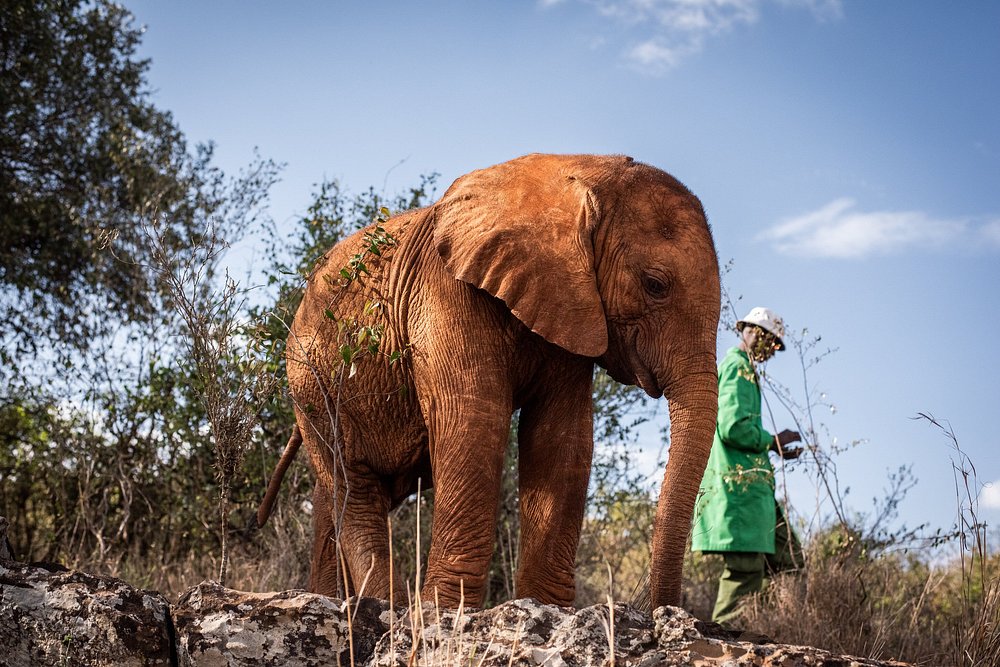
The Sheldrick Wildlife Trust is globally recognized as one of Africa’s most effective and respected wildlife conservation organizations. Based in Kenya, the Trust is best known for its pioneering Orphans’ Project, which focuses on rescuing, rehabilitating, and ultimately reintegrating orphaned elephants and rhinos back into protected wilderness areas. This work has become a benchmark for ethical, science-based wildlife conservation.
Founded in 1977 by Dame Daphne Sheldrick, the organization was built on decades of hands-on experience with wildlife and deep understanding of animal behavior. At a time when elephant poaching and habitat loss were escalating, the Trust developed a long-term approach that went beyond rescue. Its philosophy recognizes that young elephants require years of emotional support, specialized nutrition, and gradual reintroduction to wild herds in order to survive and thrive.
At the heart of this effort is the Nairobi Nursery, located within Nairobi National Park. This facility serves as the first stage of rehabilitation for newly rescued orphans, many of whom have lost their mothers to poaching, drought, or human-wildlife conflict. Here, a dedicated team of keepers provides round-the-clock care, forming strong bonds that help the animals recover from trauma.
For visitors, the Sheldrick Wildlife Trust offers one of the most meaningful wildlife experiences in Kenya. Rather than passive viewing, guests gain insight into real conservation work in action. Every visit directly contributes to the survival of elephants and rhinos, making the experience both educational and impactful.
Sheldrick Wildlife Trust mission and conservation approach
The conservation model used by the Sheldrick Wildlife Trust is centered on long-term commitment. Rescuing an orphaned elephant is only the beginning of a process that can take more than a decade. From bottle-feeding and medical care to gradual release into protected ecosystems, each stage is carefully managed to prioritize animal welfare.
Beyond the nursery, the Trust operates reintegration units in remote wilderness areas where older orphans learn to live independently. These locations allow elephants to socialize with wild herds while still receiving support from keepers when needed. This phased approach has proven highly successful, with many former orphans fully assimilating into the wild and raising calves of their own.
The Trust’s wider mission also includes mobile veterinary units, anti-poaching initiatives, aerial surveillance, and habitat protection. Together, these programs address both the symptoms and root causes of wildlife decline in Kenya.
Sheldrick Wildlife Trust Nairobi Nursery location
The Nairobi Nursery is located inside Nairobi National Park, near Mbagathi Gate, also known as the KWS Workshop Gate, along Magadi Road. Despite being close to the city, the setting feels distinctly wild, with open savannah and forested areas forming part of the park ecosystem.
Because the nursery is within a national park, all visitors must comply with Kenya Wildlife Service entry regulations. This includes paying a separate park entry fee and allowing sufficient time for processing at the gate. Visitors are advised to arrive early to ensure smooth access.
Sheldrick Wildlife Trust visiting hours and access rules
Public visiting at the Nairobi Nursery is strictly limited to one hour each day, from 11:00 AM to 12:00 PM. This controlled schedule minimizes stress on the animals and allows keepers to maintain consistent care routines.
Access is by advance reservation only. Walk-ins and same-day bookings are not accepted, and third-party bookings are considered invalid. All reservations must be made directly through the Sheldrick Wildlife Trust Nairobi Office by email.
The nursery is open throughout the year, with the exception of December 25th. Visitors are encouraged to arrive by 10:30 AM to allow time for park entry procedures and orientation.
Sheldrick Wildlife Trust booking process
Booking a visit to the Sheldrick Wildlife Trust nursery requires planning ahead. Reservations can be made up to three months in advance by contacting the Trust directly via email. Due to high demand, especially during peak travel seasons, early booking is strongly recommended.
Confirmation from the Trust is required before arrival. Visitors should bring proof of booking and be prepared to show identification at the park gate. This system ensures that visitor numbers remain manageable and that each guest has a clear view of the orphans during the visit.
Sheldrick Wildlife Trust entry fees and donations
Visitors must pay two separate fees when visiting the Nairobi Nursery. The first is a donation to the Sheldrick Wildlife Trust, which directly funds rescue, care, and conservation activities. The second is a mandatory Nairobi National Park entry fee payable to the Kenya Wildlife Service.
The Trust donation is paid at the nursery entrance and can be made in cash using Kenyan shillings or US dollars, or via M-Pesa. The KWS park fee must be paid in advance through the official eCitizen platform.
Fee levels differ for residents and non-residents, as well as for adults and children. This dual-fee structure reflects the nursery’s location within a protected area and its status as a donor-funded conservation organization.
Sheldrick Wildlife Trust nursery experience
The highlight of a visit to the Sheldrick Wildlife Trust nursery is the midday milk feeding and mud bath. During this hour, the orphaned elephants emerge from the surrounding bush, each eagerly approaching their keepers for specially prepared milk bottles.
From designated viewing platforms, visitors can observe the elephants interacting, playing, and splashing in the mud. The atmosphere is lively and emotional, offering insight into the personalities of individual orphans and the bonds they share with their keepers.
A senior keeper leads the session, providing live commentary on the background of each elephant, rescue stories, and the Trust’s broader conservation efforts. This narrative element transforms the visit into an educational experience rather than simple observation.
Sheldrick Wildlife Trust fostering program
One of the most meaningful ways to support the Sheldrick Wildlife Trust is through its fostering program. Visitors and supporters can symbolically adopt an orphaned elephant or rhino for a minimum annual contribution.
Foster parents receive regular updates, access to keeper diaries, and information about their chosen orphan’s progress. This program helps fund long-term care and creates an ongoing connection between supporters and conservation outcomes.
Fostering is open to individuals, families, and organizations, making it a popular option for those who want to remain involved beyond a single visit.
Sheldrick Wildlife Trust wider conservation impact
The impact of the Sheldrick Wildlife Trust extends far beyond the Nairobi Nursery. Mobile veterinary units respond to wildlife emergencies across Kenya, treating injured animals and supporting conservation partners in remote regions.
Anti-poaching teams and aerial surveillance operations play a critical role in protecting elephants, rhinos, and other threatened species. These efforts help secure habitats and deter illegal activities that contribute to wildlife decline.
Education and community engagement also form a core part of the Trust’s work. By promoting coexistence between people and wildlife, the organization addresses long-term sustainability challenges.
Sheldrick Wildlife Trust private visits and special access
For those seeking a more exclusive experience, the Trust offers a private visit option from 3:00 PM to 4:00 PM for small groups. This session requires a significantly higher donation and must be arranged well in advance.
Private visits allow more personalized interaction and deeper discussion with keepers, while still respecting animal welfare protocols. Group size is limited to maintain a calm environment for the elephants.
The evening foster parent visit, previously held at 5:00 PM, is currently closed due to animal welfare and keeper safety considerations. The Trust prioritizes the well-being of both staff and animals when determining access policies.
Why visiting the Sheldrick Wildlife Trust matters
A visit to the Sheldrick Wildlife Trust is not just a tourist activity. It is a direct contribution to one of the most successful wildlife rehabilitation programs in the world. Each visitor helps fund rescues, medical care, keeper training, and long-term conservation strategies.
The experience also fosters awareness. By seeing the effects of poaching, drought, and habitat loss firsthand, visitors gain a deeper understanding of the challenges facing African wildlife. This awareness often translates into continued support and advocacy.
For travelers in Nairobi, the Trust offers a rare opportunity to witness conservation in action within a natural setting. It is an experience that combines education, emotion, and impact in a way few attractions can match.
Practical tips for visiting the Sheldrick Wildlife Trust
Visitors should wear comfortable clothing and shoes suitable for outdoor conditions. Sun protection is recommended, as the viewing areas are largely open.
Photography is allowed, but flash should be avoided. Visitors are expected to follow staff instructions at all times to ensure the safety of the animals and keepers.
Because visits are time-limited, arriving early and being prepared ensures a relaxed and rewarding experience.