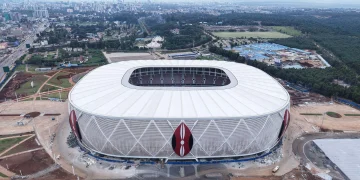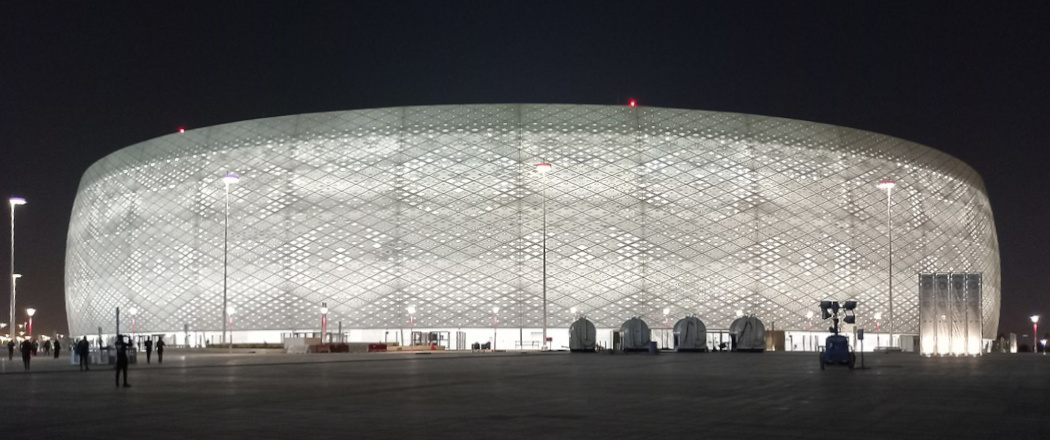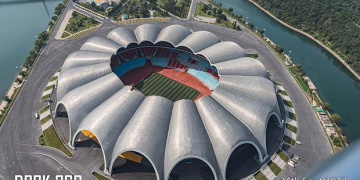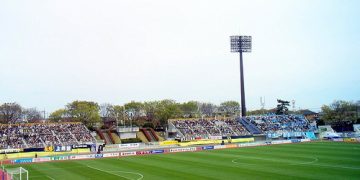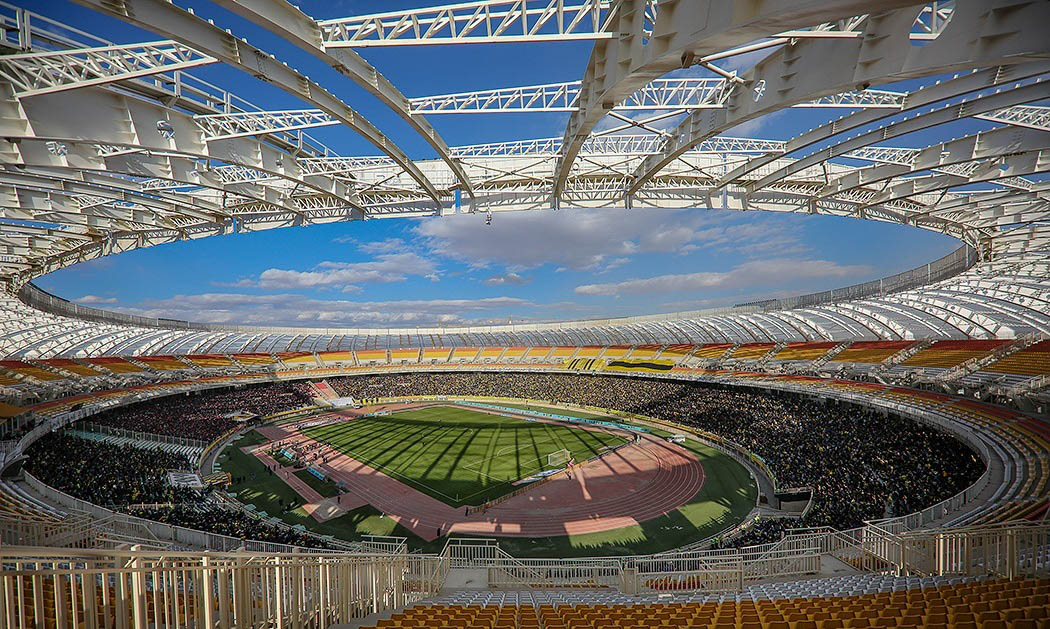
Naghsh-e Jahan Stadium stands as one of Iran’s most important football venues and a landmark of Isfahan’s sporting culture. The stadium blends modern engineering with deep cultural meaning, drawing its name from the historic Naqsh-e Jahan Square. Naghsh-e Jahan Stadium is the proud home of Sepahan SC and remains the second largest stadium in the country.
Stadium Details
| Feature | Information |
|---|---|
| Name | Naghsh-e Jahan Stadium |
| Capacity | 75,000 |
| Country | Iran |
| City | Isfahan |
| Home Club | Sepahan SC |
| Inaugurated | 2003 |
| Renovations | 2007–2016 |
| Meaning of Name | “Image of the World Stadium” |
| Original Designation | Varzešgâh-è Naqš-è Jahân |
Origins and Development of Naghsh-e Jahan Stadium
Naghsh-e Jahan Stadium opened in 2003, marking a major milestone for Isfahan’s football landscape. The facility was created to serve as the central sporting venue for Sepahan SC during a period when the club grew rapidly in national and continental competitions. Its name pays tribute to Naqsh-e Jahan Square, one of the world’s most celebrated architectural complexes. This link connects the modern stadium to the rich artistic legacy of Isfahan.
The stadium first served as Sepahan’s home ground between 2003 and 2007. Renovation works began soon after, responding to growing FIFA requirements and local expectations. The upgrades continued until 2016, the year the stadium officially reopened. These renovations focused on structural expansion, improved seating, and updated access routes to support large crowds.
Football Significance and Historic Matches
Naghsh-e Jahan Stadium has hosted several major football events, including Hazfi Cup finals in 2004, 2006, 2007, and 2021. These matches strengthened the venue’s reputation as a preferred site for decisive national fixtures. The crowd atmosphere enhanced the experience for both supporters and players. Since reopening, the stadium has remained the core location for Sepahan’s domestic and international competitions.
Attendance Records
The stadium is known for drawing massive crowds. Below are notable high-attendance matches, each surpassing 35,000 spectators.
| # | Date | Home Team | Score | Away Team | Attendance |
|---|---|---|---|---|---|
| 1 | 24 April 2023 | Sepahan | 1–1 | Malavan | 70,000 |
| 2 | 15 February 2024 | Sepahan | 1–3 | Al-Hilal | 61,265 |
| 3 | 12 April 2019 | Sepahan | 0–1 | Esteghlal | 60,000 |
| – | 17 February 2023 | Sepahan | 2–0 | Zenit | 60,000 |
| – | 15 April 2023 | Sepahan | 2–0 | Mes Rafsanjan | 60,000 |
| – | 12 November 2023 | Sepahan | 1–0 | Persepolis | 60,000 |
| 7 | 12 May 2023 | Sepahan | 5–0 | Paykan | 55,000 |
| – | 23 August 2023 | Sepahan | 1–0 | Esteghlal | 55,000 |
| 9 | 9 December 2018 | Sepahan | 1–1 | Persepolis | 50,000 |
| 10 | 30 November 2019 | Sepahan | 2–2 | Esteghlal | 44,000 |
| 11 | 21 September 2017 | Sepahan | 2–2 | Persepolis | 38,000 |
| – | 30 November 2018 | Sepahan | 1–0 | Padideh Khorasan | 38,000 |
These matches showcase the stadium’s strong spectator culture and the loyalty of Sepahan supporters.
Controversies and Notable Incidents
In October 2023, a major controversy surrounded a scheduled AFC Champions League match between Sepahan and Al-Ittihad. The visiting team protested the presence of a Qasem Soleimani statue on the pitch. The match did not proceed, and the governing body awarded a 3–0 result to Al-Ittihad. The incident attracted significant media attention and highlighted ongoing tensions within continental competitions.
Additional Sporting Facilities
Adjacent to the main stadium is the Naghsh-e-Jahan Arena, officially named the 25 Aban Arena. This indoor complex seats 6,000 spectators and hosts volleyball, futsal, and wrestling events. The arena has welcomed important international competitions, including the 2015 AFC Futsal Club Championship and the 2017 World Men’s Greco-Roman Wrestling Clubs’ Cup. Together, the stadium and arena form a major sports hub in Isfahan.
Cultural and Sporting Impact
Naghsh-e Jahan Stadium holds an important place in the identity of Isfahan. Its capacity, historical connections, and passionate sporting culture combine to make it a central landmark in Iranian football. Renovations and continued use ensure that the stadium will remain a major venue for future generations, preserving both athletic excellence and cultural pride.