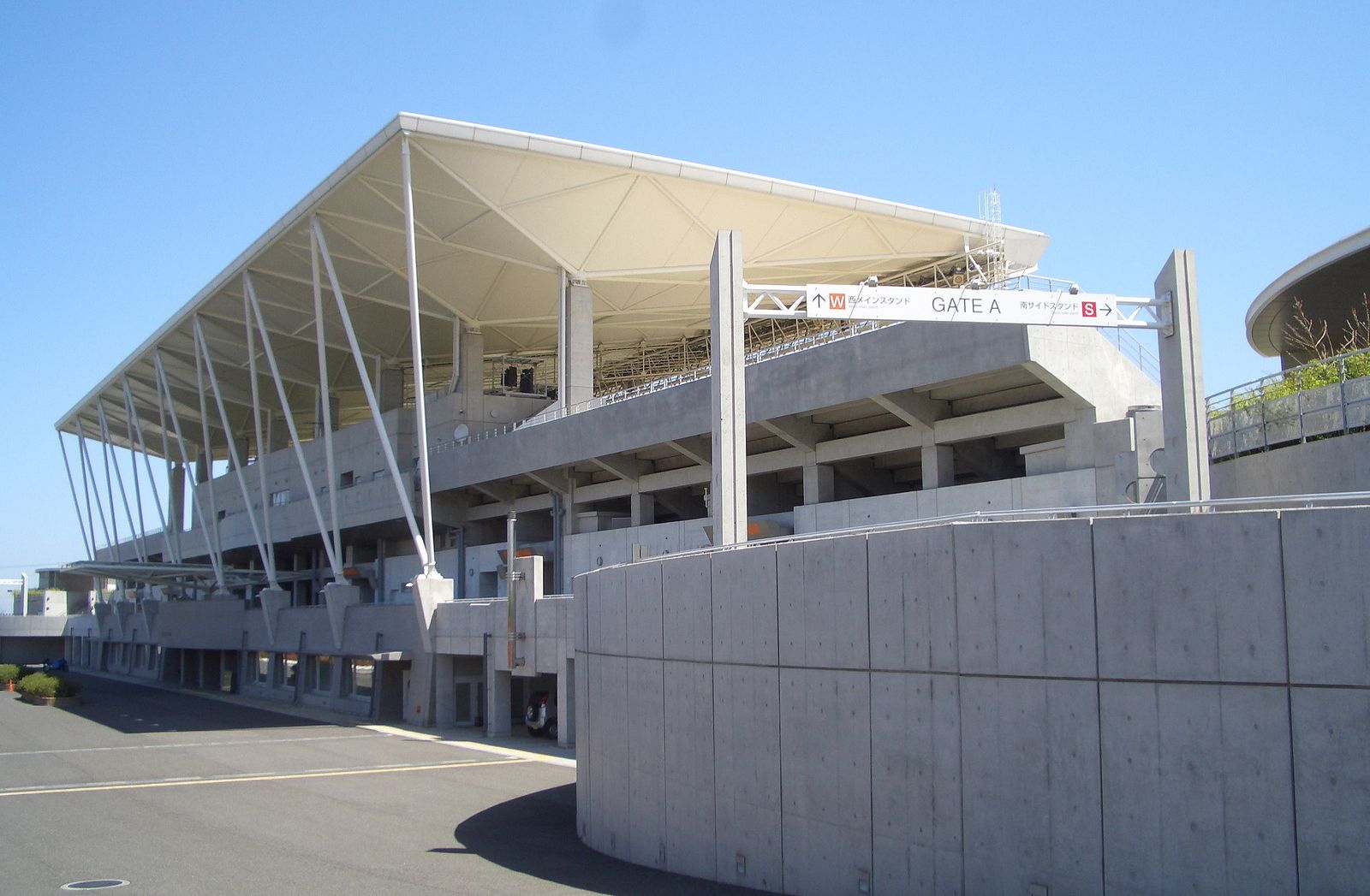
Matsumoto Stadium, also known by its nickname Sunpro Alwin, is a multi-use stadium located in the city of Matsumoto, Nagano Prefecture, Japan. Opened in 2001, the stadium serves as the home ground for Matsumoto Yamaga FC and is notable for its scenic location in the foothills of the Japanese Alps. The stadium has a seating capacity of 20,396 and is used primarily for football matches, although it has hosted various other sports and events. The stadium’s unique design includes a sunken structure due to its proximity to the municipal airport, as well as a distinctive steel platform in place of a full roof on the east stand.
Stadium Details
| Feature | Information |
|---|---|
| Name | Matsumoto Stadium (Sunpro Alwin) |
| Capacity | 20,396 |
| Country | Japan |
| City | Matsumoto, Nagano |
| Home Club | Matsumoto Yamaga FC |
| Inauguration | May 2001 |
| Location | Matsumoto, Nagano Prefecture |
| Surface | Grass |
| Owner | Nagano Prefecture |
| Operator | TOY BOX |
Origins and Construction
Matsumoto Stadium was built as part of Japan’s preparations for the 2002 FIFA World Cup. Although Japan’s bid for the World Cup did not include Matsumoto as a host city, the stadium was constructed as a training base for international teams, including Paraguay, during the tournament. The project was completed in 2001, with the stadium’s design tailored to fit the natural landscape and the local environment, incorporating elements of the nearby Japanese Alps.
One of the unique aspects of Matsumoto Stadium’s construction was its location near the Matsumoto Municipal Airport. To comply with height restrictions and to mitigate potential air traffic disruptions, the stadium was built partially sunken into the ground, around 10 meters below the surface. This design decision allowed for a more seamless integration of the stadium into the surrounding landscape, while ensuring that the structure did not exceed the height limits imposed by the proximity to the airport.
Stadium Design and Features
Matsumoto Stadium’s design is unique in several ways. The seating bowl is single-tiered, providing an intimate and compact atmosphere for fans, with the stands situated very close to the pitch. The east stand, due to airport height restrictions, lacks a full roof and instead features a steel platform with floodlights, offering a distinctive aesthetic compared to other stadiums.
The stadium’s location in the Japanese Alps provides breathtaking views of the surrounding mountains, making it one of the most scenic football venues in Japan. The nickname “Alwin” comes from a combination of “Alps” and “wind,” reflecting the natural setting and the refreshing breeze that flows through the stadium on matchdays.
Use in Football and Other Sports
Matsumoto Stadium is home to Matsumoto Yamaga FC, a club that has risen through the ranks of Japanese football, achieving J.League status in recent years. The stadium hosts the club’s home games in the J.League and other domestic competitions. It has become an integral part of the Matsumoto community, with a loyal fanbase that fills the stadium for every home fixture.
In addition to football, Matsumoto Stadium has been used for rugby matches and various cultural and sporting events. The stadium was part of the 2002 FIFA World Cup’s training facilities and has also hosted matches for the Kirin Cup and international youth football tournaments. Despite its compact size, the stadium is well-equipped for hosting a variety of events, including concerts and other large gatherings.
Naming Rights and Sponsorship
In 2018, Matsumoto Stadium was rebranded as “Sunpro Alwin” after a naming rights deal was signed with the Sunpro company. The deal marked the beginning of a new era for the stadium, providing financial support for ongoing renovations and improvements. The stadium had previously been known as Matsumotodaira Park Stadium and later simply as Matsumoto Stadium.
The “Alwin” nickname remains in use, a legacy of the stadium’s original branding and its connection to the Alpine region. The naming rights deal with Sunpro has been instrumental in funding upgrades and ensuring the continued development of the stadium.
Legacy and Impact
Matsumoto Stadium plays a vital role in the local sports culture. It is not only the home ground of Matsumoto Yamaga FC but also a hub for the local community, hosting events that bring people together. The stadium has contributed to the growth of football in the region and is a symbol of Matsumoto’s commitment to sports and recreation.
As the city continues to grow and develop, Matsumoto Stadium remains a key venue for football and other sports, fostering talent and providing a space for both professional and amateur athletes to compete. The stadium’s location, design, and rich history make it one of Japan’s most beloved football venues, and its future looks bright with ongoing support from fans, sponsors, and the local community.