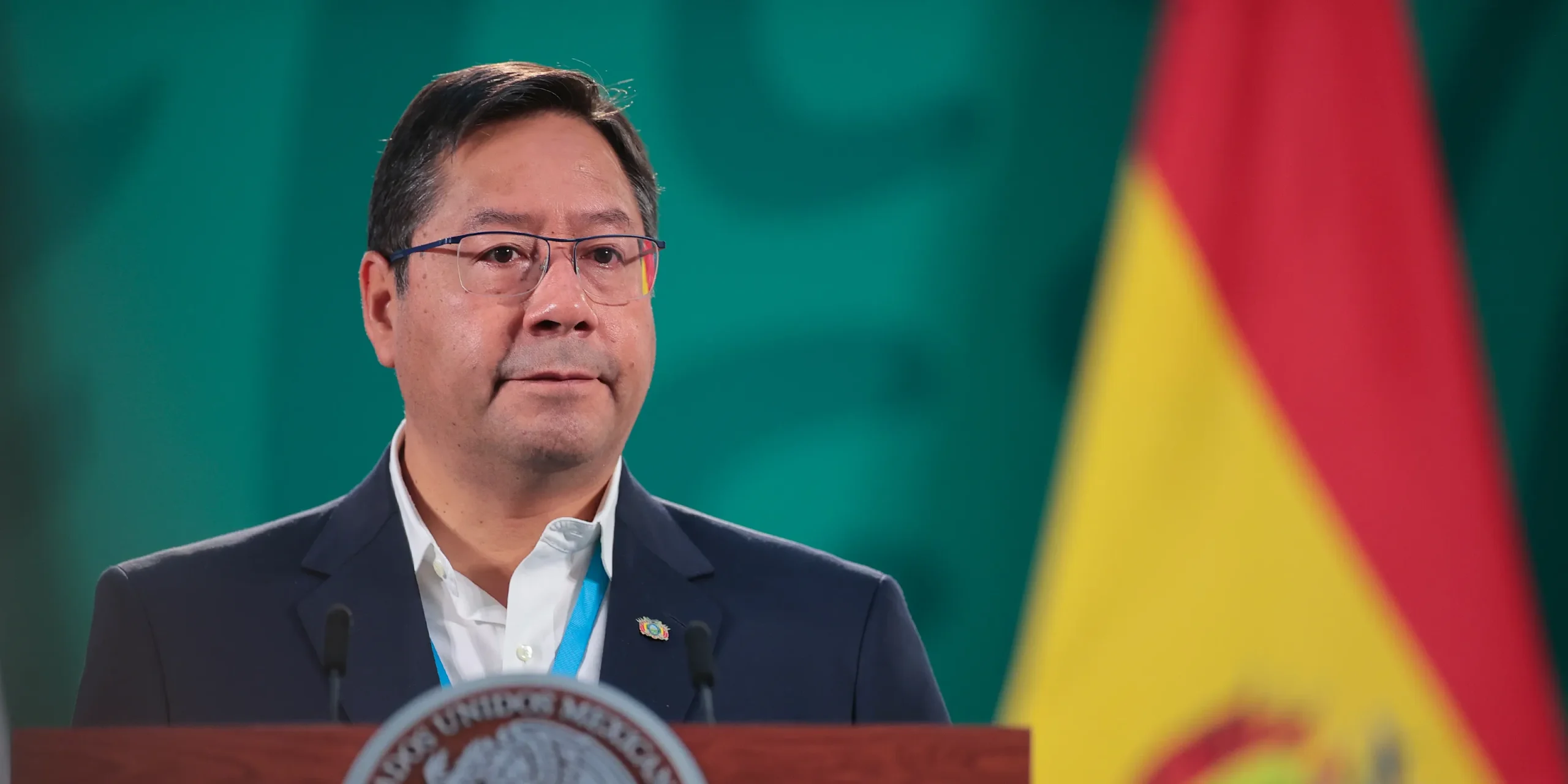
Luis Alberto Arce Catacora (born September 28, 1963, La Paz, Bolivia), also known as Lucho Arce, grew up in a family of public school teachers. After graduating in accounting from the Institute of Banking Education in 1984, he pursued a degree in economics at the Higher University of San Andrés (UMSA). In 1987 he joined the Central Bank of Bolivia, where he served for nearly two decades in positions ranging from trader to deputy manager of reserves.
Arce briefly left the bank to earn a master’s degree in economics at the University of Warwick (1996–97), writing a thesis on currency substitution. Alongside his banking career, he became a professor of economics and finance at UMSA, Loyola University, and other institutions.
Political Rise with MAS
In the late 1990s, Arce joined Movement Toward Socialism (MAS), a leftist coalition founded by Evo Morales and other activists. He helped design MAS’s economic program, which aimed to dismantle neoliberalism by nationalizing natural resources, redistributing land, and expanding state control in development.
When Morales was elected president in 2005, he appointed Arce as minister of finance and economy, making him the architect of Bolivia’s economic policies. Under his stewardship, GDP growth averaged 4.6 percent annually (2006–11), poverty rates declined, unemployment dropped, and Bolivia became part of Latin America’s Pink Tide of socialist governments.
Despite later criticism that he had failed to diversify the economy, Arce’s policies of renationalization, higher taxation on the wealthy, and expanded social spending earned him praise as the guardian of Bolivia’s economic boom.
Presidency and Challenges
After Morales’s contested 2019 election and subsequent ouster, Arce went into exile in Mexico. In October 2020, he returned as MAS’s presidential candidate, winning decisively with over 55 percent of the vote. His victory restored socialist governance after the interim right-wing administration of Jeanine Áñez.
Arce’s presidency was immediately challenged by the COVID-19 pandemic, which devastated Bolivia’s economy, and by political tensions within MAS as Morales returned from exile. Despite these challenges, Arce remained firm on state-led development and promised social stability.
On June 26, 2024, Gen. Juan José Zúñiga led a dramatic but failed coup attempt, with armored vehicles breaching the government palace in La Paz. In a striking moment, Arce personally confronted the coup leaders. The plot quickly collapsed, Zúñiga was arrested, and even Morales and Áñez condemned the attempt. However, the crisis highlighted Bolivia’s fragile democracy and deepening divisions within MAS, with Morales preparing to challenge Arce in the 2025 election.
Legacy and Impact
Luis Arce is often described as a technocrat with socialist ideals—a pragmatic economist who blends state intervention with stability-focused policies. While his presidency continues to face political polarization, economic uncertainty, and tensions with his mentor Evo Morales, Arce has positioned himself as both a guardian of Bolivia’s economic model and a defender of democratic institutions.
Key Facts at a Glance
| Year | Event | Outcome |
|---|---|---|
| 1963 | Born in La Paz, Bolivia | Son of teachers, Maronite Christian family |
| 1987 | Joined Central Bank of Bolivia | Rose through economic and financial roles |
| 1996–97 | Studied at University of Warwick | Earned master’s degree in economics |
| 2006 | Appointed Minister of Finance | Architect of Morales’s economic reforms |
| 2017 | Resigned due to kidney cancer | Recovered and returned to politics |
| 2019 | Morales ousted after disputed election | Arce fled into exile in Mexico |
| 2020 | Won presidential election | Restored MAS to power |
| 2024 | Survived coup attempt | Personally confronted military rebels |