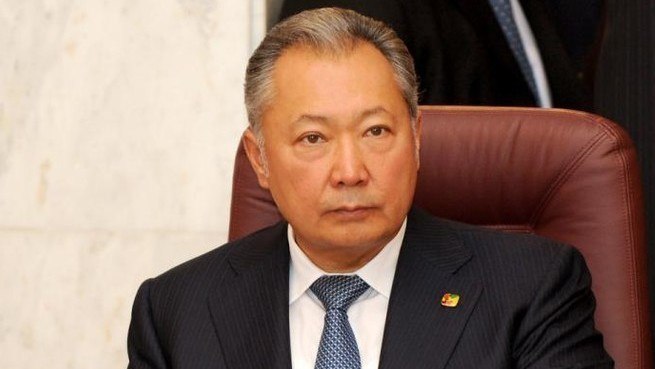
Kurmanbek Bakiyev was born on August 1, 1949, in Masadan, Kirgiziya, U.S.S.R. (now Kyrgyzstan). After graduating from the Kuybyshev Polytechnic Institute in 1972, he worked as an electrical engineer until entering politics in 1990. Rising through local government posts, he served as governor of Jalal-Abad and later Chui oblasts in the 1990s.
In December 2000, President Askar Akayev appointed Bakiyev prime minister. However, after political disagreements, he was dismissed in 2002. Bakiyev later won a parliamentary seat and helped form the opposition People’s Movement of Kyrgyzstan in 2004, setting the stage for his rise during a period of political turmoil.
Presidency and the Tulip Revolution
In March 2005 widespread protests over corruption and election fraud—later called the Tulip Revolution—forced President Akayev from power. Bakiyev was installed as interim head of state and won the July 2005 presidential election with nearly 89 percent of the vote, in elections judged broadly fair by observers.
His early actions included releasing opposition leader Feliks Kulov from prison to restore unity and stabilizing a fragile economy. However, tensions quickly emerged between Bakiyev and opposition figures. He attempted to strengthen presidential powers through a 2007 constitutional referendum, which international monitors criticized. His party, Ak Zhol (Bright Path), won a large majority in parliament.
Challenges, Protests, and Authoritarian Rule
Bakiyev’s administration faced mounting corruption allegations, nepotism, and mismanagement of hydroelectric resources that triggered an energy crisis in 2008. Protests grew over economic hardship and rising authoritarianism.
The 2009 presidential election, marred by fraud allegations, returned Bakiyev to power with more than 75 percent of the vote. Journalists and political activists faced intimidation, further eroding his legitimacy.
By 2010 discontent erupted into violent unrest, fueled by a sharp increase in utility costs and accusations of corruption. In April 2010 security forces killed nearly 80 protesters during clashes in Bishkek. Facing escalating protests, Bakiyev fled the capital and later the country.
Exile and Legacy
Bakiyev was granted asylum in Belarus, where he continues to live. In 2013 he was tried in absentia in Kyrgyzstan and sentenced to 24 years in prison for abuse of power. Despite his exile, Bakiyev remains a controversial figure: remembered both for leading the Tulip Revolution and for presiding over an increasingly authoritarian regime that ended in violent unrest.
Quick Facts
| Attribute | Details |
|---|---|
| Full Name | Kurmanbek Saliyevich Bakiyev |
| Born | August 1, 1949, Masadan, Kirgiziya, U.S.S.R. |
| Age | 76 (as of 2025) |
| Positions Held | Prime Minister of Kyrgyzstan (2000–02); President of Kyrgyzstan (2005–10) |
| Rise to Power | Led opposition during Tulip Revolution (2005) |
| Presidency | Elected 2005, reelected 2009 |
| Downfall | Ousted during 2010 protests, fled to Belarus |
| In Exile | Granted asylum in Belarus; sentenced in absentia (2013) |
| Legacy | A pivotal figure in Kyrgyzstan’s post-Soviet history, symbolizing both reformist hopes and authoritarian decline |