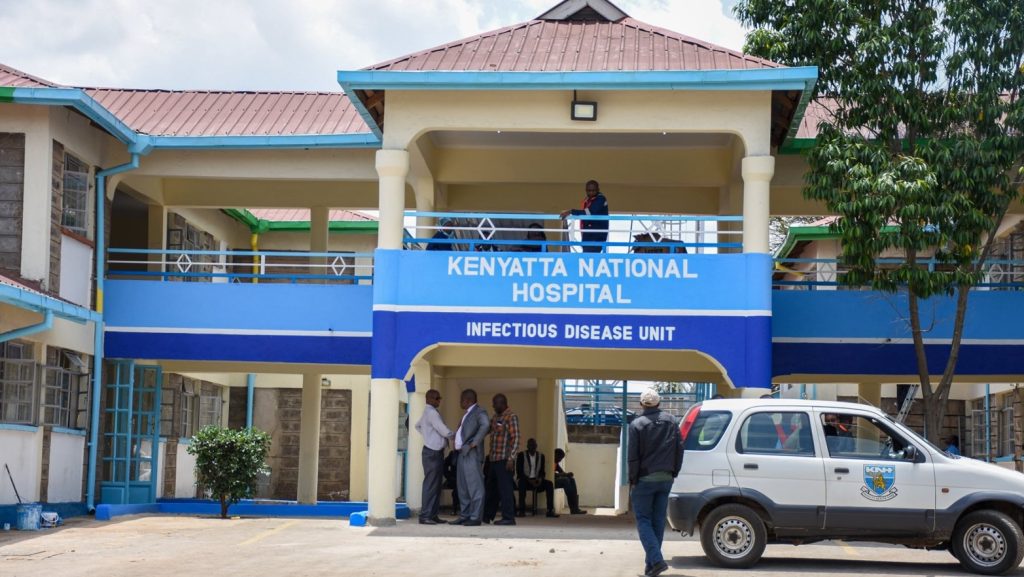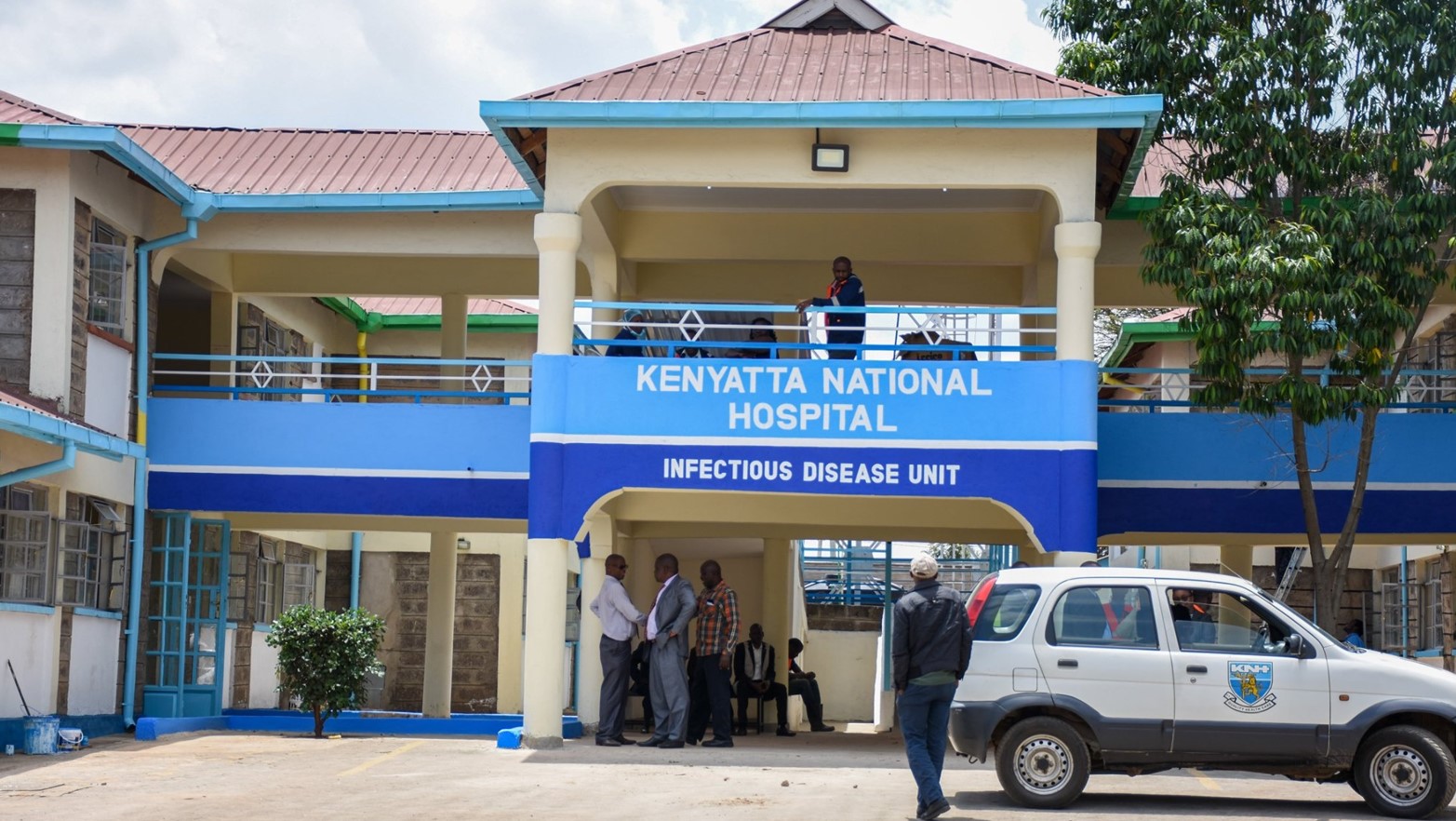
Kenyatta National Hospital has achieved a major medical milestone after successfully treating an enlarged prostate using a 20-minute steam-based procedure, making it the first public hospital in Kenya to offer the advanced therapy.
The hospital confirmed that the minimally invasive procedure, known as Rezūm Water Vapour Therapy, was performed on a 55-year-old patient suffering from benign prostate enlargement. The treatment was completed under sedation and allowed the patient to return home the same day, highlighting a shift toward faster, patient-friendly care in public facilities.
The introduction of steam therapy at KNH signals growing access to modern medical solutions that were previously limited to private hospitals. It also reflects broader efforts to improve specialised care within Kenya’s public healthcare system.
Rezūm Water Vapour Therapy treats benign prostatic hyperplasia, a non-cancerous condition that affects many men as they age. The condition commonly causes urinary difficulties, including weak flow, frequent urination, and nighttime discomfort, significantly affecting quality of life.
During the procedure, a small medical device delivers controlled bursts of sterile steam directly into the enlarged prostate tissue. Each steam application lasts only a few seconds, but the heat effectively shrinks excess tissue. Over time, the body naturally absorbs the treated tissue, easing pressure on the urethra and improving urine flow.
Medical experts at KNH say the entire procedure takes about 20 minutes and does not require general anaesthesia. Because it is performed as a day-care service, patients experience minimal disruption and faster recovery compared to conventional prostate surgery.
The treatment is particularly suited for men with moderate to severe symptoms who want to avoid long-term medication or invasive surgical procedures. Importantly, clinical studies indicate that Rezūm therapy carries a very low risk of sexual side effects, including retrograde ejaculation, which is a common concern with traditional prostate surgery.
According to available clinical evidence, most patients begin noticing symptom relief within two to six weeks. Maximum improvement is usually achieved within two to three months, with benefits often lasting for five years or longer.
KNH officials noted that while Rezūm therapy is widely used in Europe and the United States, and available in some private hospitals locally, its introduction in a public referral hospital is a significant step toward equitable healthcare access.
The hospital emphasised that the procedure aligns with its commitment to offering advanced, cost-effective treatments to a broader population, particularly patients who may not afford private care.
The successful procedure was carried out by a multidisciplinary medical team led by Dr D. K. Kimani, a senior urologist at KNH and honorary lecturer at the University of Nairobi. The team included anesthesiologists, urology registrars, senior nurses, and theatre support staff.
Health experts believe the move could pave the way for wider adoption of minimally invasive urological procedures across public hospitals in Kenya, reducing waiting times, complications, and long hospital stays for patients with prostate conditions.