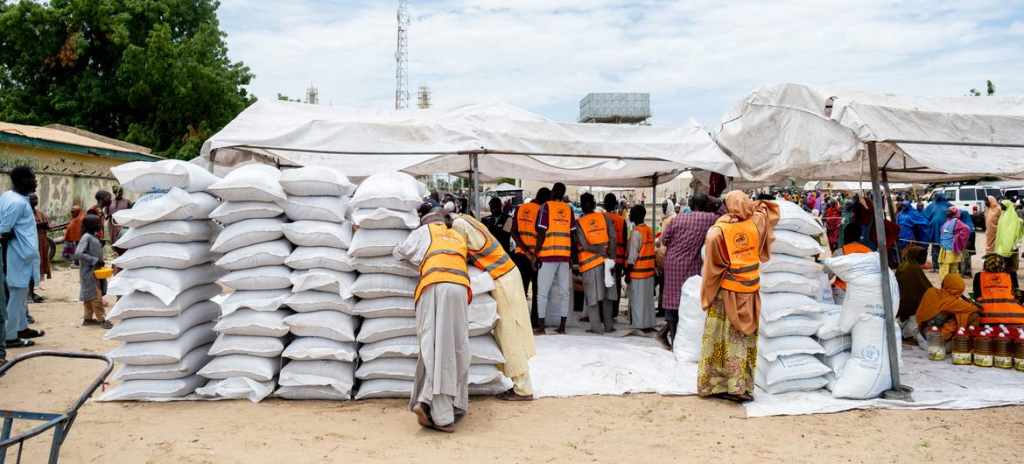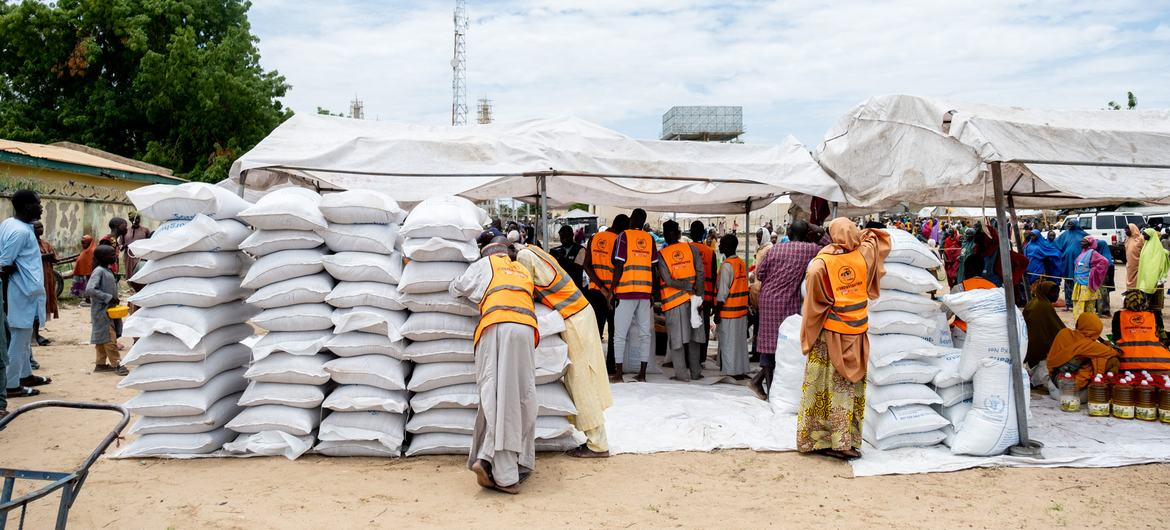
Aid cuts are pushing millions of people across West and Central Africa deeper into hunger, as humanitarian agencies struggle to respond to rising needs driven by conflict, displacement, and economic shocks. The situation is expected to worsen during the lean season from June to August, when food shortages traditionally peak.
According to the UN World Food Programme, about 55 million people in the region are projected to face crisis levels of hunger or worse this year. The warning follows the latest analysis by Cadre Harmonisé, the regional food security framework that assesses hunger severity on a five-point scale, with the highest level indicating catastrophe or famine.
The UN agency estimates that more than 13 million children will suffer from malnutrition in 2026, while over three million people are expected to experience emergency levels of food insecurity. This marks a sharp rise compared to 2020, highlighting how quickly conditions have deteriorated.
Nigeria, Chad, Cameroon, and Niger account for more than three-quarters of those affected. In Nigeria’s Borno State alone, about 15,000 people are at risk of catastrophic hunger for the first time in nearly a decade, underscoring the scale of the crisis.
While conflict, displacement, and economic instability have long fueled hunger in the region, WFP officials say reductions in humanitarian funding are now overwhelming communities’ ability to cope. The agency notes that funding cuts in 2025 significantly deepened hunger and malnutrition across multiple countries.
In Mali, reduced food rations led to a nearly 65 percent increase in acute hunger since 2023 in areas receiving partial assistance, compared with notable improvements in communities that received full rations. Continued insecurity has also disrupted supply routes, leaving around 1.5 million vulnerable people at risk of crisis-level hunger.
Nigeria has seen similar impacts. Funding shortfalls forced WFP to scale down nutrition programmes last year, affecting more than 300,000 children. Since then, malnutrition levels in several northern states have worsened from serious to critical. The agency expects to assist only about 72,000 people in February, down from 1.3 million during the previous lean season.
Elsewhere, more than half a million vulnerable people in Cameroon could soon lose access to food assistance as resources dry up. WFP says it urgently needs more than $453 million over the next six months to maintain operations across West and Central Africa.
Despite these challenges, the agency points to programmes that have strengthened resilience, including farmland rehabilitation, school meals, nutrition support, and infrastructure projects that help communities withstand shocks. WFP officials argue that breaking the cycle of hunger will require a shift toward preparedness, early action, and long-term investment in local resilience.
As aid cuts continue, humanitarian leaders warn that without renewed funding and coordinated action, hunger in West and Central Africa will deepen further, placing millions of lives at risk.