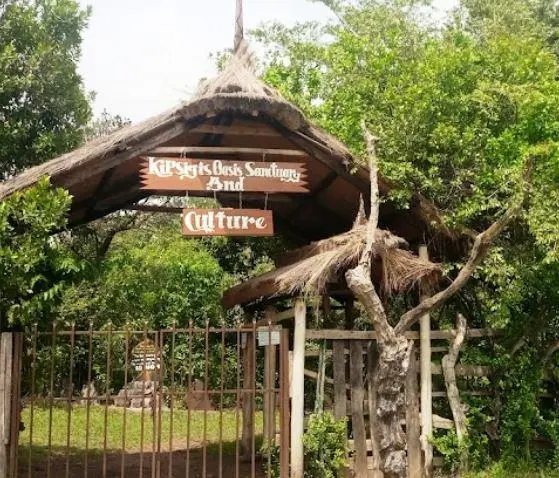
Set amid the golden savanna plains of southern Bomet, near the Bomet–Narok border, the Kipsigis Oasis Sanctuary and Culture is a captivating cultural center that harmoniously blends heritage preservation and wildlife conservation. Located in Chebunyo village, the sanctuary sits within a wildlife-rich corridor contiguous with the Maasai Mara ecosystem, where animals have roamed freely for generations. Its establishment by the local community reflects a remarkable commitment to safeguarding both nature and culture, making it one of the most authentic cultural sanctuaries in Kenya’s Rift Valley region.
For centuries, the Kipsigis people — a sub-group of the Kalenjin community — have lived in close connection with their environment, balancing pastoral and agrarian livelihoods while preserving deep-seated customs and oral traditions. The Kipsigis Oasis Sanctuary and Culture stands as a living museum of this heritage, offering visitors an immersive experience into their spiritual beliefs, ancestral practices, music, and social customs. Visitors can engage in storytelling sessions that recount the Kipsigis’ spiritual bond with Asis (the sun deity), learn about ancient agricultural rites, and experience traditional music and dance performed with indigenous instruments such as drums, flutes, and the lesos (a local lyre).
The sanctuary’s setting enhances its appeal. At the southern edge of Bomet, the terrain transforms from rolling highlands into open grassland savanna, teeming with wildlife and dotted with traditional homesteads. Here, cattle farming and cultural conservation coexist harmoniously, sustaining both ecological and community well-being. The people of Chebunyo have taken it upon themselves to protect this vital corridor, ensuring that the natural passage of animals between Bomet and Narok remains unbroken — a striking example of community-led conservation.
Beyond its cultural richness, reaching the Kipsigis Oasis Sanctuary is an adventure in itself. From Narok town, it’s an 88-kilometre journey via the B3 Kaplong–Narok–Bomet Road to Mulot, followed by a rugged 28-kilometre off-road stretch. A 4×4 vehicle is highly recommended for this route, especially during the rainy season. The effort, however, is richly rewarded with a unique cultural and environmental encounter — a tranquil place where heritage thrives in harmony with nature.
The Kipsigis Oasis Sanctuary and Culture serves as a reminder that Kenya’s diversity is its strength. In a rapidly modernizing world, places like this preserve the spirit of tradition, celebrate the harmony between people and wildlife, and showcase the enduring identity of the Kipsigis people within the broader Kalenjin heritage.