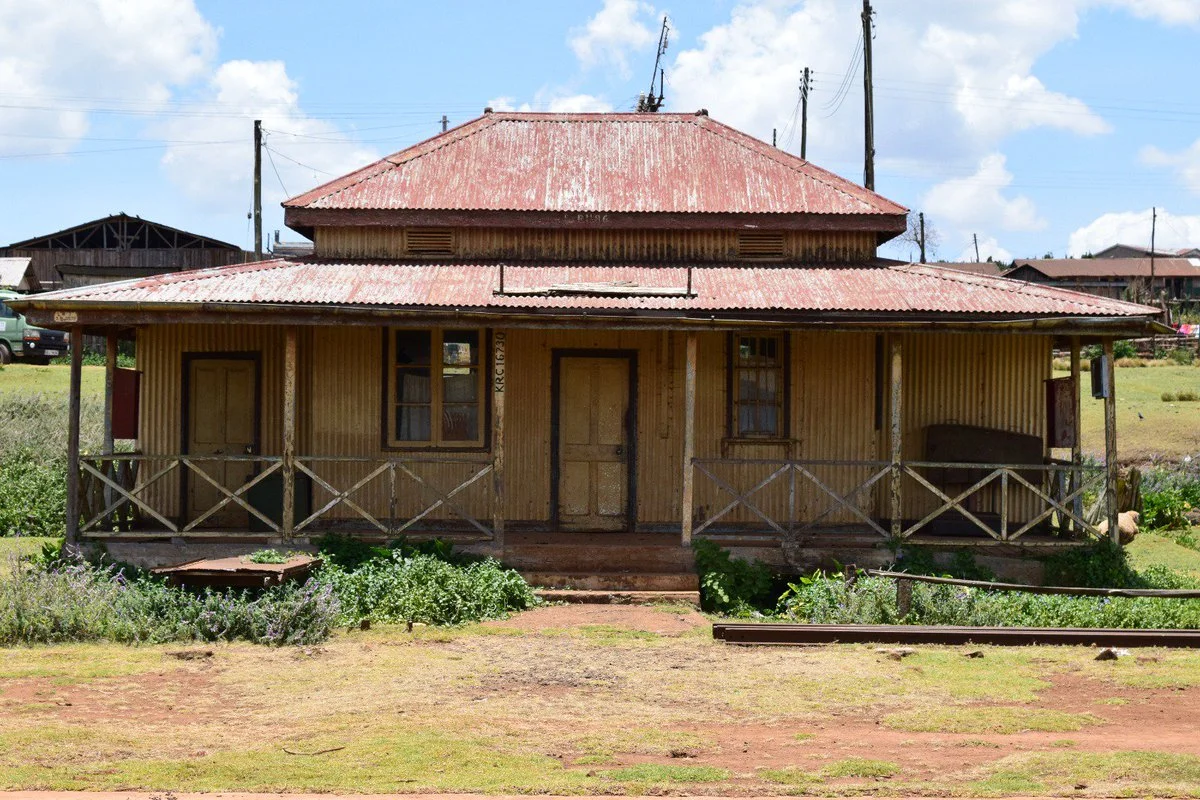
Perched high in the misty uplands between Baringo and Uasin Gishu Counties, Timboroa Railway Station stands as a quiet sentinel of Kenya’s railway heritage — a wooden relic from an era when the railway defined progress, settlement, and national transformation. Located 95 kilometres from Nakuru along the A104 Nakuru–Eldoret–Malaba Road, Timboroa marks both the southeastern gateway to Uasin Gishu and the highest railway station in the former British Commonwealth, rising to an astounding 9,001 feet (2,744 metres) above sea level.
The town of Timboroa, whose name comes from the Kalenjin word “Tim-boroowon” meaning a forest full of long ropes — a reference to the area’s lush bamboo and vine-covered woodlands — remains one of Kenya’s most fertile agricultural regions. Known as the nation’s “breadbasket”, it produces abundant potatoes, cabbages, and other highland crops that feed much of the Rift Valley. Its evergreen hills, cool climate, and vibrant roadside markets make it an inviting stop for travellers journeying westward.
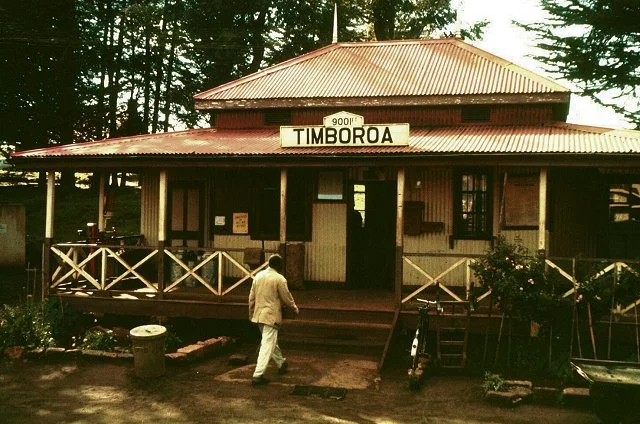
Yet it is the Timboroa Railway Station, established in 1924, that embodies the area’s historical soul. Constructed in the heyday of the Uganda Railway, this quaint, country-style station — made of timber and iron sheets — served as a vital link between Mombasa and Kisumu, connecting settlers, traders, and agricultural exporters to Kenya’s economic arteries. In 1925, the colonial government opened an official post office next to the station, further solidifying Timboroa’s role as a thriving administrative and transport hub.
Adding to its historical charm, the Equator cuts directly across the railway platform, once marked by a small diamond-shaped sign at the track’s edge — a reminder that travellers here quite literally straddle two hemispheres. The station was an essential waypoint on the Kitale branch line, a route championed by early settler Ewart S. Grogan, who owned nearly 200,000 acres of timberland in Timboroa. His influence ensured the line’s construction to transport timber and agricultural produce from the highlands to coastal markets.
Despite falling into disuse in recent decades, Timboroa Station still holds a special place in Kenya’s transport history. The Kitale line remains operational within Kenya’s broader rail network, and the station’s location continues to be celebrated as a symbol of endurance and engineering triumph. The panoramic views surrounding Timboroa, combined with its unique position on the Equator, offer a blend of geographical wonder, colonial heritage, and rural charm that few sites can match.
Today, while trains no longer whistle regularly past its weathered wooden walls, Timboroa Railway Station endures as a landmark of Kenya’s railway legacy, echoing stories of vision, endurance, and the pioneering spirit that shaped the nation’s early development.