The ICT equipment distributor license is now mandatory in Kenya for businesses importing or wholesaling communications equipment, following new regulations introduced by the Communications Authority of Kenya (CA).
The new Communications Equipment Distributor (CED) License took effect immediately and applies to companies that import telecommunications devices for commercial distribution. According to the regulator, the move is designed to strengthen oversight of communications equipment entering the Kenyan market while reducing the circulation of counterfeit and non-compliant products.
The licensing requirement forms part of broader reforms under the revised Telecommunications Market Structure published through Gazette Notice No. 3335 on March 6, 2026, pursuant to the Kenya Information and Communications Act.
ICT equipment distributor license becomes mandatory
CA Director General David Mugonyi said businesses intending to import communications equipment must first obtain a Communications Equipment Distributor License before bringing products into the country.
In addition to securing the new license, importers must obtain type approval from the Communications Authority and complete customs clearance through the government’s TradeNet system before products can be sold in Kenya.
The requirement applies to a broad range of communications equipment, including:
- Mobile phones
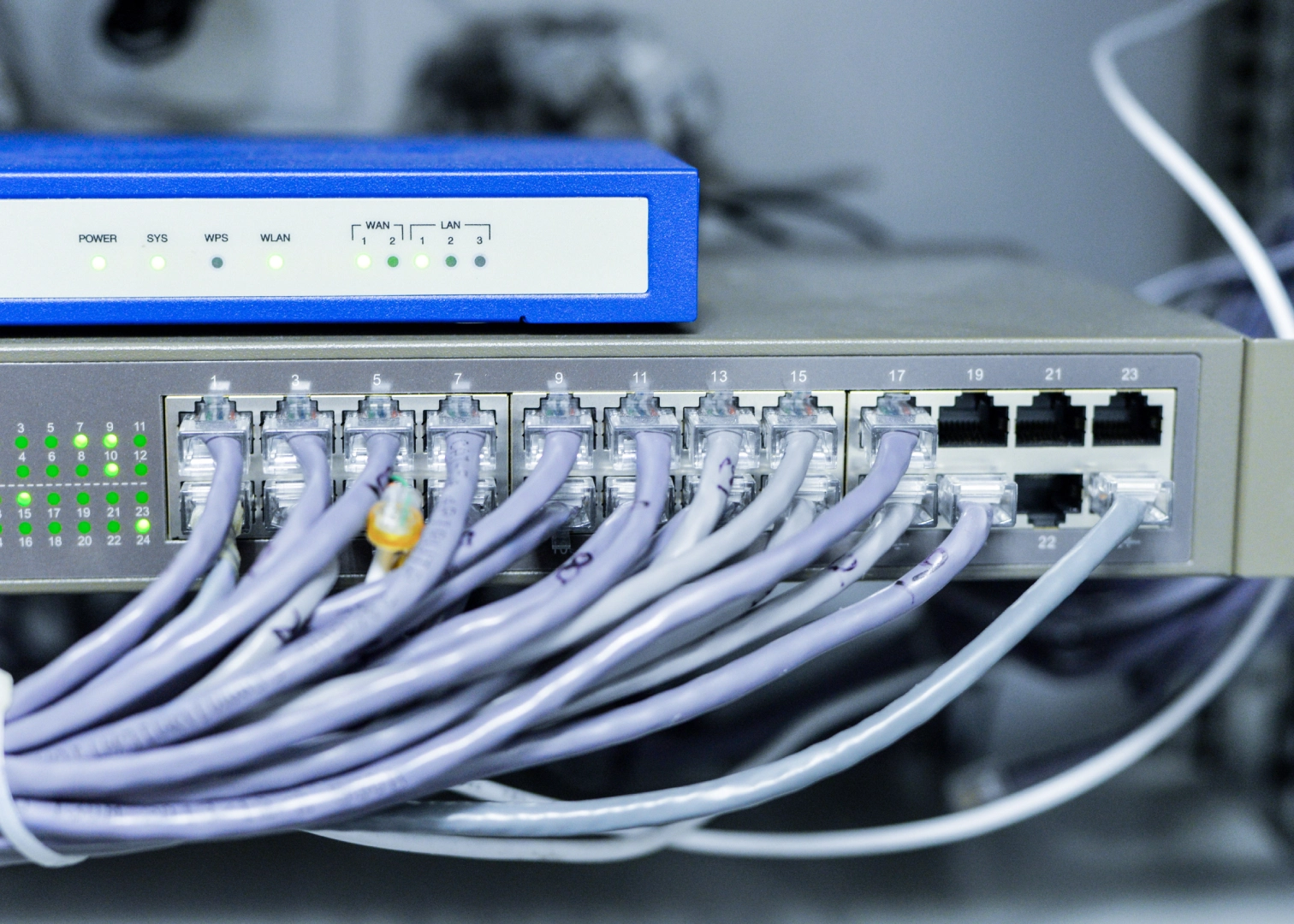
- Routers
- Modems
- Other telecommunications devices intended for commercial distribution
The regulator said the licensing framework covers both importation and wholesale distribution activities within Kenya.
Existing license holders must also comply
The new rules extend beyond new market entrants.
Companies that already hold Telecommunications Equipment Contractor (TEC) licenses or Vendor licenses must also apply for the Communications Equipment Distributor License if they intend to continue importing or distributing communications equipment.
The Communications Authority has not announced a transition period or exemptions for existing license holders. As a result, affected businesses are expected to comply with the new requirements immediately.
Compliance requirements for importers
The new licensing framework builds on several compliance measures introduced by the Communications Authority over the past two years.
Under the current requirements:
- Every product model must have a valid Type Approval certificate issued by the Communications Authority.
- Commercial invoices must clearly identify product model numbers and quantities to enable verification against the regulator’s approved equipment database.
- Importers of mobile devices must provide International Mobile Equipment Identity (IMEI) numbers when submitting import documentation to the Kenya Revenue Authority.
- Internet-connected devices must comply with IPv6 requirements before receiving customs clearance.
These conditions are intended to improve equipment traceability while ensuring communications devices entering Kenya meet technical and regulatory standards.
New fees apply to distributors
Businesses applying for the Communications Equipment Distributor License will be required to pay several regulatory fees.
According to the Communications Authority:
- Application fee: KES 5,000
- License fee: KES 250,000
- License validity: 15 years, subject to renewal
- Annual operating fee: 0.4% of annual turnover, with a minimum payment of KES 120,000
The combination of upfront licensing costs and recurring annual fees represents a new compliance expense for distributors operating in Kenya’s telecommunications sector.
Penalties for non-compliance
The regulator warned that businesses importing communications equipment without the required license or selling products that have not received type approval could face significant legal penalties.
Under the rules, offenders may be liable to:
- Fines of up to KES 1 million
- Imprisonment for up to three years
- Or both, depending on the circumstances
The penalties reinforce the regulator’s efforts to tighten oversight of communications equipment entering the Kenyan market.
Part of broader telecommunications reforms
The Communications Equipment Distributor License is the latest in a series of regulatory changes affecting Kenya’s ICT sector.
Over the past two years, the Communications Authority has strengthened equipment type approval requirements, introduced IMEI disclosure obligations for mobile device imports and proposed additional permit processing fees for telecommunications equipment.
The regulator has said these measures are intended to improve product quality, protect telecommunications infrastructure and reduce the availability of counterfeit and substandard devices.
The licensing framework also aligns import controls with broader government systems by requiring clearance through TradeNet before products can enter commercial distribution.
Industry implications
The new requirements are expected to increase regulatory compliance obligations for equipment distributors, importers and wholesalers operating in Kenya.
While the Communications Authority argues that tighter controls will strengthen consumer protection and improve network integrity, businesses will need to absorb additional licensing, administrative and compliance costs.
Companies that import telecommunications equipment will also need to review their supply chains, documentation processes and regulatory approvals to ensure they satisfy the new licensing framework before products reach the market.
The next key development will be how quickly businesses obtain the new licenses and whether the Communications Authority issues further guidance on implementation, enforcement or compliance procedures as the regulations take effect.
Read Also: Ruto Pledges Full University Funding for Students