Kenya’s automotive market has experienced a remarkable recovery in 2025, with vehicle sales soaring by 22.3% compared to the same period last year. By November 2025, dealers had sold 12,427 units, surpassing the total number of vehicles sold in 2024, which stood at 11,352 units. This growth is a positive shift after a period of economic strain, driven by expensive credit and delayed government payments that previously dampened vehicle sales.
Key Market Performance Highlights
- Total Sales Growth: Vehicle sales from January to November 2025 increased by 22.3%, reaching 12,427 units.
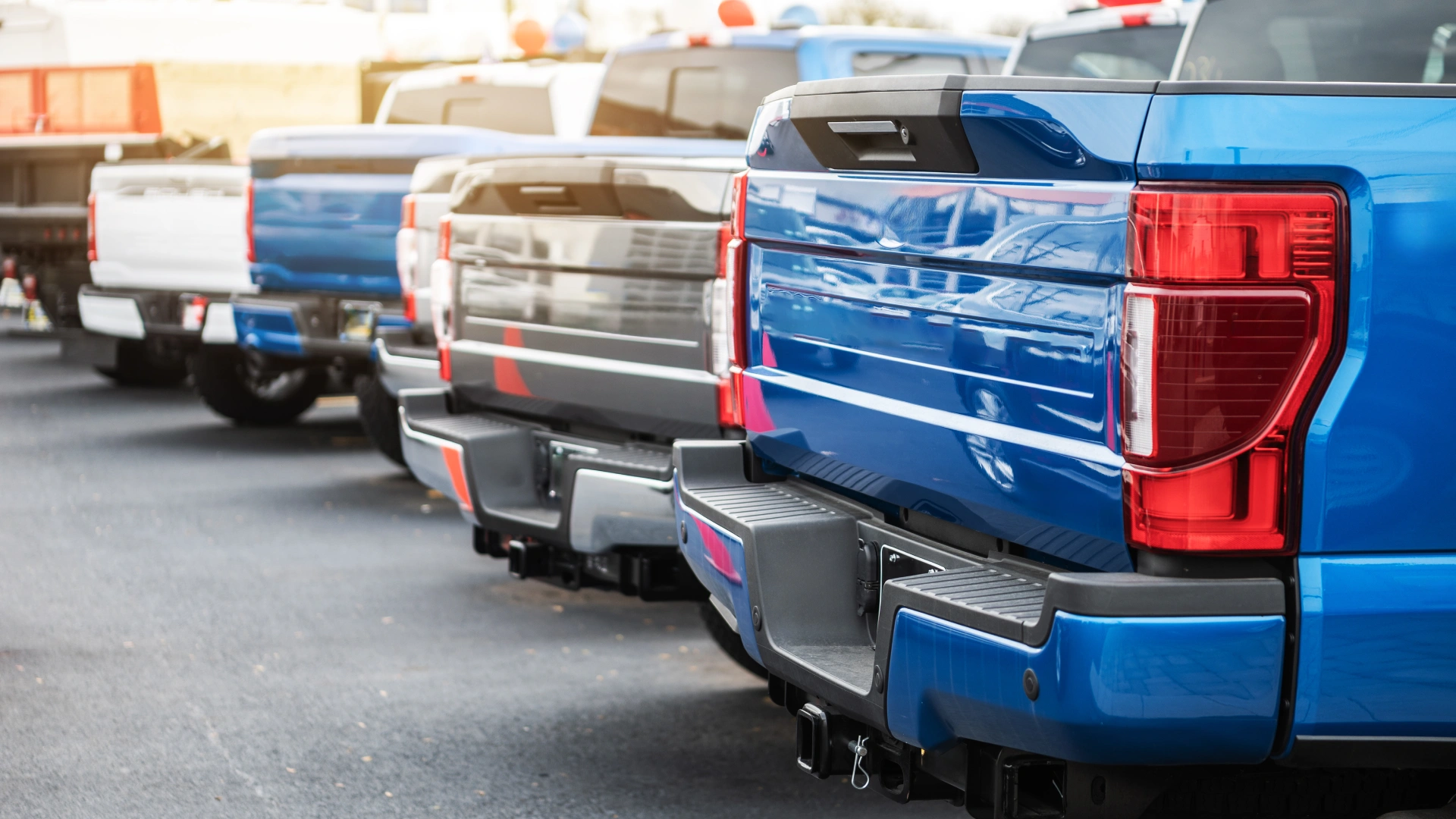
- Isuzu East Africa: The leader in commercial vehicle sales, Isuzu recorded a 22.8% increase in sales, delivering 5,938 units during the review period.
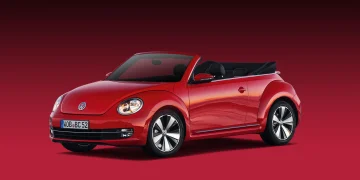
- CFAO Motors: With brands such as Toyota, Mercedes, and Volkswagen, CFAO sold 4,005 units, a 20.49% increase over the previous year.
- Simba Corporation: Distributing Mitsubishi, Proton, Ashok Leyland, and Mahindra, Simba posted sales of 1,030 units, a 10.87% rise from 2024.
Factors Driving the Rebound
1. Falling Interest Rates
One of the key drivers behind the rebound in Kenya’s automotive sector is the decline in interest rates. Commercial bank lending rates, which had reached 17.22% in November 2024, have dropped to 15.07% in September 2025. This reduction, along with the Central Bank of Kenya’s decision to lower its benchmark rate to 9%, has made vehicle financing more affordable for businesses.
This change in financing conditions is especially beneficial for businesses that were previously unable to afford high-interest vehicle loans. Sectors such as construction, utilities, field services, beverage distribution, and transport, which had put off vehicle purchases due to expensive credit, are now replacing their aging fleets.
2. Improved Government Payment Processing
Another critical factor contributing to the market’s recovery is the resumption of government contractor payments. After a prolonged delay, contractors who had been waiting for overdue payments are now receiving funds, which has enabled them to reinvest in vehicle purchases. The influx of government payments has provided businesses with the capital they need to replace aging equipment.
3. Direct Engagement and Customer Confidence
Vehicle dealers have actively engaged with customers through events across the country, providing opportunities for potential buyers to explore financing options and determine the best vehicles for their operational needs. This approach has been instrumental in rebuilding customer confidence, as many businesses had been hesitant to make significant capital expenditures during the high-interest period.
Future Outlook for the Kenyan Auto Market
The 22.3% increase in vehicle sales year-to-date shows that the market is stabilizing after facing significant challenges. With one month remaining in 2025, the final sales figures are expected to reflect even stronger growth, reinforcing the view that Kenya’s automotive sector has successfully weathered its recent difficulties.
As financing becomes more accessible and businesses are able to replace their aging fleets, the automotive market is likely to maintain its upward trajectory in the coming years. The 9.5% growth over the full year of 2024 is a testament to the market’s recovery and its resilience in the face of economic challenges.
4. Technological Advancements and Increased Demand for Eco-Friendly Vehicles
With the increase in sales, many customers are also looking for vehicles that offer better fuel efficiency and reduced environmental impact. The rise in eco-friendly and hybrid vehicles is expected to continue, as customers are becoming more conscious of their carbon footprint.
Conclusion
Kenya’s automotive market has shown a significant rebound in 2025, with vehicle sales increasing by 22.3% compared to the previous year. The decline in interest rates, the resumption of government payments, and direct engagement from dealers have all contributed to the sector’s recovery. As financing conditions improve and businesses replace aging fleets, the future of Kenya’s automotive market looks promising, with continued growth anticipated in the years ahead.