Winding gracefully through the heart of Bomet County, the Nyangores River — sometimes spelt Nyongores — is both a symbol of beauty and a pillar of survival. Its serene flow conceals a powerful story of ecological importance, cultural heritage, and environmental challenge. Originating from the Napuiyapi Swamp in the Mau Forest Complex, this 94-kilometer river nourishes farmlands, sustains wildlife, and ultimately merges with the Amala River at Kaboson to form the mighty Mara River, which in turn breathes life into the world-famous Masai Mara National Reserve.
The Nyangores River is not only vital but also scenic. It meanders through farmlands and settlements, forming calm pools in some stretches and turbulent currents in others. During the rainy seasons, the river swells with force — muddy and fierce — a reminder of nature’s raw power. In the drier months, however, it transforms into a tranquil ribbon of blue, perfect for leisurely swims or quiet reflection. One of its most enchanting features is the Tenwek Waterfalls, where sheets of white water cascade dramatically, offering a spectacular sight and a refreshing retreat for locals and visitors alike.
Beyond its beauty, Nyangores is the ecological backbone of southwestern Kenya. Its riparian zones teem with life — birds, fish, and lush vegetation thrive along its banks, supporting local biodiversity. The river’s catchment serves as a fertile cradle for agriculture, providing irrigation and sustenance for thousands of small-scale farmers. Its waters are not just a resource but a lifeline — ensuring food security, supporting the local economy, and maintaining the delicate balance of the Mara–Serengeti ecosystem, one of the world’s most celebrated wildlife corridors.
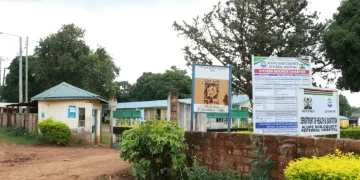
Yet, this lifeline faces immense pressure. Rapid population growth in the river basin has fueled land conversion and deforestation, threatening the river’s flow and health. Unsustainable farming practices, cultivation along riverbanks, and poor soil conservation have accelerated sedimentation and pollution. Runoff containing fertilizers and waste effluents from farms and nearby institutions such as Tenwek Mission Hospital further contaminates the water, affecting downstream ecosystems. Without intervention, the Nyangores — and by extension, the Mara — could face severe degradation.
Fortunately, efforts are underway to protect and restore this essential river system. Local communities, conservation groups, and government agencies are implementing reforestation programs, riparian restoration, and sustainable farming initiatives. These interventions aim to balance human needs with environmental preservation, ensuring that future generations can continue to benefit from the river’s bounty.
Flowing from the cool highlands of the Mau through the rolling fields of Bomet and into the vast plains of the Mara, the Nyangores River is more than a waterway — it is a living, breathing artery connecting Kenya’s people, wildlife, and natural heritage. Protecting it is not merely an environmental goal but a moral obligation to preserve one of the most vital rivers in the region.