In the quiet southwestern edge of Bomet County, where the rolling highlands of the Rift Valley merge with the dense Trans Mara Forest, lies the Masese Nyangores Ecotourism Site — a pristine haven that seamlessly blends conservation, culture, and community. It is one of Bomet’s newest and most promising nature sanctuaries, offering visitors a rare opportunity to immerse themselves in unspoiled wilderness while supporting sustainable tourism. This site is not just a place of beauty; it is a living example of how local communities and nature can thrive together in harmony.
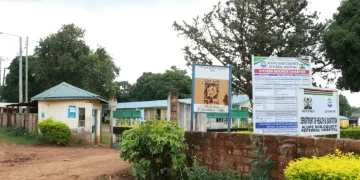
Nestled at the boundary of Trans Mara Forest, itself an extension of the Mau Forest Complex, Masese Nyangores is easily accessible from Bomet town via the Bomet–Kiptagich Road, passing through Silibwet and Mugango. The road leads to the forest station, where the ecotourism offices are located. Guided by local forest rangers, visitors embark on curated nature walks that highlight the rich biodiversity and cultural heritage of the area. The tours change with the seasons, ensuring a fresh experience every time you visit.
The first stop is often the tree nursery, a thriving conservation initiative that doubles as a sustainable income source for the local community. This nursery embodies the project’s goal — to preserve and replenish indigenous tree species that once dominated the Mau ecosystem. Beyond conservation, it provides a hands-on learning experience, allowing guests to understand the delicate balance between environmental protection and livelihood creation.
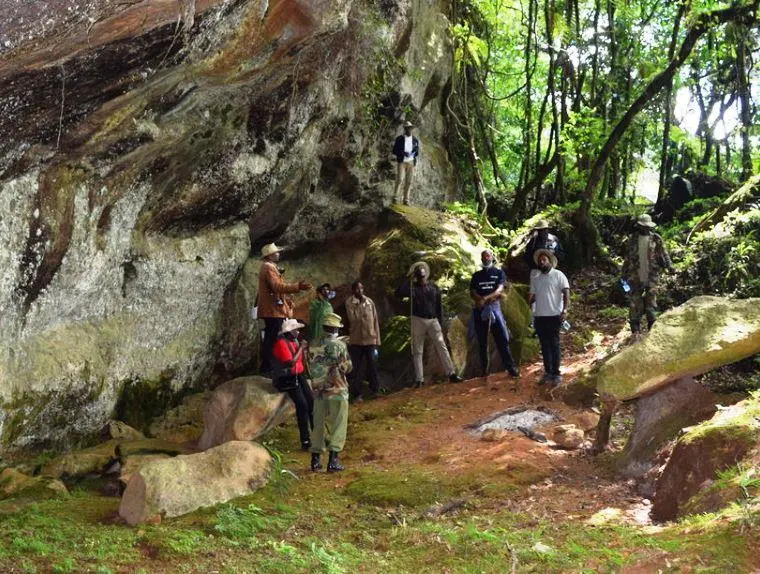
Venturing deeper into the forest, visitors are greeted by a world of natural wonder — thick moss carpeting the forest floor, sunlight filtering through ancient canopies, and the gentle murmur of the Nyangores River, which meanders gracefully through the forest. Along the way, explorers encounter ancestral caves once used by early inhabitants, rare plant species, and an impressive array of wildlife including antelope, white colobus monkeys, mongooses, and various bird species. The rhythmic harmony of flowing water, birdsong, and rustling leaves creates a soundscape that rejuvenates the senses.
The Masese Nyangores Ecotourism Site is more than a destination; it is a movement — a grassroots effort to restore Kenya’s forests while promoting responsible travel. Visitors can enjoy guided hikes, birdwatching, forest picnics, and even cultural storytelling sessions led by local elders who share traditional ecological knowledge passed down through generations. Each visit directly contributes to conservation, reforestation, and community welfare.
Covering about 35,000 hectares, the Trans Mara Forest was gazetted in 1941 as part of Kenya’s protected forest reserves. Despite facing decades of deforestation and encroachment, community-led initiatives like Masese Nyangores are helping reverse the damage, restoring habitats and renewing local pride in natural heritage. With every sapling planted and every visitor inspired, this ecotourism site reaffirms that nature and people can coexist for mutual benefit.
For travelers seeking a genuine connection with Kenya’s natural soul, Masese Nyangores Ecotourism Site offers tranquility, authenticity, and purpose — a journey into the heart of Bomet’s most enchanting forest frontier.