Full Name: Ramon Olorunwa Abbas
Aliases: Hushpuppi, Hush, Ray Hushpuppi, The Billionaire Gucci Master
Born: October 11, 1982
Place of Birth: Lagos State, Nigeria
Nationality: Nigerian (also held a fraudulently obtained St. Kitts and Nevis passport)
Criminal Charge: Conspiracy to launder money
Criminal Penalty: 11 years in U.S. federal prison (sentenced in 2022)
Current Location: FCI Fort Dix, New Jersey, USA
Scheduled Release: August 6, 2029
Early Life and Rise to Online Fame
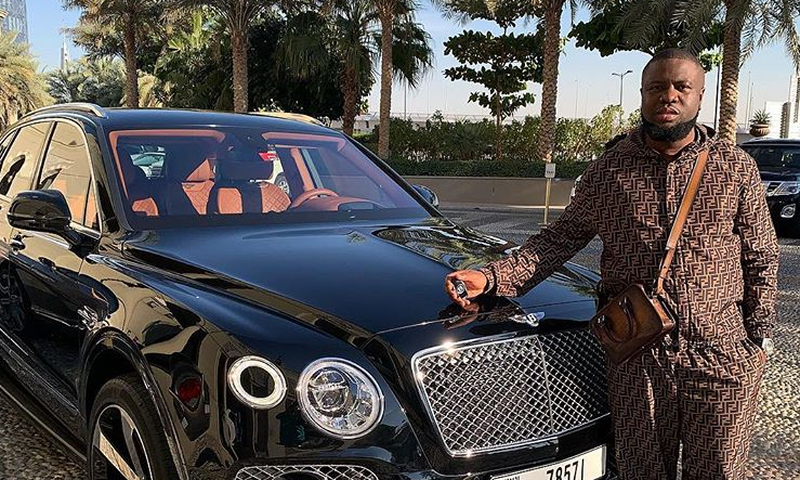
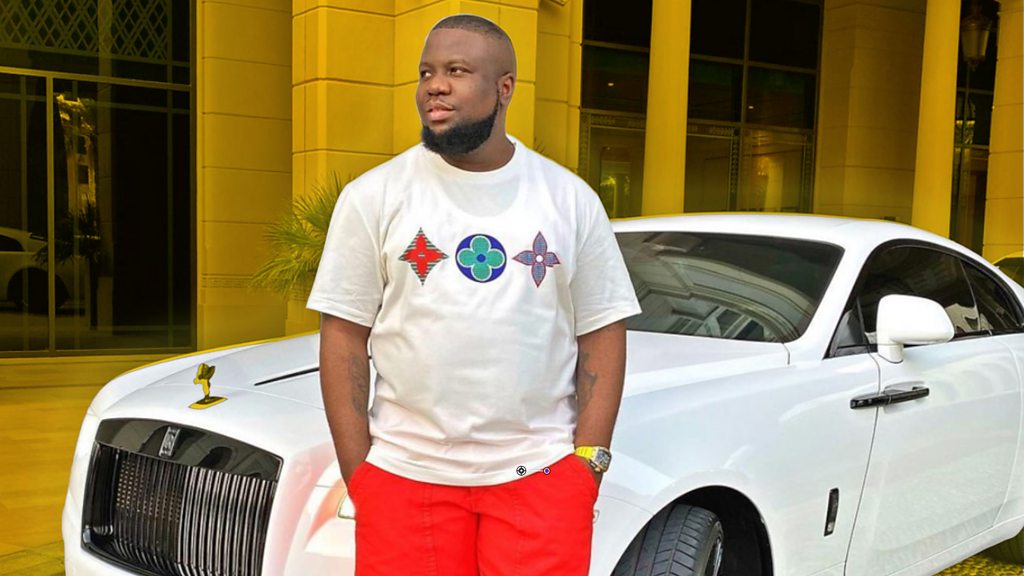
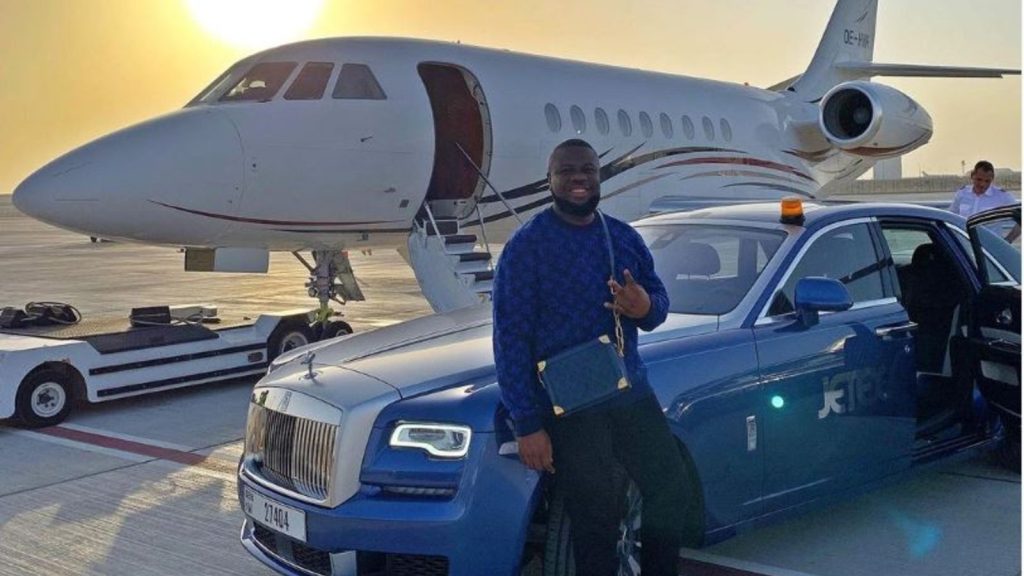
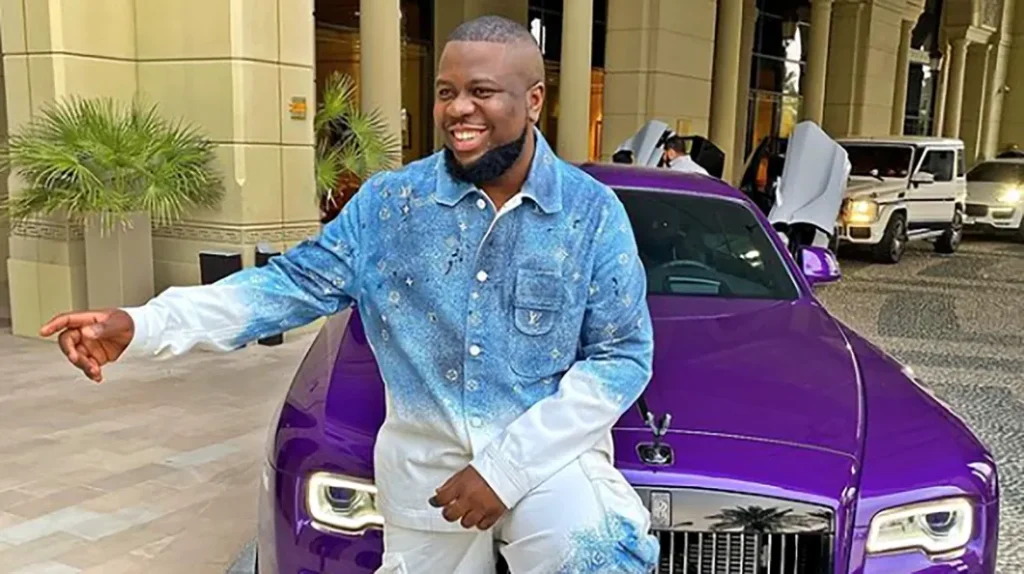
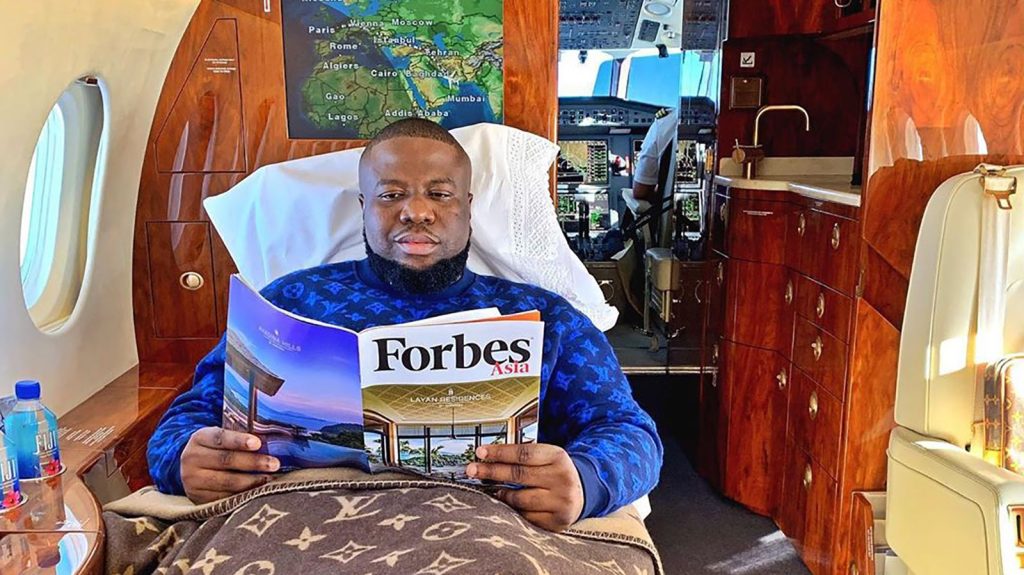
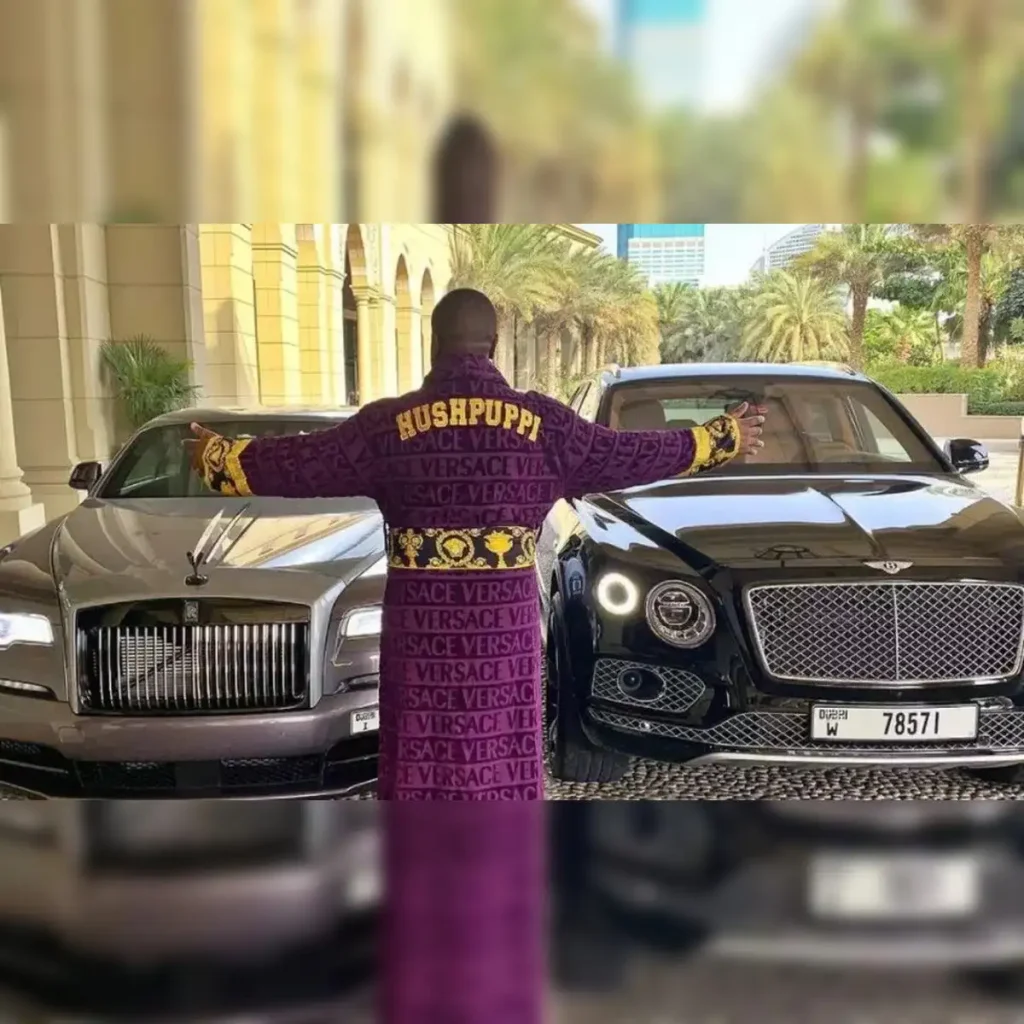
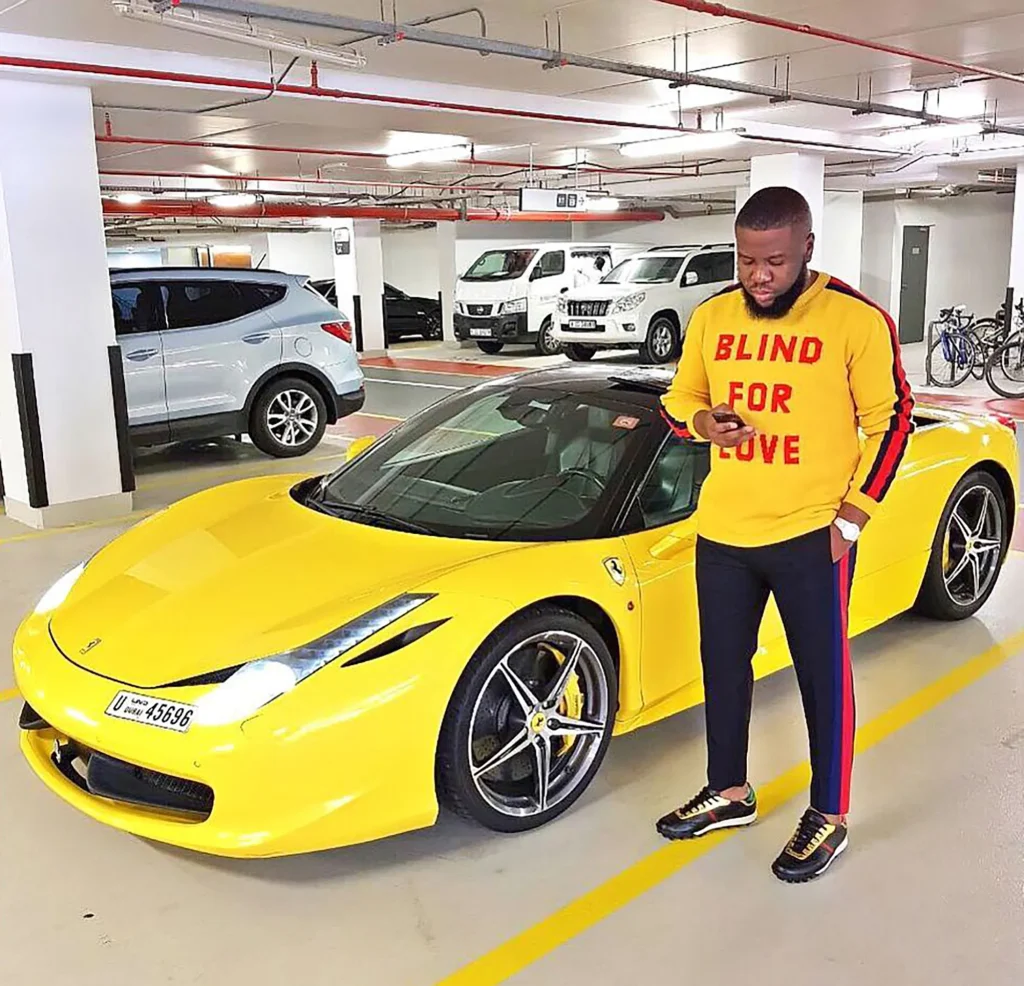
Ramon Olorunwa Abbas, better known by his Instagram alias Hushpuppi, was born in Lagos State, Nigeria, on October 11, 1982. He grew up in modest conditions, reportedly working as a second-hand clothes seller in Lagos before rising to fame. His close associate, Mompha, claimed that Abbas’ father was a taxi driver, and media reports described his early environment as financially strained.
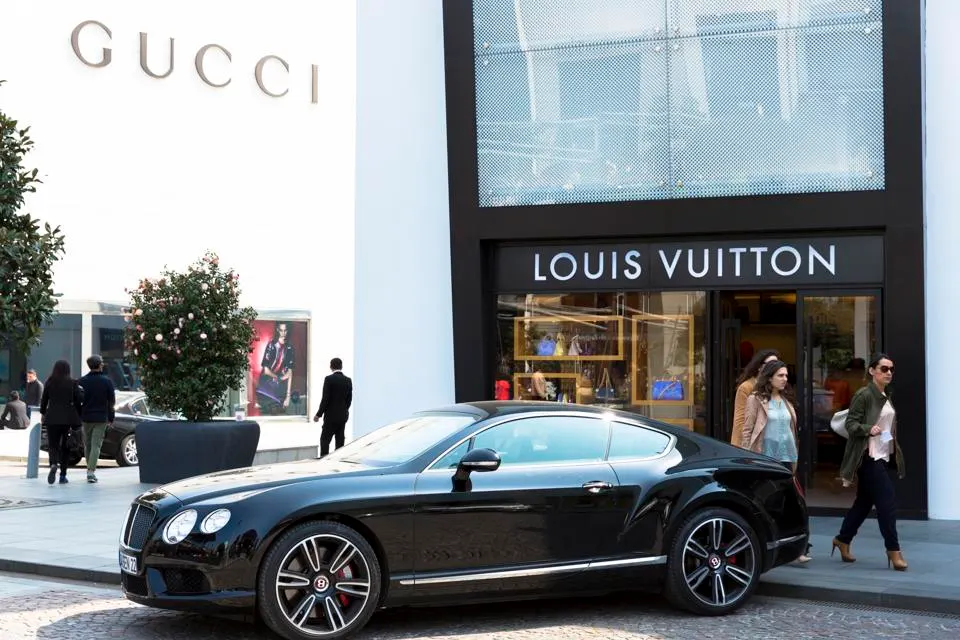
Despite these humble beginnings, Hushpuppi cultivated a persona of immense wealth. By the mid-2010s, he had become one of Nigeria’s most recognizable social media influencers, renowned for flaunting a lifestyle filled with designer fashion, exotic cars, charter jets, and lavish parties. His Instagram feed, a curated gallery of material success, featured luxury brands like Gucci, Louis Vuitton, Fendi, and Versace, earning him nicknames such as “The Billionaire Gucci Master.”
Criminal Enterprise and Lavish Deception
Behind the glamorous facade was a vast cybercrime network. Abbas allegedly ran a global syndicate involved in business email compromise (BEC) scams, phishing attacks, and money laundering schemes. He used the stolen funds to bankroll his opulent lifestyle and maintain a believable social image.
According to the FBI and Dubai Police, Abbas’ group targeted victims worldwide, including:
- A U.S. law firm, defrauded of approximately $40 million
- A foreign bank, allegedly Bank of Valletta in Malta, hit for $14.7 million
- An English Premier League club, targeted in a failed attempt to steal £100 million ($124 million)
Hushpuppi also had ties to North Korean hackers, according to U.S. federal affidavits.
Arrest and Extradition
In June 2020, Dubai Police, in collaboration with Interpol and the FBI, raided Hushpuppi’s residence at the Palazzo Versace Hotel in an operation codenamed Fox Hunt 2. Alongside his associate Olalekan Ponle (aka Mr Woodberry) and others, Abbas was arrested. Authorities seized:
- Over $40 million in cash
- 13 luxury cars worth $7 million
- 21 laptops, 47 smartphones, 15 external hard drives
- Access to 800,000 email accounts of potential victims
He was subsequently extradited to the United States in July 2020, where he faced federal charges in California.
Conviction, Sentencing, and Incarceration
Hushpuppi pleaded guilty to money laundering in July 2021. In a stunning development, he also implicated Nigeria’s Deputy Commissioner of Police, Abba Kyari, as a co-conspirator in a $1.1 million scam. Following this revelation, the FBI obtained a warrant for Kyari’s arrest.
Despite efforts to obtain bail and a defense that he was too “famous” to flee, a U.S. judge ruled him a flight risk. On November 8, 2022, he was sentenced to 135 months (11 years, 3 months) in prison. He is currently incarcerated at FCI Fort Dix, a medium-security prison in New Jersey.
Public Reactions and Cultural Impact
Hushpuppi’s case ignited fierce debates across Nigeria and beyond. On Twitter, users coined hybrid phrases like Hush Magu and Puppi Magu, drawing satirical comparisons between Hushpuppi and Ibrahim Magu, the former head of Nigeria’s anti-graft agency, EFCC—both of whom were accused of corruption.
Social media responses ranged from condemnation to glorification. Some viewed him as a digital Robin Hood, while others criticized the glamorization of cybercrime and its trivialization through memes and jokes.
Regional Divide
Studies noted a north-south divide in Nigeria’s public perception of online fraud. Southern figures like Hushpuppi were often more criminalized in media than their Northern counterparts, a discrepancy scholars link to colonial legacies and socio-political divides in Nigeria.
In the Media and Popular Culture
Hushpuppi’s dramatic life arc has inspired media projects. In November 2022, rapper and producer 50 Cent announced plans to create a TV series based on his life. Documentaries by BBC Africa and Bloomberg also chronicle his journey from Lagos to luxury and finally to prison.
Regret and Final Appeal
Ahead of his sentencing, Abbas wrote a letter to Judge Otis Wright, admitting guilt and expressing remorse for his actions. He apologized to his family and praised the FBI for their professionalism. However, this did little to change the court’s decision.
Legacy
Ramon Abbas, aka Hushpuppi, represents the darker side of internet fame—where digital status masks criminal intent. His story is a cautionary tale about the dangers of unchecked online admiration, the reach of transnational cybercrime, and the complex interplay between wealth, image, and legality.
Despite his incarceration, Hushpuppi remains a cultural symbol—reviled by some, romanticized by others, and studied by criminologists and sociologists as an embodiment of the digital age’s complexities.
Related Topics: