The fast-food industry in Kenya is booming, thanks to the increasing urbanization and a growing middle class. With the country’s expanding population and rising demand for quick, affordable meals, fast food businesses are an attractive opportunity. Africa’s fast-food market is expected to grow at a compound annual growth rate (CAGR) of 5.8% between 2021 and 2026, making it a thriving sector for aspiring entrepreneurs in Kenya. In this guide, we’ll walk you through the essential steps to successfully start and run a profitable fast-food business in Kenya.
Market Research and Business Planning for Fast Food Business in Kenya
Understanding the Kenyan Fast Food Landscape
Kenya’s fast food market is diverse, with both international chains and local eateries serving a variety of food. Popular fast food items include chips, burgers, fried chicken, pizza, sausages, and more. Understanding local tastes, urban preferences, and demographic shifts is crucial to positioning your business for success.
Conducting Competitive Analysis
Study the competition by visiting local fast-food joints. Observe their menu offerings, pricing, customer service, and foot traffic. Look for gaps in the market that you can fill by offering a unique selling proposition (USP), whether it’s your food quality, customer service, or specialized offerings.
Identifying Your Target Market
Your target market will determine your menu, pricing, and marketing efforts. Possible customer segments include:
- Office Workers: Looking for quick, affordable meals.
- Students: Interested in fast food on a budget.
- Families: Seeking convenient meal options for busy schedules.
- Shoppers/Walk-ins: Attracted to casual dining in malls and busy streets.
Creating a Detailed Business Plan
A comprehensive business plan will help guide your operations. It should include:
- Executive Summary: An overview of your fast-food concept.
- Market Analysis: Insights from your research and target market.
- Menu Concept: What food offerings you’ll provide.
- Marketing Strategy: How you plan to attract customers.
- Operational Plan: Daily business activities and staffing needs.
- Financial Projections: Startup costs, operating expenses, and revenue forecasts.
Choosing Your Fast Food Niche
Your niche will define your brand and set you apart from competitors. Popular fast food niches in Kenya include:
- Chips and Chicken: A highly popular combination in local eateries.
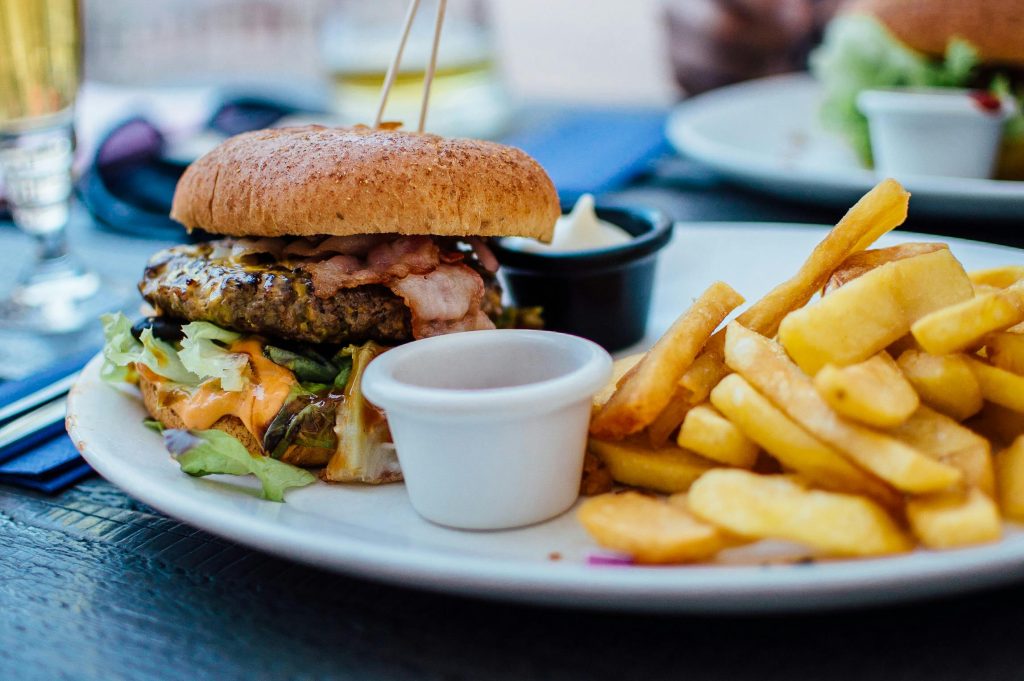
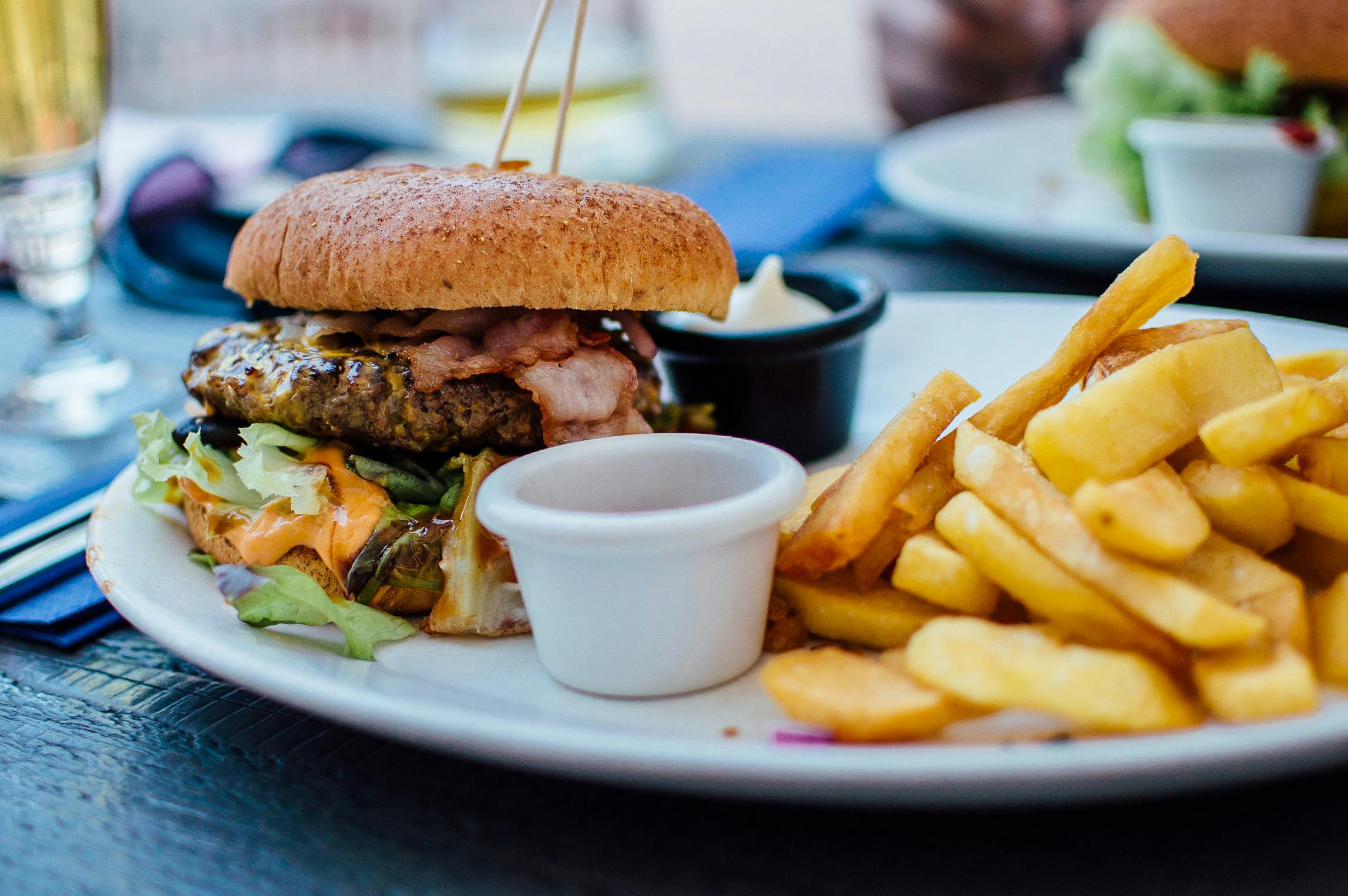
- Burgers and Fries: International-style fast food.
- Pizza and Pasta: Offering quick Italian cuisine.
- Fried Chicken: With a focus on seasoning and variety.
- Vegetarian or Healthy Fast Food: Catering to growing health-conscious customers.
Legal Requirements and Licensing
Navigating the Legal Landscape
To operate legally, you need to ensure your business is registered and compliant with local regulations:
- Business Registration: Register your business name through the Registrar of Companies (via e-Citizen).
- Tax Compliance: Obtain a Personal Identification Number (PIN) from the Kenya Revenue Authority (KRA).
- Permits and Licenses: You’ll need a Single Business Permit from your county government, a Food Handling Permit from the Public Health Department, and a Fire Safety Certificate from the local fire department.
Obtaining Necessary Permits and Licenses
Ensure you have the following:
- Single Business Permit: Covers approval to operate.
- Health and Safety Compliance: Ensure hygiene standards and food safety practices are met.
- Environmental Permits: If your business involves waste disposal, you may need an environmental impact assessment from NEMA.
- Fire Safety Certification: Required for compliance with fire safety regulations.
Insurance Coverage
It’s important to have the following insurance to protect your business:
- General Liability Insurance: Covers any damages or injuries.
- Property Insurance: Protects your equipment and premises.
- Workers’ Compensation Insurance: Covers employee-related accidents.
Location and Setup for Fast Food Business in Kenya
Choosing the Perfect Spot
Location is key to attracting customers. Look for spots with high foot traffic, such as:
- Near office complexes, schools, or malls
- Along busy streets or in shopping centers
- Proximity to parking areas and public transport is essential for easy access.
Essential Location Requirements
- Space: Ensure enough room for food preparation, storage, and seating (if you plan to offer dine-in options).
- Visibility: Choose a location that is easily visible to passersby.
- Accessibility: Make sure it’s easily accessible by foot and car.
Interior Design and Setup
The interior layout should be clean and welcoming. Essential elements include:
- Cooking and Preparation Area: Equipped with cooking utensils, stoves, fryers, and refrigeration.
- Dining Space: Comfortable seating for customers if you plan to have dine-in facilities.
- Point of Sale (POS) System: Invest in a POS system for efficient transactions and inventory management.
Menu Development and Pricing for Fast Food Business in Kenya
Crafting an Appealing Menu
Create a menu that appeals to your target audience. Offer a balance of popular items and unique options:
- Include local favorites like chips and chicken, nyama choma, and samosas.
- Offer drinks like sodas, fruit juices, and bottled water.
- Ensure portions are generous but cost-effective.
Setting Competitive Prices
Consider the following when setting prices:
- Cost of Goods Sold (COGS): Ensure prices cover food costs and generate profit.
- Competitor Pricing: Stay competitive but avoid underpricing your products.
- Customer Preferences: Balance affordability with quality.
Staffing and Operations
Building a Strong Team
Your team plays a significant role in the success of your fast food business. Key positions to fill include:
- Cooks and Food Preparers: Skilled in food preparation and hygiene practices.
- Cashiers and Front-of-House Staff: For smooth service and customer interactions.
- Cleaning and Maintenance Personnel: To keep the environment clean and hygienic.
Training for Excellence
Invest in comprehensive training covering:
- Food Preparation: Ensure staff follows standardized recipes.
- Customer Service: Train staff in customer engagement and problem-solving.
- Hygiene and Safety: Emphasize cleanliness and food handling practices.
Marketing Strategies for Your Fast Food Business
Building Your Brand Online
Create a strong online presence by:
- Social Media: Use platforms like Facebook, Instagram, and Twitter to engage with customers, share promotions, and showcase your food.
- Google My Business: Register your business to improve visibility and allow customers to leave reviews.
- Website: Consider setting up a website with your menu, pricing, and delivery options.
Offline Marketing Techniques
Traditional marketing methods still work effectively:
- Distribute flyers and posters in local neighborhoods and commercial areas.
- Participate in community events to promote your brand.
- Offer promotions and loyalty programs to attract repeat customers.
Creating a Strong Brand Identity
Your branding should be consistent across all channels, from your store design to your social media presence. Invest in professional branding, including:
- Logo Design
- Tagline that communicates your unique value
- Packaging and uniforms that align with your brand identity
Common Challenges and Solutions Facing Fast Food Business in Kenya
- High Competition
Solution: Differentiate by offering unique menu items, excellent service, and loyalty programs. - Fluctuating Food Costs
Solution: Build relationships with multiple suppliers and buy in bulk to secure lower prices. - Staff Turnover
Solution: Offer competitive wages, provide training, and create a positive work environment. - Maintaining Consistency
Solution: Standardize recipes and processes, and conduct regular staff training. - Managing Cash Flow
Solution: Keep careful track of finances, optimize spending, and run seasonal promotions to boost sales. - Health and Safety Compliance
Solution: Stay updated on regulations, ensure proper staff training, and maintain cleanliness.
Conclusion
Starting a fast food business in Kenya offers great potential, but success requires careful planning, strategic location selection, and effective marketing. By understanding your market, creating a solid business plan, complying with legal requirements, and delivering excellent service, you can establish a profitable fast food business that attracts a steady stream of customers.
Frequently Asked Questions
- What licenses are needed to open a fast food business in Kenya?
You’ll need a Single Business Permit, Food Handling Permit, and Fire Safety Certificate. - How much capital do I need to start a fast food business in Kenya?
The initial capital depends on your location and business size but typically ranges between KES 300,000 to KES 1,500,000. - How do I stand out from the competition?
Offer unique menu items, provide excellent customer service, and create a strong brand identity that resonates with your target market.