


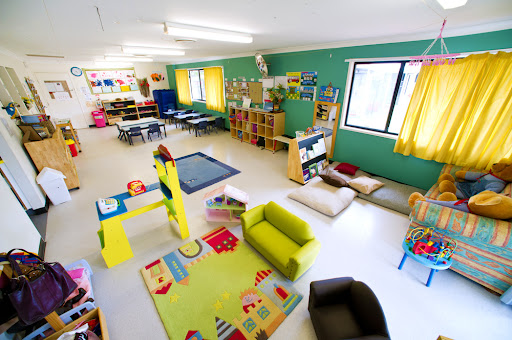
Kenya’s daycare sector has seen rapid growth, primarily driven by urbanization and the increasing number of working parents. Over 75% of urban women in Kenya are employed, creating a high demand for reliable and professional childcare services. In Nairobi alone, daycare centers increased by 45% between 2020 and 2023, reflecting the expanding market. If you’re considering entering this lucrative industry, this guide will take you through the steps to start and run a successful daycare business in Kenya.
Why Start a Daycare in Kenya?
1. Changes in Kenya’s Urban Workforce
Kenya’s urban workforce has evolved, with more families relying on dual incomes. As families become smaller and traditional childcare support fades, there’s an increasing need for professional daycare services. Longer working hours and busy schedules further drive this demand.
2. Economic Boost for Daycare
The rise of dual-income families has increased spending on quality childcare. There’s also growing recognition of early childhood education, making daycare an attractive business opportunity. As Kenya’s urban centers expand, so does the need for accessible and reliable childcare.
3. Gaps and Opportunities in the Market
The daycare sector in Kenya has untapped opportunities, including areas with few daycare options or high demand for specialized care. For instance, neighborhoods in suburban areas and business hubs are in need of daycare services. Additionally, niche services like bilingual programs, special needs care, and infant care can differentiate your daycare business.
4. Business Advantages
- Steady Income: The business offers consistent, year-round income.
- Low Seasonality: Unlike some other businesses, daycare services see demand throughout the year, including during holidays and school breaks.
- Scalability: The business can start small and scale up with demand, including the option to franchise.
5. Social Impact and Recognition
Daycare businesses have a profound impact on the community by supporting working parents, contributing to early childhood education, and creating jobs. Additionally, successful daycare centers often gain recognition as leaders in early childhood development, which can lead to networking opportunities and community engagement.
Starting a Profitable Daycare Business with Zero Experience
This business can be started even if you have no prior experience in childcare. The steps are straightforward and the demand for quality daycare is high. Here’s what you need to know to earn Ksh.100,000 monthly from a daycare business:
- Market Research: Study your local market to understand customer preferences and competitors.
- Legal Compliance: Ensure all legal requirements are met, including health and safety regulations.
- Location: Choose a location that is easily accessible to working parents and in an area with a high density of families.
- Staffing: Hire qualified, compassionate staff who are trained in early childhood education and first aid.
- Marketing: Use both digital and traditional marketing to attract and retain customers.
Future Growth Potential for Daycare Business in Kenya
As the economy continues to grow and urbanization spreads, the demand for daycare services is expected to rise. Kenya’s growing middle class and increasing number of working parents create significant opportunities for daycare providers. You can expand your daycare business by adding more locations, diversifying your services, and offering unique programs that cater to different age groups.
What You Need to Start a Daycare in Kenya
Legal Requirements
- Business Registration: Register your business with the Registrar of Companies through the e-Citizen portal.
- Health and Safety: Obtain a food handling license and health certificate for your daycare center.
- Fire Safety Certificate: Get this from the local fire department.
- Insurance: Protect your business and staff with appropriate insurance, including liability and worker’s compensation.
Physical Setup
Your daycare must be safe, clean, and comfortable. Essential requirements include:
- Proper Ventilation and Lighting: Ensure the building is well-ventilated and has sufficient natural light.
- Safety Features: Secure electrical outlets, gates, and a clean environment.
- Outdoor Play Area: Provide a safe, age-appropriate outdoor space for children to play.
Services You Can Offer
- Infant Care (0-12 months): Offering a safe and nurturing environment for babies.
- Toddler Care (1-3 years): Focusing on early learning activities and development.
- Preschool Care (3-5 years): Providing educational programs that prepare children for school.
- After-School Care: Catering to school-age children during working hours.
- Special Needs Care: Offering specialized services for children with disabilities or developmental delays.
Pricing Your Daycare Services
Pricing Factors
When setting your prices, consider the following:
- Cost of Operations: Include rent, salaries, utilities, and supplies.
- Market Rates: Research what other daycares charge in your area.
- Target Market’s Spending Power: Set prices that align with what families can afford while ensuring profitability.
Pricing Models
- Monthly: Most common pricing model.
- Weekly/ Daily Rates: Offering flexible pricing for short-term care.
- Premium Services: Charge extra for extended hours, special programs, or transport services.
Common Problems and Solutions in Daycare Business in Kenya
1. Financial Management Challenges
Problems: Cash flow issues, unexpected repairs, and seasonal enrollment changes.
Solutions: Implement strict payment deadlines, keep an emergency fund, and offer extra services like holiday camps.
2. Staffing Challenges
Problems: High staff turnover and inconsistent performance.
Solutions: Offer competitive wages, create a positive work environment, and provide continuous training.
3. Safety and Health Management
Problems: Preventing accidents and managing health emergencies.
Solutions: Establish clear safety protocols, conduct regular safety audits, and maintain a clean and hygienic environment.
4. Parent-Related Challenges
Problems: Late pickups and poor communication with parents.
Solutions: Set clear policies, charge late fees, and improve communication through digital platforms.
5. Competition and Enrollment Management
Problems: Competition from other daycare centers and fluctuating enrollments.
Solutions: Offer unique services, build a strong brand, and promote your daycare through word-of-mouth and community involvement.
Success Story: Little Angels Daycare, Nairobi
Journey: Little Angels Daycare, established in Kilimani, Nairobi, started with just 5 children in 2019. Today, they care for 45 families and have 12 trained staff members.
Why They Succeeded:
- Focus on high-quality service and safety
- Excellent communication with parents
- Continuous staff training and development
What We Can Learn:
- Start small and scale up
- Focus on quality service
- Build strong relationships with parents
- Stay flexible and adaptable to changes
Conclusion
Starting a daycare business in Kenya offers a promising opportunity due to the growing demand for quality childcare services. With the right approach, planning, and investment, you can build a successful daycare business that earns consistent income while making a positive impact on the community. Ensure legal compliance, hire qualified staff, and offer excellent customer service to stand out in this competitive industry.
Frequently Asked Questions
1. How much does it cost to start a daycare in Kenya?
Starting a daycare business in Kenya can cost between Ksh 100,000 and Ksh 500,000 depending on the size of the daycare, location, and services offered.
2. How do I find staff for my daycare?
Look for candidates with early childhood education training and first aid certifications. You can also post job listings on local job boards or reach out to educational institutions.
3. What licenses do I need to operate a daycare in Kenya?
You’ll need a business permit, health certificate, fire safety certificate, and food handling permit from local authorities to operate legally.


