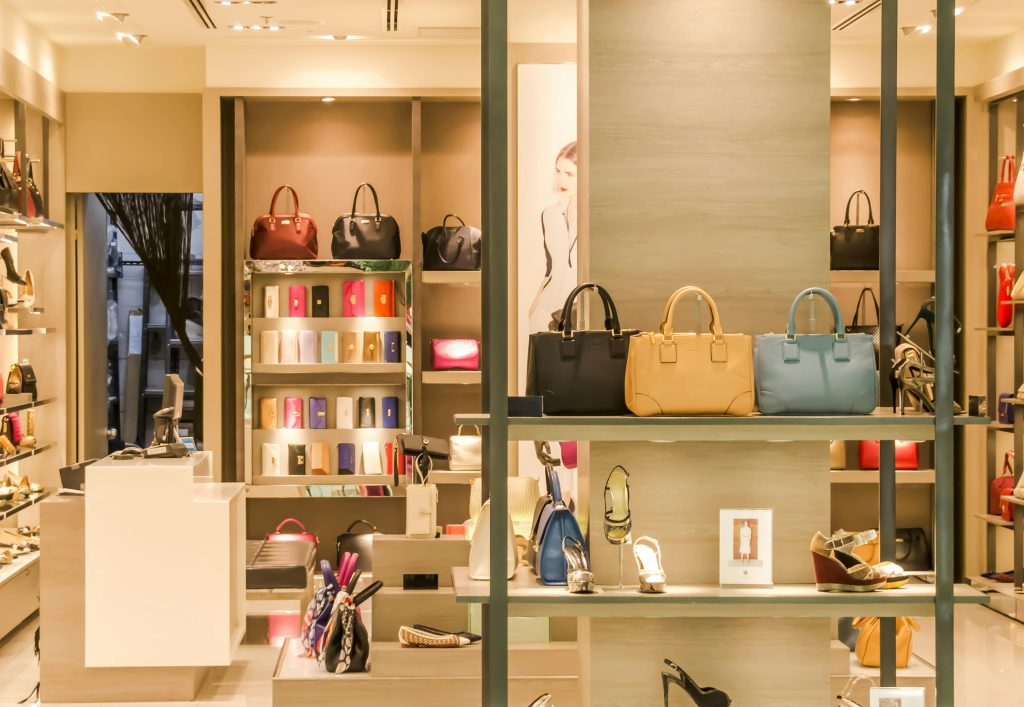
The boutique business in Kenya is thriving, thanks to the country’s growing middle class and increasing demand for personalized shopping experiences. Kenya’s fashion retail industry saw a 35% growth between 2020 and 2023, with boutique businesses accounting for a significant portion of that growth. With an increasing focus on African fashion and an evolving consumer base, now is an ideal time to start your own boutique business.
This guide will walk you through everything you need to know about launching and running a successful boutique business in Kenya, including market research, legal requirements, setup, pricing, marketing strategies, and how to overcome common challenges.
Why Start a Boutique Business in Kenya?
Growing Demand
With Kenya’s expanding middle class, more people have disposable income to spend on fashion. The fashion retail market has seen consistent growth, with consumers now prioritizing unique, high-quality clothing.
Business Benefits
- Low Startup Costs: Compared to larger retail stores, starting a boutique requires less capital.
- Adaptability: You can easily adapt to new fashion trends and offer exclusive or niche products.
- Multiple Revenue Streams: A boutique allows you to operate both online and offline, expanding your reach.
Market Opportunities
- Fashion Diversity: There’s a growing market for African fashion, as well as international clothing.
- Sustainability: More customers are opting for eco-friendly and sustainable fashion choices.
- Custom and Unique Apparel: Customers are increasingly looking for personalized, one-of-a-kind items.
Finding Your Boutique’s Niche and Target Market
Popular Niches in Kenya
- Modern African fusion wear
- High-end western fashion
- Maternity and children’s clothing
- Formal and office wear
- Accessories and jewelry
- Eco-friendly fashion
Understanding Your Target Market
Knowing your customers is key to success. Factors to consider include:
- Age and Lifestyle: Who are your customers? Are they students, young professionals, or families?
- Spending Power: What can they afford to spend on clothing?
- Fashion Preferences: What types of clothing do they want? How do they prefer to shop?
Setting Up Your Boutique
Legal Requirements and Licensing
Before starting your boutique, ensure you’re compliant with local regulations:
- Business Registration: Register your business with the Registrar of Companies via the e-Citizen portal.
- KRA PIN: Obtain a Kenya Revenue Authority (KRA) PIN for tax purposes.
- Single Business Permit: Apply for a permit from your local county office.
- Food and Hygiene License (if applicable): Required if you’re selling food or cosmetics alongside clothing.
- Fire Safety Certification: Ensure you have a valid fire safety certificate from the local fire department.
Setting Up Your Physical Store
- Choose a Great Location: Opt for areas with high foot traffic, such as shopping malls, busy streets, or near schools and offices.
- Store Design: Make sure your store layout is inviting, with ample display space, fitting rooms, mirrors, and good lighting.
- Inventory Management: Keep track of your stock with inventory software and regularly restock best-selling items.
Managing Your Inventory
- Supplier Relationships: Build strong relationships with suppliers to ensure quality and timely delivery.
- Seasonal Planning: Stock seasonal items and forecast demand accordingly.
Choosing Your Business Model: Physical Store or Online Store
A. Physical Store
Advantages:
- Customer Experience: Direct interaction with customers allows you to offer personalized styling services and foster strong relationships.
- Instant Satisfaction: Customers can see, touch, and try on clothing before making a purchase.
Challenges:
- High Operating Costs: Rent, utilities, and security can be expensive.
- Staffing: Managing staff and ensuring high service levels can be challenging.
B. Online Store
Advantages:
- Wider Reach: Sell to customers across Kenya and internationally.
- Lower Costs: No rent, fewer staff, and less overhead.
Challenges:
- Shipping and Delivery: Handling shipping and returns can be tricky.
- Customer Experience: Limited ability to interact personally with customers.
C. Hybrid Model (Physical + Online)
Benefits:
- Broader Market Reach: Tap into both local foot traffic and online customers.
- Multiple Revenue Streams: Generate income through in-store sales and online orders.
Marketing Your Boutique Business
1. Digital Marketing Strategies
- Social Media: Engage with your audience on platforms like Instagram, Facebook, and TikTok. Share product images, styling tips, and customer testimonials.
- Website: Create a professional website with an online store. Ensure it’s mobile-friendly and easy to navigate.
- Influencer Marketing: Partner with local fashion influencers to promote your boutique.
2. Traditional Marketing Approaches
- Flyers and Posters: Distribute in high-traffic areas like malls and residential estates.
- Community Engagement: Sponsor local events or partner with other businesses.
- Word-of-Mouth: Encourage satisfied customers to spread the word.
3. Customer Engagement
- Loyalty Programs: Offer discounts or points for repeat customers.
- Exclusive Previews: Host events where VIP customers can preview new collections.
- Styling Workshops: Organize events to educate customers on how to wear your products.
Pricing Strategies for Your Boutique Business in Kenya
- Consider Product Costs: Price based on how much it costs to source the product, including shipping and import fees.
- Market Research: Study competitors’ pricing and adjust accordingly to remain competitive.
- Offer Different Pricing Models: Use tiered pricing for high-end products, offer discounts on bulk buys, or run promotions during holidays.
Challenges in Running a Boutique Business in Kenya
1. Finding the Right Location
Solution: Research foot traffic in potential locations and negotiate favorable lease terms.
2. Managing Inventory
Solution: Use inventory management software to track stock levels and anticipate demand.
3. Dealing with Competition
Solution: Create a unique selling proposition (USP), offer excellent customer service, and differentiate your store with exclusive products.
4. Seasonal Demand
Solution: Plan for peak and off-peak seasons by adjusting inventory and pricing strategies accordingly.
5. Staff Training and Retention
Solution: Offer competitive wages, ongoing training, and career advancement opportunities to retain skilled staff.
Success Story: African Yuva Fashion Boutique
Their Journey:
African Yuva started in 2018 with a small shop in Westlands, Nairobi. Today, they have expanded both locally and online, specializing in modern African fusion wear.
Why They Succeeded:
- Strong Brand Identity: They built a unique brand focused on African-inspired fashion.
- Quality Products and Customer Service: They consistently provided excellent service and high-quality products.
- Effective Use of Social Media: Their social media marketing helped them reach a broader audience.
What We Can Learn:
- Start Small, Plan to Grow: Start with a small budget but aim for steady growth.
- Customer Experience: Focus on providing a great customer experience.
- Flexibility: Be ready to adapt to changing trends and customer preferences.
Conclusion
Starting a boutique business in Kenya offers vast potential, given the growing demand for fashion. By following the steps in this guide—understanding your market, setting up a solid business, choosing the right location, pricing strategically, and engaging customers—you can create a profitable and sustainable boutique. Whether you choose a physical store, an online platform, or a hybrid model, success in the boutique business is achievable with careful planning and dedication.
Frequently Asked Questions
1. How much does it cost to start a boutique in Kenya?
The cost to start a boutique in Kenya can range from Ksh 100,000 to Ksh 1,000,000 depending on location, stock, and business model.
2. Where can I source clothes to sell in my boutique in Kenya?
You can source clothes from local Kenyan designers, Nairobi’s Eastleigh market, or import them from suppliers in China, Turkey, and Dubai.
3. What licenses do I need to open a boutique in Kenya?
You need a business permit, KRA PIN, and possibly an import declaration form (IDF) if you’re importing goods.