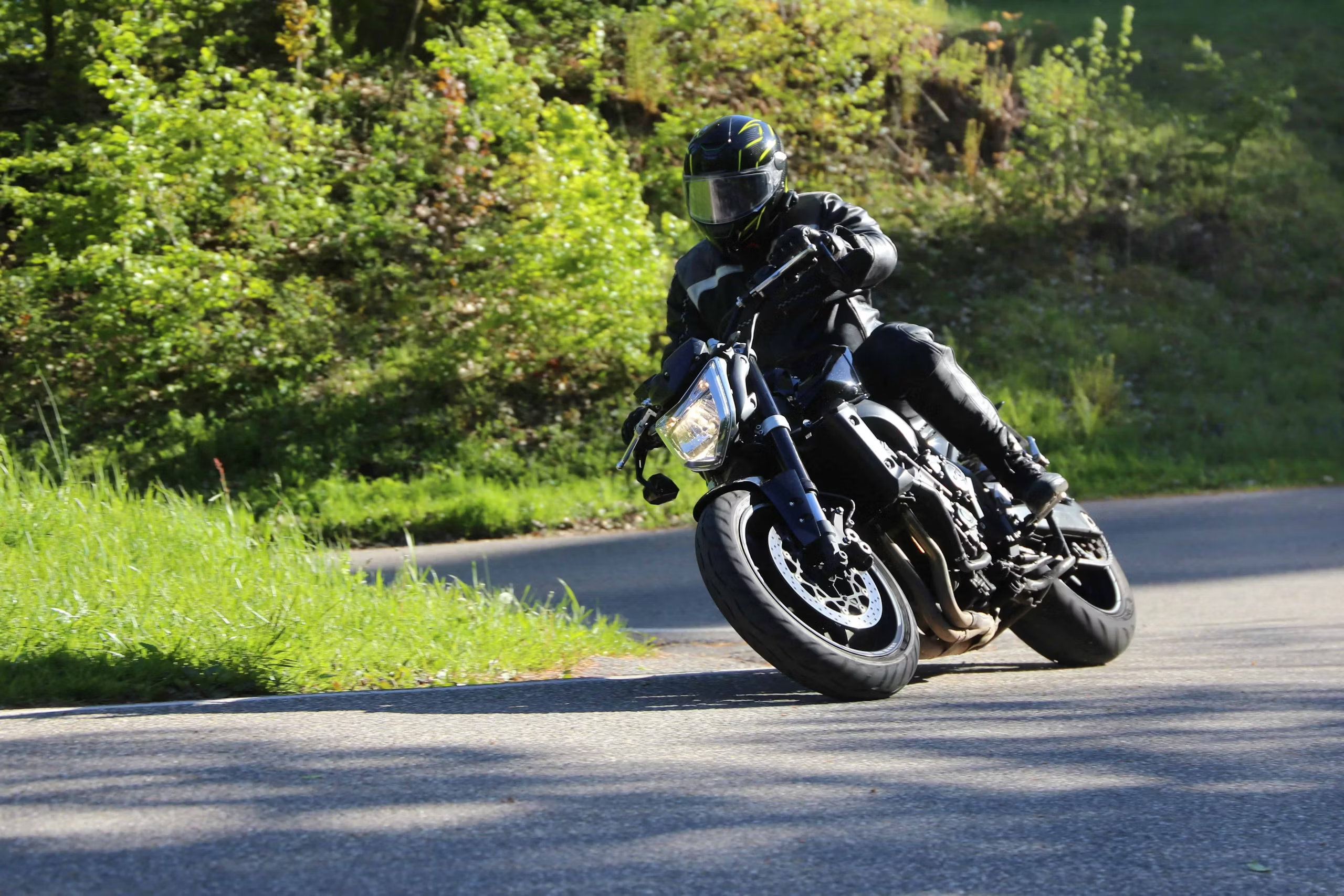
Learning to ride a motorcycle is one of the most thrilling skills you can develop, offering freedom and excitement on the open road. However, before revving the engine, it’s important to learn the basics in a safe and structured way. This step-by-step guide walks beginners through the gear they’ll need, how to handle the bike, and practical riding techniques that build confidence and control.
Guide Table: Steps to Ride a Motorcycle for Beginners
| Step | Focus Area | Key Tips |
|---|---|---|
| 1 | Get Proper Gear | Wear a DOT or ECE-approved helmet, gloves, jacket, and boots. |
| 2 | Learn Motorcycle Controls | Understand clutch, throttle, brakes, and gear shifting. |
| 3 | Start the Engine | Use the clutch and start switch correctly before takeoff. |
| 4 | Practice Clutch and Balance | “Power walk” the bike to build confidence. |
| 5 | Ride in a Straight Line | Engage first gear, release clutch, and accelerate smoothly. |
| 6 | Shift Gears | Learn smooth upshifting and downshifting without jerking. |
| 7 | Turn Safely | Use countersteering, look through the turn, and keep balance. |
| 8 | Brake Correctly | Apply front and rear brakes gradually to stop safely. |
Getting the Right Gear
1. Helmet
A quality motorcycle helmet is your most critical safety gear. Choose one certified by DOT or ECE, and ensure it fits snugly above your eyebrows. A full-face helmet provides the best protection from debris and impacts. Avoid riding without a helmet—it can lead to serious injury or fines.
2. Jacket and Clothing
Wear a motorcycle-specific jacket made from leather or Kevlar, ideally with CE-approved armor. It protects your torso and internal organs in case of an accident. Ensure your jacket fits snugly yet allows free arm movement. Avoid regular leather jackets as they lack reinforced protection.
3. Gloves, Boots, and Pants
Gloves protect your hands from debris and improve grip. Choose gloves with wrist straps and padding.
Motorcycle boots should cover the ankle, have non-slip soles, and resist twisting during a crash.
Pants should be made of abrasion-resistant material rather than jeans for maximum protection.
Learning to Ride
1. Take a Motorcycle Safety Course
Before heading onto the road, enroll in a certified motorcycle safety course. Instructors teach braking, balance, and turning techniques while providing access to practice bikes. Many states also require this course for licensing.
2. Learn the Controls
Familiarize yourself with essential controls before starting the engine:
- Clutch lever (left handlebar) disengages power for gear changes.
- Throttle (right handlebar) controls acceleration.
- Gear shifter (left foot) changes gears up and down.
- Front brake lever (right handlebar) and rear brake pedal (right foot) manage stopping.
Remember: the left side controls gears, while the right side controls speed and brakes.
3. Get On the Bike Properly
Approach from the left side, hold the handlebar, and swing your right leg over the seat. Keep your feet flat and ensure the kickstand is up. Adjust your position so you can comfortably reach all controls.
Driving the Motorcycle
1. Start the Engine
Turn the ignition key on, ensure the bike is in neutral, and pull the clutch lever before pressing the start button. Let the engine warm up for about 45 seconds before riding.
2. Practice “Power Walking”
With the clutch partially engaged, allow the bike to move slowly while keeping your feet down. This teaches throttle control and balance.
3. Move Forward
Shift into 1st gear, gently release the clutch, and roll the throttle back slightly to move. Lift your feet onto the pegs once balanced.
4. Shift Gears Smoothly
When the engine revs high, pull in the clutch, release the throttle, and shift up to 2nd gear using your left foot. Ease out the clutch and accelerate. Repeat for higher gears. Downshift when slowing to maintain control.
5. Turning the Motorcycle
To turn safely, use countersteering—push down slightly on the handlebar in the direction of your turn. Always look through the turn and avoid braking mid-turn. Smoothly roll on the throttle as you exit the curve.
6. Braking and Stopping
Use both brakes simultaneously for balanced stopping.
- Begin with the front brake, then gradually apply the rear brake.
- Avoid abrupt braking to prevent skidding.
- Downshift as you slow, keeping your clutch engaged.
Once stopped, plant your feet firmly on the ground.
Tips
- Always look ahead, not down, while riding.
- Check tire pressure and fluid levels before every ride.
- Stay visible—use reflective gear and keep headlights on.
- Practice in an open area before entering traffic.
Warnings
- Never ride without protective gear.
- Avoid alcohol or distractions before riding.
- Don’t exceed your skill level—speed control saves lives.
- Stay alert for debris, potholes, and sudden lane changes.
Learning how to ride a motorcycle safely takes patience, balance, and consistent practice. With proper gear, control knowledge, and disciplined training, you’ll soon enjoy the freedom of the open road with confidence.