Responsibility is a valuable trait that shows maturity, reliability, and integrity. It’s not just about completing your daily tasks but also about making good decisions, being accountable for your actions, and positively contributing to society. Here’s how you can demonstrate responsibility in different areas of your life.
1. Practicing Responsibility in Daily Life
✅ Stay Organized & Plan Your Daily Routine
- Create a schedule to manage your time effectively.
- Prioritize important tasks like school, work, and chores before entertainment.
- Use a planner, calendar app, or to-do list to keep track of responsibilities.
🔹 Example: Instead of rushing through homework at the last minute, set aside a specific time each day to complete it properly.
✅ Be Reliable & Keep Your Commitments
- Always follow through on what you say you will do.
- Show up on time for school, work, or appointments.
- Avoid overcommitting—say no if you can’t handle extra responsibilities.
🔹 Example: If you promised to help a friend move, don’t cancel at the last minute unless it’s an emergency.
✅ Practice Self-Control & Avoid Impulsive Actions
- Think before you act—consider consequences before making decisions.
- Avoid impulsive spending or getting into unnecessary conflicts.
- Keep your emotions in check to handle situations calmly.
🔹 Example: Instead of buying expensive clothes you don’t need, save your money for more important purchases.
✅ Be Disciplined & Consistent
- Complete your tasks, even when you don’t feel like it.
- Stick to healthy routines, like exercise, proper sleep, and eating well.
- Limit distractions like social media when focusing on important tasks.
🔹 Example: Turn off notifications while studying to stay focused and finish your work efficiently.
✅ Demonstrate Responsibility Every Day
- Make responsibility a habit, not just a one-time effort.
- Stay consistent in your actions so people can depend on you.
- Learn from mistakes and improve continuously.
🔹 Example: If you missed a deadline at work or school, apologize and find ways to avoid it happening again.
2. Being Responsible in Your Interactions with Others
✅ Think About Consequences Before Speaking or Acting
- Consider how your actions affect others before making decisions.
- Avoid hurting people’s feelings or making reckless choices.
- Be mindful of your words to avoid conflicts.
🔹 Example: If a friend makes you angry, take a deep breath before responding instead of reacting impulsively.
✅ Reflect on Your Actions & Learn from Mistakes
- Acknowledge your mistakes instead of making excuses.
- Think about what went wrong and how you can improve.
- Be accountable for your actions, even when it’s difficult.
🔹 Example: If you forgot an important meeting, own up to it and set a reminder to prevent it from happening again.
✅ Be Honest & Trustworthy
- Always tell the truth, even when it’s hard.
- Avoid lying or hiding mistakes, as it damages trust.
- Be someone people can rely on for honest advice.
🔹 Example: If you break something, admit it and offer to fix or replace it, instead of covering it up.
✅ Apologize When Necessary
- If you make a mistake or hurt someone, apologize sincerely.
- Take responsibility instead of blaming others.
- Offer solutions to fix the situation.
🔹 Example: If you were late picking up a friend, say sorry and try to be punctual next time.
✅ Solve Problems Instead of Blaming Others
- Instead of pointing fingers, look for solutions to problems.
- Stay calm and constructive when resolving conflicts.
- Take responsibility for your role in a situation.
🔹 Example: If a group project isn’t going well, help find a way to organize tasks instead of just complaining.
3. Taking Responsibility for Long-Term Goals
✅ Be a Role Model for Others
- Lead by example—show responsibility through actions, not just words.
- Be kind, reliable, and respectful to inspire others.
- Set a positive example for younger siblings, friends, and coworkers.
🔹 Example: If you want your siblings to clean up after themselves, make sure you do it first.
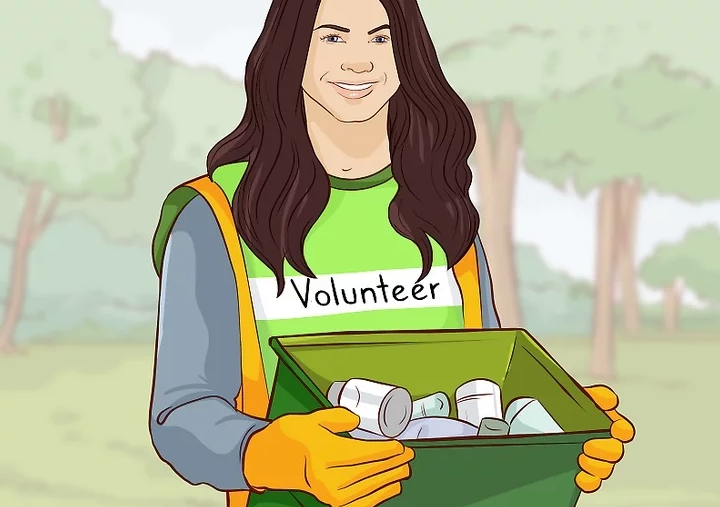
✅ Give Back to Your Community
- Volunteer at charities, shelters, or schools.
- Help clean up your neighborhood or assist those in need.
- Be an active contributor to your community.
🔹 Example: Organize a food drive for a local shelter or help tutor younger students.
✅ Take Initiative Without Being Asked
- Don’t wait for someone to tell you what to do.
- See what needs to be done and take action.
- Being proactive shows maturity and leadership.
🔹 Example: If the trash is full, take it out instead of waiting for someone else to do it.
✅ Accept What You Can’t Change & Move Forward
- Some things are beyond your control—adapt and stay positive.
- Don’t dwell on failures—learn from them and try again.
- Handle disappointments with grace and maturity.
🔹 Example: If you didn’t get a job you wanted, use the experience to improve your skills for the next opportunity.
✅ Stick to Your Long-Term Commitments
- Be dedicated to responsibilities that require ongoing effort.
- Follow through with sports, jobs, education, or volunteer work.
- If you must quit something, do so respectfully.
🔹 Example: If you join a club or team, stay committed for the season instead of quitting halfway.
Final Thoughts: How to Show Responsibility
Being responsible is about consistently making the right choices and being accountable for your actions. It’s not always easy, but practicing these habits daily will make you a more reliable, respected, and mature person.
✔ Plan your tasks & stay organized
✔ Follow through on commitments & be reliable
✔ Think before acting & consider consequences
✔ Be honest, apologize when needed, & solve problems
✔ Take responsibility for long-term goals & commitments
By demonstrating responsibility, you build trust, gain respect, and improve both your personal and professional relationships. Start today, and over time, responsibility will become second nature! 🚀