
Nyongesa Sande
No Result
View All Result
  • News
    • World
    • Africa
  • Politics
  • Business
  • Tech
  • AI
  • Telecom
  • Sports
  • Opinion
  • Lifestyle
  • Live
  • World Cup 2026
    • World Cup 2026 Standings
    • World Cup 2026
Nyongesa Sande
  • About Us
    • Nyosake Designers
      • Nyosake Webmasters
      • Nyosake Investment
  • Contact Us
    • Newsroom Contact
  • Ownership Disclosure
  • Advertise
No Result
View All Result
Nyongesa Sande
No Result
View All Result
  • News
  • Politics
  • Business
  • Tech
  • AI
  • Telecom
  • Sports
  • Opinion
  • Lifestyle
  • Live
  • World Cup 2026
ADVERTISEMENT

Home » How to Connect an RV to Power

How to Connect an RV to Power

Step-by-step guide to safely plug in your RV to any power source

NyongesaSande News Desk by NyongesaSande News Desk
9 months ago
in How To
Reading Time: 4 mins read
A A
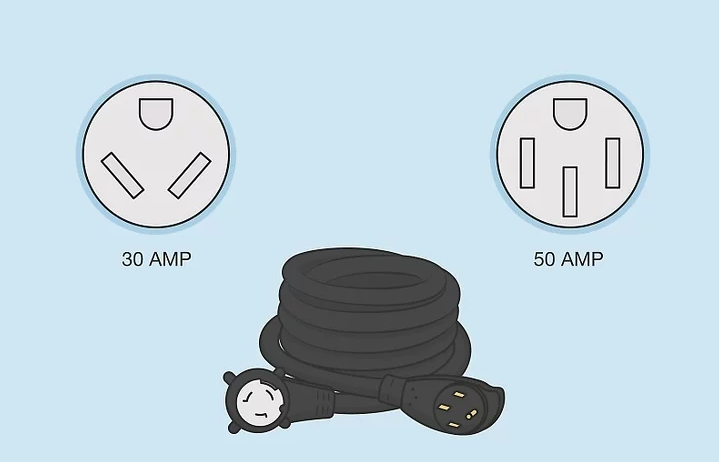
Illustration showing 30 AMP and 50 AMP RV plug types with a coiled power cord for connecting to shore power.

Comparison between 30 AMP and 50 AMP RV plug types with a coiled power cord used for shore power connections. ©wikihow

Whether you’re camping off-grid or parked at home, knowing how to connect an RV to power is essential for running appliances and keeping batteries charged. Most RV parks and campgrounds provide power boxes with different outlet types, and even a home outlet can work if used correctly. The process is simple once you understand the amperage requirements, the right adapters, and safety steps to prevent electrical damage. Keeping the correct adapters in your RV ensures you can stay powered up wherever you travel.

  • Guide Table: How to Connect an RV to Power
  • Choosing an Adapter
  • Plugging into a 30- or 50-Amp Power Supply
  • Using a Home Electrical Outlet
  • Tips
  • Warnings

Guide Table: How to Connect an RV to Power

StepActionDescription
1. Choose the Right AdapterIdentify your RV’s power cable type.Check prongs and match with available outlets (30, 50, or 15 amps).
2. Plug into a 30- or 50-Amp SourceUse a dogbone adapter if needed.Turn off breakers before plugging in, then reconnect safely.
3. Use a Home OutletUse a 15-amp adapter carefully.Limit appliance use to avoid tripping breakers or overheating.

Choosing an Adapter

Start by examining your RV’s power cord. A 30-amp cord has three prongs (one round and two angled), while a 50-amp cord has four prongs (one round and three straight). Compare this to the available power source: campground pedestals typically have both 30- and 50-amp outlets, while home outlets are 15 or 20 amps.
If the plug types differ, use a dogbone adapter — a short cord with mismatched male and female ends. The female end connects to your RV, and the male end fits the available power supply. Choose an adapter rated for the highest available amperage to ensure a stable connection.


Plugging into a 30- or 50-Amp Power Supply

Before plugging in, switch off all electrical appliances and systems inside your RV. Turn off the power supply box breaker to prevent surges. Connect your RV’s power cable to the appropriate adapter, then plug it firmly into the matching outlet on the power pedestal. Once connected, flip the breaker back on to activate power.
This method is known as connecting to shore power, providing full electricity to your RV’s systems, including air conditioning, kitchen appliances, and outlets. If you’re using a generator instead, ensure it produces at least 3,500 watts to handle your RV’s load safely.

ADVERTISEMENT

Using a Home Electrical Outlet

To connect an RV to power at home, use a dogbone adapter with a 15-amp male end and either a 30- or 50-amp female end. Turn off your RV’s power and the corresponding home breaker before connecting. Plug the adapter into the home outlet, ensuring the connection is snug.
Because household outlets provide limited current, avoid using high-demand appliances like air conditioners. It’s ideal to use this setup for battery charging, lighting, or small electronics only. Use a heavy-duty extension cord if your RV cable doesn’t reach the outlet, and always ensure it’s rated for outdoor use.


Tips

  • Always use surge protectors to protect against voltage spikes.
  • Keep multiple adapters in your RV for different power setups.
  • A 30- or 50-amp connection allows full appliance use, while a 15-amp outlet is best for light loads.

Warnings

  • Treat all electrical wires as live, even when turned off.
  • Never overload a home outlet; it can trip breakers or cause electrical fires.
  • Avoid using worn or damaged adapters or cords.

By following these safety steps, you can confidently connect an RV to power from any source — ensuring all your systems stay powered, your batteries stay charged, and your adventures stay uninterrupted.

Share2Tweet1SendShareScanSharePinShareShare
Google Add as a Preferred Source on Google
Previous Post

How to Buy Foreclosed RVs

Next Post

How to Level a Camper

NyongesaSande News Desk

NyongesaSande News Desk

Nyongesa Sande offers diverse content across news, technology, entertainment, and more, aiming to provide readers with a wide range of informative and engaging articles. NYONGESA SANDE's dedicated team provides our audience not only with the highly relevant news but also with outstanding interactive experience.

Related Posts

How to Weld a 2-Block Rectangular Hollow Block Mold: Measurements, Materials and Step-by-Step Guide
How To

How to Weld a 2-Block Rectangular Hollow Block Mold: Measurements, Materials and Step-by-Step Guide

2 months ago
How to Create a Facebook Account on iPhone App
How To

How to Fix Facebook Confirmation Email Not Received

2 months ago
How to Create a Facebook Account on iPhone App
How To

How to Fix Facebook Confirmation Code Not Received

2 months ago
How to Create a Facebook Account on iPhone App
How To

How to Confirm Your Facebook Email or Phone Number

2 months ago
How to Create a Facebook Account on iPhone App
How To

How to Understand Your Facebook Account and Profiles

2 months ago
How to Create a Facebook Account on iPhone App
How To

How to Fix Facebook Name Not Accepted

2 months ago
Load More
Next Post
Illustration of a correctly leveled RV with its slide-out extended and a green check mark indicating proper setup.

How to Level a Camper

Illustration showing a tape measure used to measure the width of an RV awning for installation or replacement.

How to Replace an RV Awning

ADVERTISEMENT

Who We Are

Nyongesa Sande

NyongesaSande.com is a digital news and media platform covering breaking news, business, technology, AI, politics, sports, world affairs and African innovation.

News Sections

  • News
    • World
    • Africa
  • Politics
  • Business
  • Tech
  • AI
  • Telecom
  • Sports
  • Opinion
  • Lifestyle
  • Live
  • World Cup 2026
    • World Cup 2026 Standings
    • World Cup 2026

Editorial Standards

  • Editorial Policy
  • Fact Checking Policy
  • Corrections Policy
  • Ethics Policy
  • AI Usage Policy
  • News Tips
  • Submit Press Release

Legal

  • Privacy Policy
  • Terms of Use
  • Cookie Policy
  • Risk Disclaimer
  • Disclaimer
  • DMCA
  • Ad Choices

Our Company

  • About Us
    • Nyosake Designers
      • Nyosake Webmasters
      • Nyosake Investment
  • Contact Us
    • Newsroom Contact
  • Ownership Disclosure
  • Advertise
  • Privacy Policy
  • Terms of Use
  • Cookie Policy
  • Risk Disclaimer
  • Disclaimer
  • DMCA
  • Ad Choices

NyongesaSande.com is an independent digital news and media platform covering Africa, business, technology, AI, politics and global developments.

© 2026 NyongesaSande.com. All rights reserved.

No Result
View All Result
  • News
    • World
    • Africa
  • Politics
  • Business
  • Tech
  • AI
  • Telecom
  • Sports
  • Opinion
  • Lifestyle
  • Live
  • World Cup 2026
    • World Cup 2026 Standings
    • World Cup 2026

NyongesaSande.com is an independent digital news and media platform covering Africa, business, technology, AI, politics and global developments.

© 2026 NyongesaSande.com. All rights reserved.