The Nandi-Kisumu border dispute reflects deep-rooted historical and colonial dynamics that reshaped the region’s cultural and geographical identity. This historical narrative provides insight into how Chemelil, an area with a distinctly Kalenjin name, came to be located within Kisumu County.
Chemelil: A Kalenjin Heritage
The name Chemelil originates from the Kamelilo, a Nandi subsection that once thrived in the Nyando Plains. Known for its vast, windswept grasslands ideal for livestock grazing, Chemelil was more than just a pastoral haven—it was a cultural hub where the Kamelilo held traditional dances, a vital part of their societal structure. However, this land would eventually slip out of their control.
Colonial Railways and Land Displacement
The Arrival of the Railway
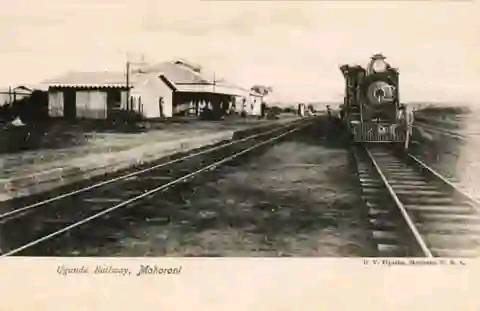
The turning point in the Nandi’s connection to Chemelil began with the construction of the Uganda Railway in the early 1900s. By 1900, railway engineers had descended into the Nyando Plains, navigating the hostile terrain to complete the final stretch to Lake Victoria. The plains, then inhabited by the Nandi and Kipsigis, offered no alternative routes to the lake.
British Negotiations
To pave the way for railway construction, British political officer Charles W. Hobley was tasked with negotiating with the Nandi. Hobley met with the Nandi spiritual leaders, including Koitalel Araap Samoei, his brother Kipchomber, and their cousin Kibeles. Historical accounts (Eliot, 1905; Hobley, 1903) reveal that these leaders reluctantly granted the British access to the lowlands for railway construction. By December 1901, the railway had reached the lake, transforming the landscape forever.
The Transformation of Kisumu
Kesumo: The Place of Barter
The area now known as Kisumu was initially called Kesumo by the Nandi, meaning “the place of barter.” It was a significant trading hub where the Nandi and Luo exchanged goods. The British renamed it Kisumu and later referred to the larger region as Kavirondo, derived from the Nandi term Kapkirondio, meaning “the place of bulrushes or reeds.” These names reflected the natural features and cultural significance of the region.
1906: Displacement of the Kamelilo
The completion of the railway and subsequent colonial expansion led to the forced displacement of the Kamelilo from Chemelil in 1906. This event marked the beginning of a long-standing territorial dispute as the Nandi were pushed out of their ancestral land, altering the region’s ethnic and geographical boundaries.
The Legacy of the Nandi-Kisumu Border Dispute
The Nandi-Kisumu border row remains a legacy of colonial interventions that disrupted indigenous communities. The forced clearance of Nandi lands for railway construction reshaped cultural and territorial identities, leaving lasting tensions. Chemelil, once a thriving Kalenjin hub, now stands as a symbol of these historical transformations.
Conclusion
The Nandi-Kisumu border dispute reflects the enduring impact of colonial history on Kenya’s cultural and geographical landscapes. Chemelil’s history as a Nandi stronghold and its transformation into part of Kisumu County underscore the profound changes imposed on indigenous communities during the colonial era.