


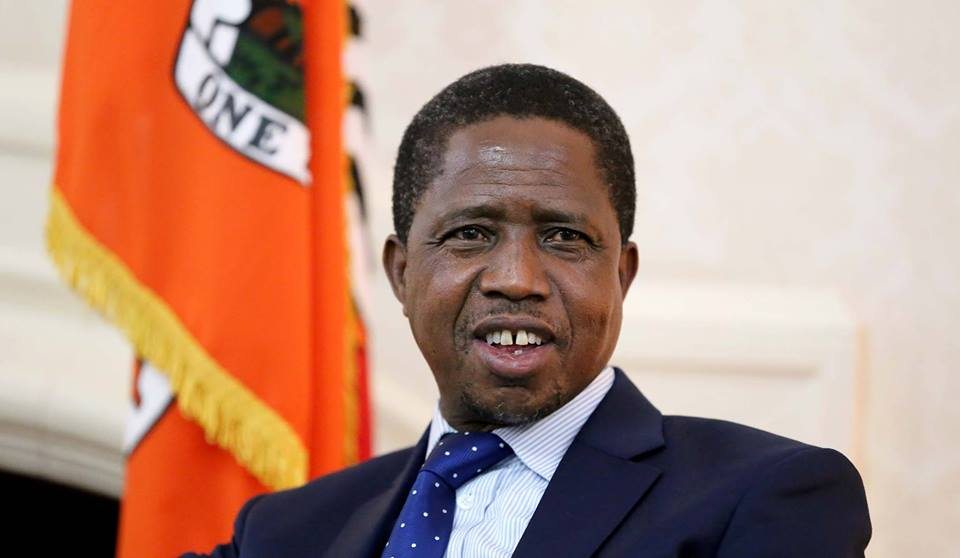
Edgar Lungu, the former President of Zambia, has passed away at the age of 68, according to his political party, the Patriotic Front. Lungu served as the head of state from 2015 to 2021, when he was defeated in the election by current President Hakainde Hichilema. The Patriotic Front confirmed that Lungu died on June 5, 2025, after receiving specialized medical treatment in South Africa.
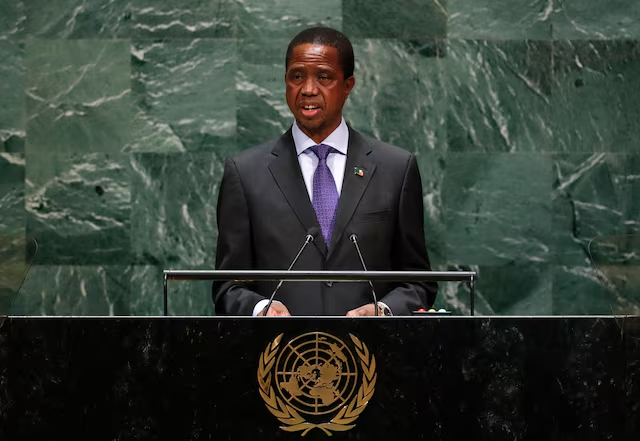
Former Zambian President Edgar Chagwa Lungu Passes Away: A Legacy of Leadership and Development
The political landscape of Zambia has been shaken by the news of Edgar Chagwa Lungu’s passing. The former president, who led Zambia from 2015 to 2021, leaves behind a legacy that will be remembered for its political and economic developments, as well as his contributions to Zambia’s standing on the African continent.
Born on November 11, 1956, in the Chama District of Zambia, Edgar Chagwa Lungu rose from humble beginnings to become the country’s sixth president. His death marks the end of an era in Zambian politics, one that has been marked by controversy, challenges, and significant strides forward.
Political Journey and Leadership Tenure
Edgar Lungu’s political journey began in the early 1990s when he first became involved in Zambia’s legal and political spheres. Lungu was a practicing lawyer before entering the political arena, first joining the Patriotic Front (PF) party led by Michael Sata. After Sata’s death in 2014, Lungu won the presidential elections that same year, succeeding Sata and taking on the leadership of Zambia in a challenging political environment.
Lungu’s first term was marked by a focus on economic diversification, particularly in the areas of mining, agriculture, and infrastructure development. He successfully increased investment in infrastructure, including the construction of roads, bridges, and airports, which played a significant role in enhancing Zambia’s economic growth.
His administration was also known for promoting foreign investments and strengthening relations with other African nations, while making strides towards industrialization. Lungu focused on implementing public-private partnerships that aimed to improve Zambia’s economic structure, creating jobs and fostering growth, especially in agriculture and manufacturing.
Key Achievements of Lungu’s Presidency
- Economic Growth and Infrastructure Development:
- Lungu’s tenure saw significant strides in infrastructure development across the country, with notable projects such as the dualization of highways and modernization of airports.
- Economic diversification was a major pillar of his policies, particularly the construction of power plants to support industries and reduce the nation’s dependency on imported energy.
- Industrialization and Agricultural Transformation:
- Under Lungu, Zambia worked towards becoming less dependent on copper, with a major push towards agricultural transformation. The “Green Revolution” initiative, which was launched during his term, aimed to improve food security and encourage sustainable farming practices.
- National Unity and Regional Diplomacy:
- Lungu played a key role in strengthening Zambia’s diplomacy in Southern Africa, maintaining cordial relationships with neighboring countries and enhancing regional integration through the Southern African Development Community (SADC).
- During his tenure, Zambia played an active role in peacekeeping efforts across the African continent, contributing to regional stability.
- Job Creation and Youth Empowerment:
- Lungu’s administration initiated several programs aimed at creating jobs and providing youth empowerment, including entrepreneurial training and access to microfinancing for young Zambians.
- His government’s focus on infrastructure projects generated thousands of jobs, particularly in the construction and transportation sectors.
Challenges and Controversies During Lungu’s Presidency
Despite these achievements, Lungu’s presidency was not without challenges. His government faced criticism for handling political opposition, with accusations of political repression and crackdowns on dissent. Media freedoms were also reportedly constrained during his administration, and human rights groups raised concerns over the lack of political space for opposition parties.
The 2021 elections were a focal point of controversy, with accusations of electoral fraud and claims that Lungu’s government used state machinery to undermine opposition parties. Despite this, Lungu’s legacy remains a mix of economic strides and contentious politics.
The Legacy of Edgar Chagwa Lungu
Edgar Lungu’s legacy will be defined by his efforts to build Zambia’s infrastructure and lay the groundwork for a more diversified economy. His contributions to the country’s diplomatic relations, as well as the empowerment of the youth, are notable. However, his presidency will also be remembered for the political controversies that surrounded his administration, especially regarding democratic freedoms and his handling of opposition parties.
As Zambia moves forward without Lungu at the helm, his impact on the nation’s political and economic systems will continue to shape the country’s trajectory.
Conclusion: Honoring a National Leader
Edgar Lungu’s passing marks the end of an era in Zambia’s political history. He will be remembered not only for his role in the development of the country’s infrastructure and economy but also for the challenges he faced in ensuring Zambia’s political stability.
Our thoughts are with his family, friends, and the people of Zambia during this difficult time as they reflect on the legacy he leaves behind.
For further updates and tributes, stay tuned to the latest news on Edgar Chagwa Lungu’s legacy.


