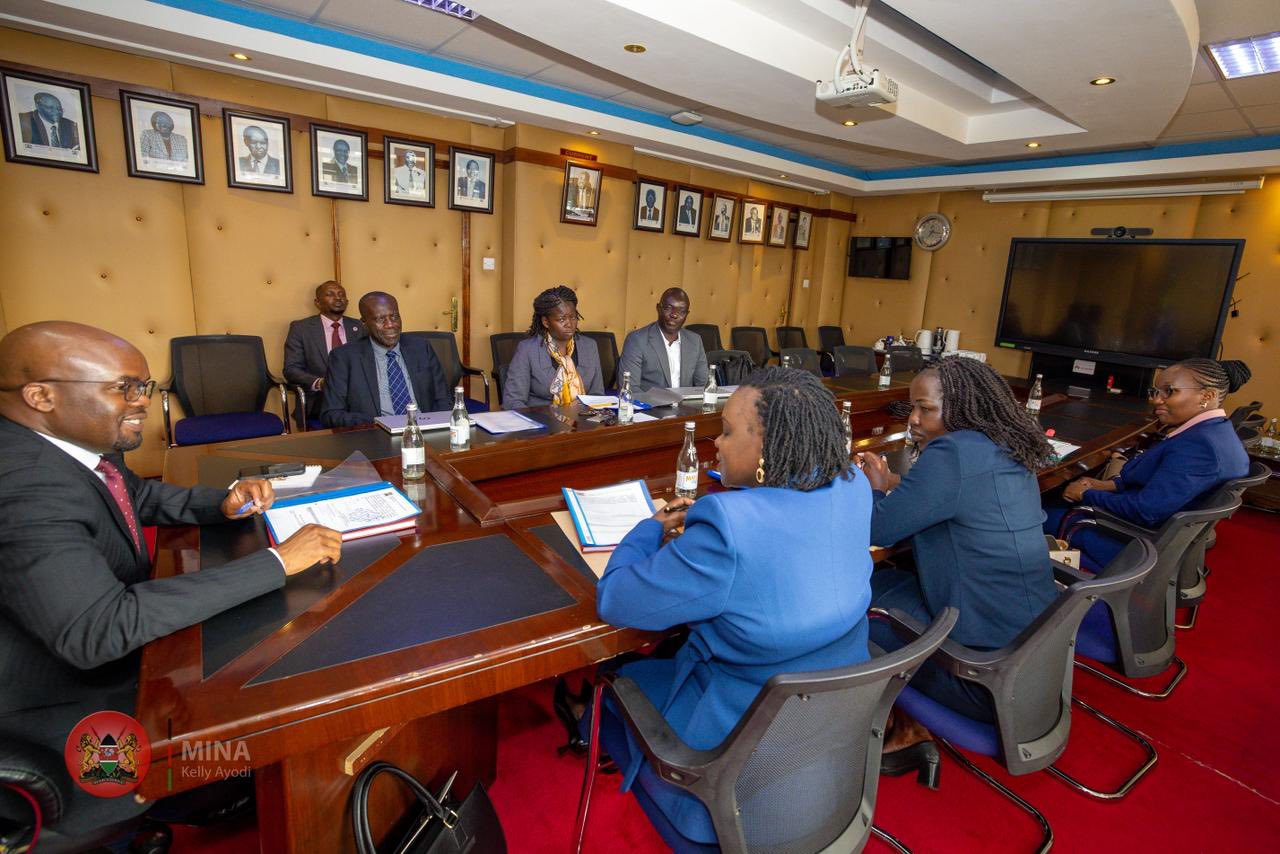
Dr. Raymond Omollo, the Principal Secretary for the Ministry of Interior, chaired an important strategic meeting with the joint secretaries of the Technical Working Group on Gender-Based Violence (GBV) and Femicides. The session focused on reviewing and reinforcing existing policy frameworks aimed at combating GBV and femicides in Kenya, as well as identifying gaps in their implementation.
Addressing the Growing Concern of Gender-Based Violence
Gender-Based Violence remains a critical issue in Kenya, with increasing reports of violence against women and children. Dr. Omollo emphasized the need to strengthen the country’s policy frameworks and ensure that they are effectively implemented. The meeting provided a platform for discussion on how government agencies, civil society, and community stakeholders can work together to address the root causes of GBV, and how they can better protect vulnerable populations.
Strategizing Effective Implementation
A key focus of the meeting was identifying gaps in the current strategies for addressing GBV and femicides. Dr. Omollo highlighted the importance of implementing actionable strategies that ensure more effective coordination among government agencies and relevant stakeholders. By reinforcing the existing frameworks, the group aims to create a safer environment for women, children, and other vulnerable groups who are at risk of gender-based violence.
Strengthening Collaboration Among Key Stakeholders
During the meeting, Dr. Omollo discussed the importance of collaboration among government bodies, civil society organizations, and community groups in the fight against GBV and femicides. The need for stronger partnerships and coordinated efforts was emphasized to ensure that policies are not only developed but also implemented effectively. The discussion highlighted the role of education, awareness, and community engagement in reducing GBV and protecting those at risk.
Ensuring Long-Term Impact
The ultimate goal of the meeting was to ensure that Kenya’s efforts to combat GBV and femicides lead to tangible, long-term change. Dr. Omollo stressed the importance of continuously evaluating the effectiveness of current policies and making adjustments as needed to better protect vulnerable populations. This includes strengthening legal frameworks, improving access to support services, and ensuring that perpetrators are held accountable.
Conclusion: A Unified Effort for Protection
This meeting marks an important step towards a more coordinated and effective approach to combating Gender-Based Violence and femicides in Kenya. With ongoing collaboration and strategic policy enforcement, the country aims to create a safer environment for all its citizens, particularly women and children who are at the highest risk of violence.