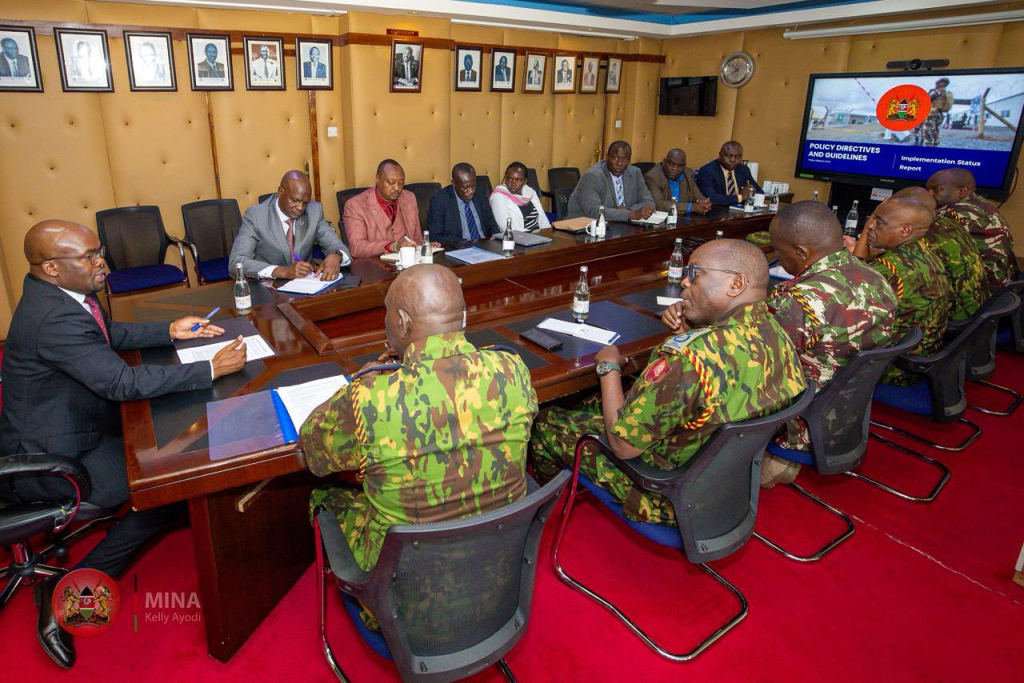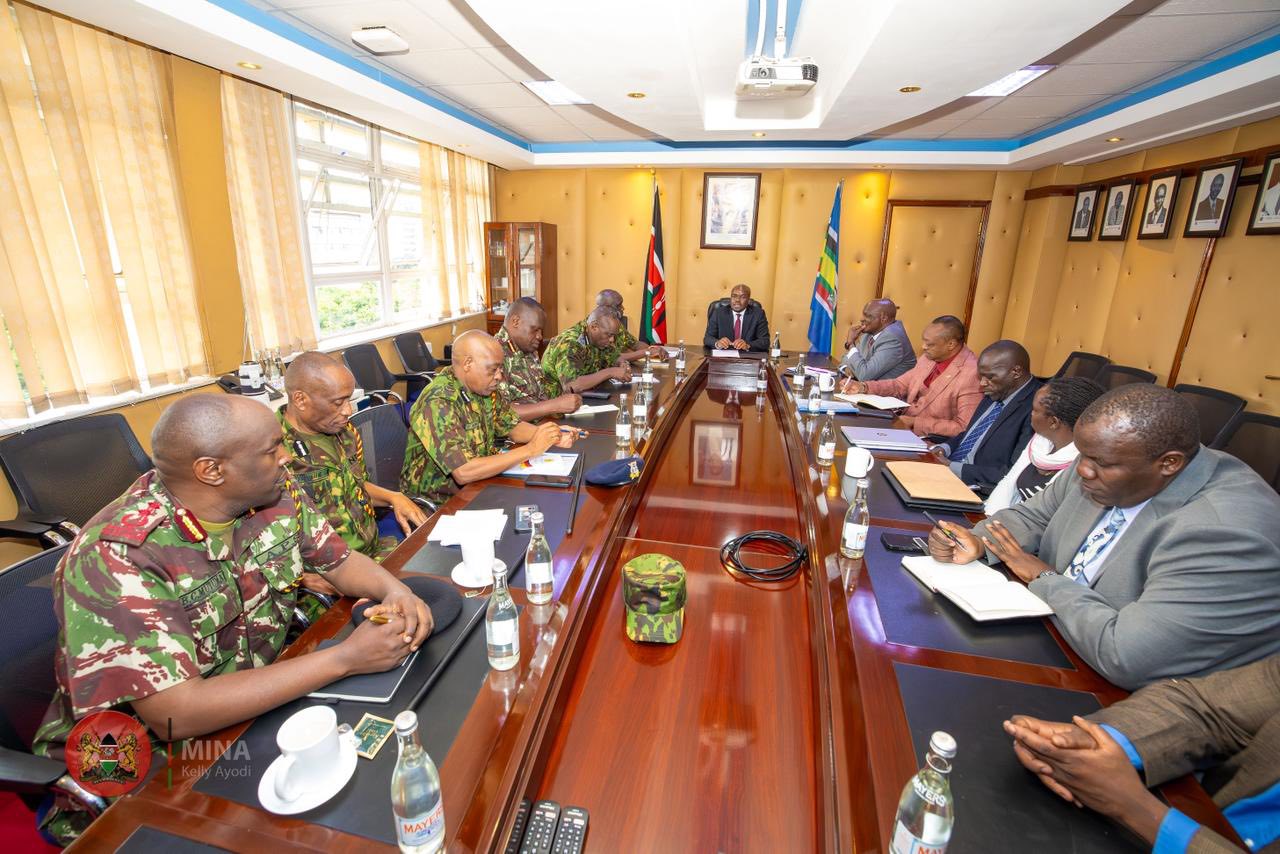
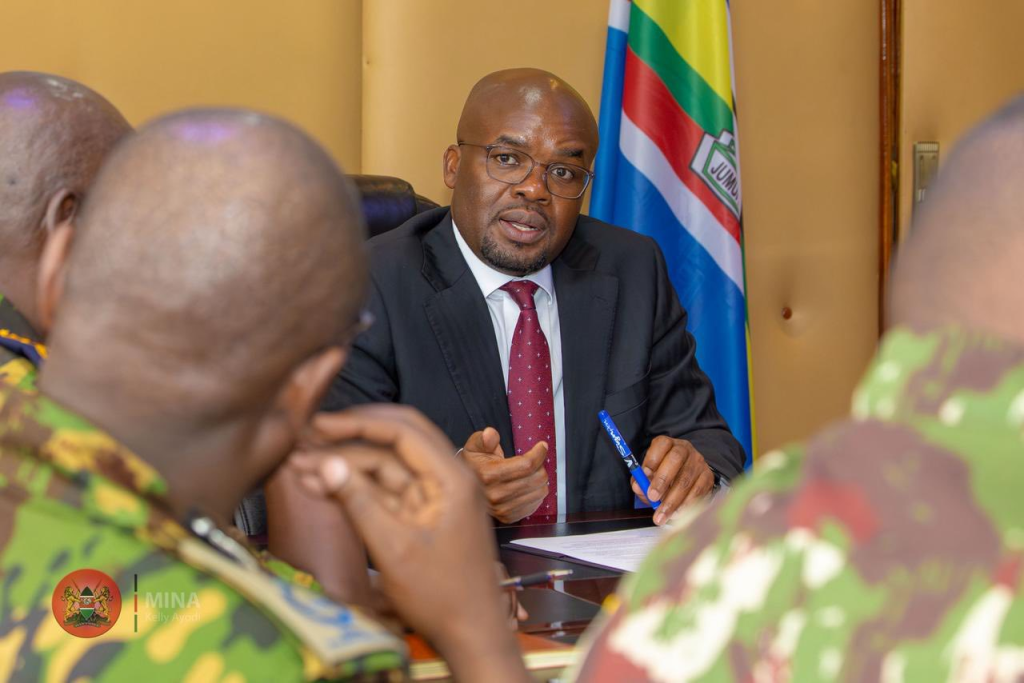
Dr. Raymond Omollo, the Principal Secretary of the Interior Ministry, recently chaired a key National Steering Committee meeting aimed at reviewing the progress of ongoing police reforms in Kenya. The meeting focused on evaluating implementation milestones, identifying challenges, and strategizing actionable measures to further advance the National Police Service (NPS) reform agenda.
Assessing Progress in Policing Reforms
The meeting was an important step in assessing the current status of police reforms in Kenya. The National Steering Committee gathered to evaluate how far the reforms have come, scrutinize implementation strategies, and address any gaps in the process. Dr. Omollo emphasized the importance of ensuring that the reforms align with the vision for a more effective, transparent, and community-oriented police service.
Key Policy Guidelines for Police Transformation
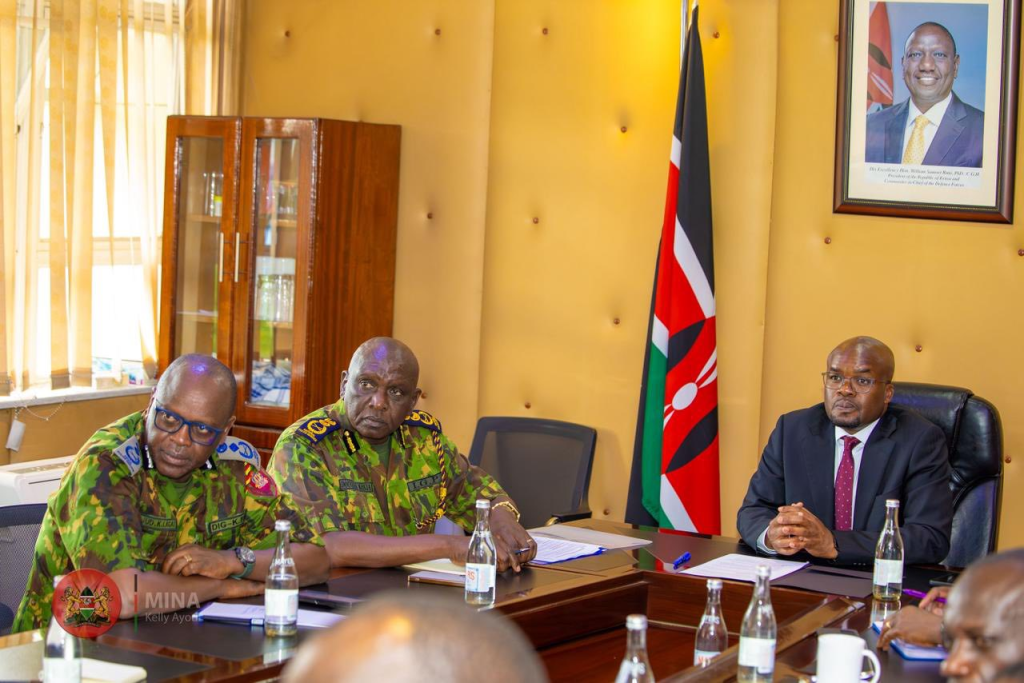
One of the significant outcomes of the meeting was the discussion of the newly developed policy guidelines and directives. These guidelines, developed through the Police Reforms Unit, include the Transformation of Police Stations into Centers of Policing Service Delivery, which is a major step towards improving police operations and accessibility to the public. The committee also reviewed policies regarding the Review of Specialized Units, as well as the Units and Sub-Units within the National Police Service.
Dr. Omollo highlighted how these policies aim to ensure that police stations are more efficient, responsive, and better equipped to handle modern challenges. The transformation will also contribute to building public trust in the police force.
Alignment with Broader Reform Agenda
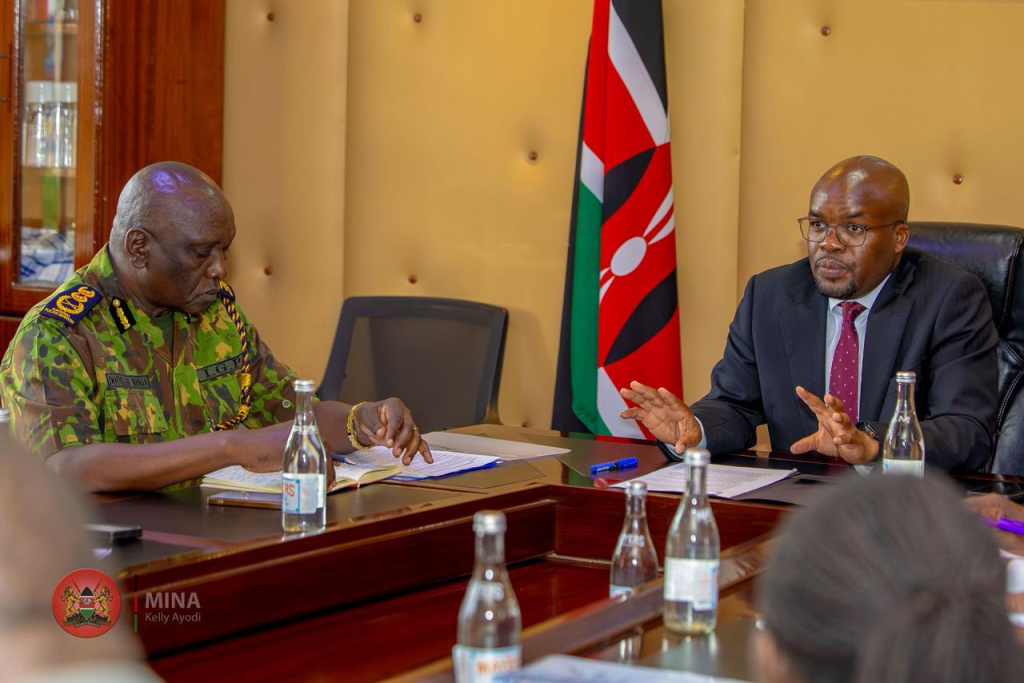
During the meeting, Dr. Omollo and NPS leadership discussed the need for greater alignment between the ongoing reforms and the broader reform agenda. The reforms focus on ensuring that all aspects of the National Police Service are modernized and able to meet the demands of a rapidly changing security landscape. The integration of modern policing strategies, enhanced training, and improved infrastructure were identified as critical elements in achieving long-term success in this transformation.
Dr. Omollo stressed that this process must be systematic, with clear timelines and measurable outcomes, ensuring that every reform initiative contributes to the broader goals of improving public safety and service delivery.
The Role of NPS Leadership in Reform Execution
Dr. Omollo’s engagement with the NPS leadership was pivotal in ensuring that the reforms are executed effectively. He noted that leadership commitment at all levels is crucial to driving the reform agenda forward. The collaboration between the National Steering Committee, the Police Reforms Unit, and the NPS leadership will ensure that the reforms are not just theoretical but implemented in a way that makes a tangible difference in the lives of Kenyan citizens.
Conclusion: A New Era for Policing in Kenya
As the National Police Service continues to evolve under Dr. Omollo’s leadership, these ongoing reforms are setting the stage for a new era of policing in Kenya. The review and implementation of these policy guidelines will enhance the professionalism, efficiency, and accountability of the police force, ultimately building a safer and more secure environment for all Kenyans.