China has expressed serious concerns over the European Union’s proposed cybersecurity package, accusing it of being a protectionist measure that unfairly targets Chinese companies. The proposal, introduced by the European Commission, includes a revised Cybersecurity Act that mandates “de-risking” of European mobile telecommunications networks from high-risk suppliers, a move seen as primarily aimed at Chinese tech firms like Huawei and ZTE. This policy, according to Beijing, threatens fair competition and undermines international market principles.
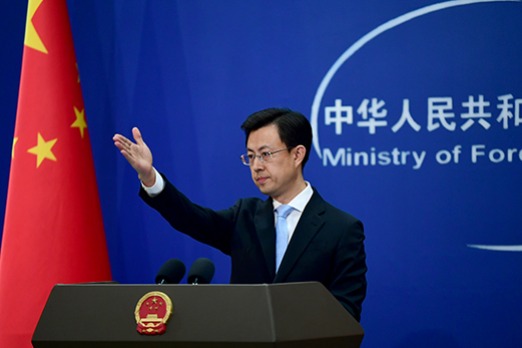
Guo Jiakun, a spokesman for the Chinese Foreign Ministry, responded to the proposal by reaffirming that Chinese companies operating in Europe have long complied with local laws and regulations. He emphasized that these companies have never compromised European national security, instead contributing significantly to the development of the continent’s telecommunications and digital industries. Guo argued that Chinese firms have consistently provided high-quality products and services to European consumers, despite facing mounting political and regulatory challenges.
The proposed cybersecurity measures, Guo stated, impose non-technical standards that restrict or outright ban Chinese companies from participating in the European market. He criticized the European Commission for basing these restrictions on political manipulation rather than factual evidence. The Chinese government contends that such actions represent blatant protectionism, violating the principles of market competition and fairness.
Guo further warned that the EU’s stance could lead to substantial economic costs. He cited instances where countries that phased out Chinese telecommunications equipment experienced significant economic losses, hindering the development of local digital and cyberspace industries. The Chinese government believes that such protectionist measures will not achieve the intended security objectives but instead disrupt the growth and innovation of Europe’s digital economy.
This dispute highlights the ongoing tensions between China and the EU over technology and security issues. As the digital and telecommunications sectors become increasingly vital to global economic and strategic competition, the outcome of this debate will have significant implications for international business relations and cybersecurity standards.