


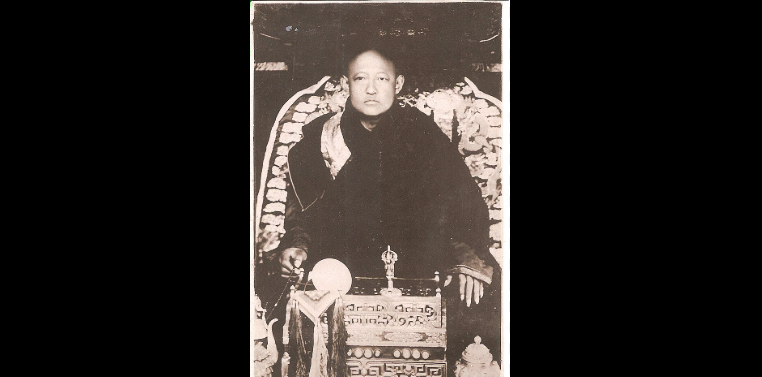
Bogd Gegeen Khan (flourished 1911–24, Urga [now Ulaanbaatar]) was the spiritual and political leader of Mongolia, revered as the Living Buddha of the Yellow Hat (Dge-lugs-pa) sect of Tibetan Buddhism. He played a pivotal role in Mongolia’s early independence movement, guiding the nation during a period of political upheaval and transition.
Rise to power and declaration of independence
As the eighth Jebtsundamba Khutuktu, Bogd Gegeen Khan was the highest-ranking Buddhist leader in Mongolia. Following the collapse of the Qing dynasty in 1911, he proclaimed Mongolia’s independence from China and was enthroned as Bogd Khan, the nation’s theocratic ruler. This marked the beginning of the Bogd Khanate of Mongolia.
Although he symbolized national sovereignty, Mongolia’s true independence was not fully secured until 1921, when revolutionary forces with Soviet backing expelled Chinese troops and defeated internal counterrevolutionaries.
Leadership and legacy
Bogd Gegeen Khan served as head of state from 1911 until his death in 1924, presiding over a government where Buddhist lamas held significant influence. His reign was characterized by efforts to preserve Mongolian autonomy, promote Buddhist institutions, and maintain national identity amid foreign pressure from China, Russia, and internal factions.
When he died in 1924, the newly established Mongolian People’s Republic abolished the theocratic monarchy and declared Mongolia a secular socialist state. Despite this, Bogd Gegeen Khan remains a symbol of Mongolian independence and spiritual authority, remembered as the last theocratic ruler of the country.
Quick Facts
| Attribute | Details |
|---|---|
| Also Known As | Bogd Khan |
| Flourished | 1911–1924, Urga (now Ulaanbaatar) |
| Religious Role | Living Buddha of the Yellow Hat (Dge-lugs-pa) sect |
| Political Role | Head of State of Mongolia (1911–1924) |
| Historic Contribution | Proclaimed Mongolia’s independence in 1911; last theocratic monarch |


