On February 19, 2025, Apple introduced the iPhone 16e, a groundbreaking addition to its smartphone lineup that blends advanced technology with affordability. Priced at $599, this device replaces the iPhone SE series, offering a compelling option for consumers seeking premium features without the flagship price tag. Unveiled amidst a competitive mid-tier market, the iPhone 16e aims to capture attention with its modern design, enhanced performance, and integration of Apple Intelligence. Here’s a detailed look at what this new iPhone brings to the table.
Design and Display
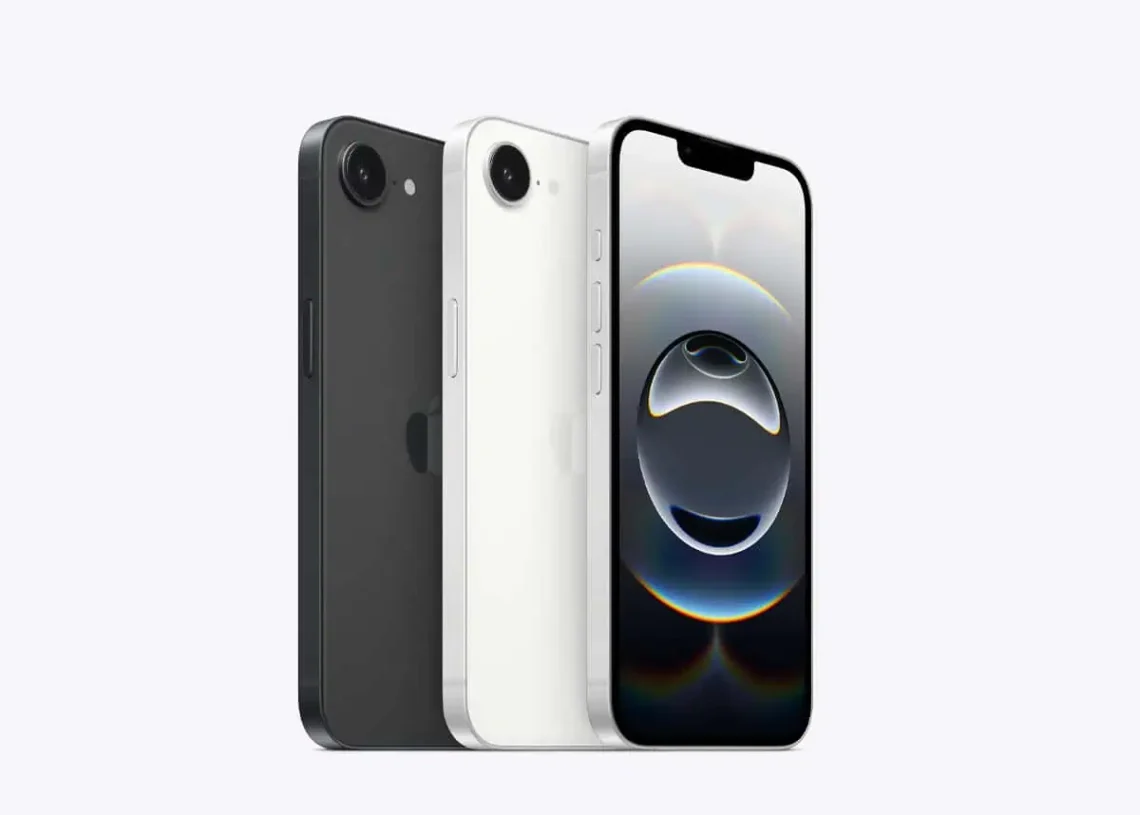
The iPhone 16e marks a significant departure from the traditional iPhone SE design, embracing a contemporary aesthetic that aligns with Apple’s current lineup. It features a 6.1-inch Super Retina XDR OLED display, delivering vibrant colors, deep blacks, and a resolution of 2556 x 1179 pixels. This all-screen design eliminates the iconic Home button and Touch ID, ushering in Face ID via a notch at the top of the display—a first for Apple’s entry-level offerings.
- Materials and Finishes: Available in two matte finishes—black and white—the iPhone 16e sports an aluminum frame with a Ceramic Shield front cover, touted as tougher than any smartphone glass, and a durable back glass with an IP68 rating for water and dust resistance.
- Design Shift: By retiring the Home button, Apple unifies its design language, moving away from the compact 4.7-inch LCD screens of past SE models to a larger, more immersive display suited for modern apps, HDR videos, and gaming.
This shift might disappoint fans of smaller iPhones, but it reflects Apple’s focus on a consistent, edge-to-edge experience across its portfolio.
Performance and Battery Life
At the heart of the iPhone 16e lies the A18 chip, the same powerhouse found in the iPhone 16 and 16 Plus, ensuring flagship-level performance at a lower price point.
- A18 Chip: With a 6-core CPU (80% faster than the iPhone 11’s A13 Bionic), a 4-core GPU, and a 16-core Neural Engine, the A18 delivers smooth multitasking, stunning graphics for AAA gaming, and efficient machine learning capabilities. It’s optimized for Apple Intelligence, enabling advanced AI features on-device.
- C1 Modem: The iPhone 16e introduces Apple’s first in-house cellular modem, the C1, replacing Qualcomm chips. Apple claims it’s the most power-efficient modem ever in an iPhone, supporting 5G connectivity (though not mmWave) and contributing to exceptional battery life.
- Battery Life: Apple touts the iPhone 16e as having the “best battery life ever on a 6.1-inch iPhone,” offering up to 26 hours of video playback—six hours more than the iPhone 11 and 12 hours more than any iPhone SE model. This leap is attributed to the synergy of the A18 chip, C1 modem, and iOS 18’s advanced power management.
While exact battery capacity remains undisclosed, this efficiency positions the 16e as a standout for users prioritizing longevity.
Camera System
The iPhone 16e elevates mobile photography with a single 48-megapixel Fusion camera, a significant upgrade from the 12MP sensors of previous SE models.
- Key Features:
- Integrated 2x Telephoto Lens: Provides optical-quality zoom without a secondary lens, making it a “two-in-one” camera system.
- Enhanced Low-Light Performance: Leveraging the Photonic Engine and Night mode, it captures detailed images in dim conditions.
- Advanced Video Recording: Supports 4K at 60 fps with Dolby Vision HDR, delivering cinematic quality for enthusiasts.
- Smart HDR 5 and Deep Fusion: These technologies enhance dynamic range and detail, producing vibrant, textured photos. By default, it shoots 24MP images, with an option for full 48MP resolution.
- Front Camera: A 12MP TrueDepth camera with autofocus powers Face ID and selfies, supporting Portrait mode and 4K video.
While it lacks an ultra-wide lens (available on higher-end iPhone 16 models), the 48MP Fusion camera offers professional-grade capabilities at a mid-tier price, appealing to both casual users and photography buffs.
Apple Intelligence Integration
The iPhone 16e stands out as the most affordable iPhone to support Apple Intelligence, Apple’s suite of AI-driven features introduced with iOS 18:
- Capabilities: Includes Genmoji for custom emoji creation, Writing Tools for text editing and summarization, Image Playground for generative art, and a smarter Siri with ChatGPT integration. Visual Intelligence, triggered via the Action button, lets users analyze objects or scenes through the camera.
- Privacy Focus: Apple emphasizes on-device processing for most tasks, with Private Cloud Compute ensuring data security for cloud-based operations, maintaining user privacy—a hallmark of Apple’s AI approach.
This integration brings flagship AI experiences to a broader audience, potentially driving upgrades among budget-conscious consumers seeking cutting-edge functionality.
Connectivity and Charging
- USB-C Port: The iPhone 16e adopts USB-C, complying with universal standards and replacing the Lightning port of past SE models. It supports USB 2.0 speeds (up to 480 Mbps) and wired charging at 20W, achieving 50% charge in 30 minutes with a compatible adapter.
- Wireless Charging: Compatible with Qi wireless charging at up to 7.5W, but notably, it lacks MagSafe support, missing out on the 15W magnetic charging speeds of higher-end models.
- Satellite Connectivity: Includes Emergency SOS, Roadside Assistance, Messages, and Find My via satellite, ensuring communication in areas without cellular or Wi-Fi coverage.
The absence of MagSafe and faster USB 3 speeds (up to 10 Gbps on iPhone 16 Pro models) reflects cost-saving measures, though the inclusion of satellite features adds practical value.
Market Position and Availability
- Positioning: Priced at $599 for the 128GB base model (with 256GB and 512GB options at $699 and $899), the iPhone 16e replaces the iPhone SE ($429) and slots below the $799 iPhone 16. It targets mid-tier buyers, competing with devices like the Google Pixel 8a ($499) and Samsung Galaxy S24 FE ($649), offering premium features at a competitive price.
- Availability: Pre-orders begin February 21, 2025, with general availability starting February 28, 2025, through Apple’s website, stores, and authorized retailers worldwide.
- Kenya Market: In Kenya, the iPhone 16e will be available via Apple’s official channels and partners like Phone Place Kenya and Price Point. Local pricing will vary due to taxes and import duties, likely ranging from KSh 80,000 to KSh 100,000 for the base model, based on historical trends for iPhone launches in the region.
By retiring the SE line, Apple signals a shift toward a unified design and feature set, positioning the 16e as a bridge between budget and flagship offerings.
Conclusion
The iPhone 16e is a strategic move by Apple to redefine the mid-tier smartphone market. With its modern design, powerful A18 chip, C1 modem, 48MP camera, and Apple Intelligence, it delivers a compelling mix of performance and affordability at $599. While it sacrifices features like MagSafe and an ultra-wide lens to hit this price point, its exceptional battery life and AI capabilities make it a standout option for cost-conscious consumers seeking a premium iPhone experience. As it rolls out globally, including in Kenya, the iPhone 16e could reshape Apple’s market share in the competitive mid-range segment, proving that cutting-edge technology need not come at a flagship cost.