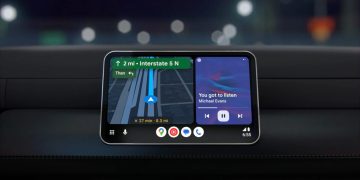
Google is continuously working to enhance Android Auto, making it more than just a navigation and entertainment platform. Despite being a superior alternative to built-in infotainment systems, Android Auto has always been limited in its ability to control core vehicle functions. However, new findings from the latest Android Auto beta (version 14) suggest that Google is now exploring the possibility of integrating car climate controls into the system.
If this feature rolls out in a stable update, Android Auto will move beyond just mirroring smartphone apps—it will start interacting with vehicle systems, bringing it closer to the capabilities of Android Automotive OS.
Google Might Bring Climate Controls to Android Auto
Recent code snippets from Android Auto Beta 14 hint at potential climate control functions, particularly the ability to control defrosting settings. The discovered references include:
control_defrost_front– Front windshield defrost togglecontrol_defrost_rear– Rear windshield defrost toggle
If implemented, this feature would allow drivers to toggle their car’s defrosters directly from Android Auto, making it more convenient and reducing distractions while driving.
A Major Step for Android Auto
Until now, Android Auto has never been able to control vehicle-specific settings such as temperature, seat heating, or air conditioning. If Google follows through with these changes, it would represent a significant step towards deeper vehicle integration, bringing it closer to the Android Automotive OS experience.
However, there are no visual elements tied to these features yet, meaning the climate control integration is still in early development. It remains unclear if and when this feature will be available in a public release.
Android Auto vs. Android Automotive OS: What’s the Difference?
To understand the significance of this update, it’s important to differentiate between Android Auto and Android Automotive OS:
| Feature | Android Auto | Android Automotive OS |
|---|---|---|
| Requires a smartphone? | Yes ✅ | No ❌ |
| Controls car systems? | No ❌ (until now) | Yes ✅ |
| Mirrors apps from phone? | Yes ✅ | No ❌ (apps run natively) |
| Independent infotainment system? | No ❌ | Yes ✅ |
Android Auto is simply an app that connects a smartphone to a car’s infotainment system, while Android Automotive OS is a fully integrated vehicle operating system that does not require a phone.
By adding climate control features to Android Auto, Google is blurring the lines between these two platforms, signaling a shift towards greater integration with vehicle hardware.
More Enhancements: Improved Incident Alerts
Beyond climate controls, Android Auto Beta 14 also introduces potential improvements to incident alerts. New code references suggest that Google is developing a dedicated settings section for navigation alerts, which may include:
- “ALERT_SETTINGS_CATEGORY_TITLE” → Alerts
- “NAVIGATION_ALERT_SETTING” → Get alerts for reported incidents and other conditions that may impact your drive
This update could allow users to customize how they receive traffic and incident alerts, reducing distractions and improving the user experience compared to Google Maps’ current alert system, which is often intrusive and visually cluttered.
What This Means for the Future of Android Auto
The climate control integration and improved navigation alerts are just the beginning of what could be a major transformation for Android Auto. If Google continues down this path, we may see deeper vehicle system controls within Android Auto, such as:
✅ Adjusting temperature settings
✅ Controlling seat heating and cooling
✅ Managing fan speeds and air circulation
✅ Activating other vehicle functions like headlights or seat memory settings
If successful, Android Auto will start behaving more like an operating system rather than just a smartphone projection tool.
Final Thoughts: A Step Closer to the Future of Smart Cars
Google’s latest Android Auto beta indicates a shift towards more powerful and integrated vehicle controls. While no official release date has been announced, the defrost controls and improved incident alerts could be precursors to a more sophisticated, AI-driven driving experience.
The biggest question remains: Will car manufacturers allow Google to integrate further into their vehicles? Many automakers prefer keeping control over their infotainment systems, but if Google succeeds, Android Auto could become the go-to interface for in-car technology.
🚘 Would you use Android Auto for climate control, or do you think car manufacturers will resist this change? Let us know! 🚀