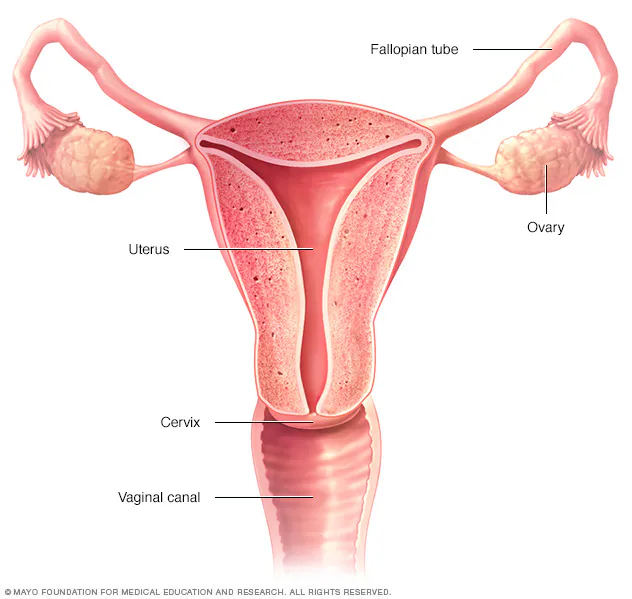
Amenorrhea is the absence of menstruation, defined as missing one or more periods. It can be classified into two types: primary amenorrhea, when menstruation has not begun by age 15, and secondary amenorrhea, which occurs when menstruation stops for three or more consecutive cycles in someone who has had regular periods before. Understanding the causes, symptoms, and treatment of amenorrhea is essential for addressing this condition effectively.
Symptoms of Amenorrhea
In addition to the absence of menstruation, other possible symptoms include:
- Milky nipple discharge.
- Hair loss.
- Headaches or vision changes.
- Excess facial hair.
- Acne.
- Pelvic pain.
When to See a Doctor
Consult a healthcare provider if:
- You have missed three or more periods in a row.
- You have not started menstruation by age 15.
- You experience other symptoms like pelvic pain or milky nipple discharge.
Causes of Amenorrhea
Amenorrhea can occur due to various reasons, ranging from natural life stages to medical conditions.
1. Natural Causes
- Pregnancy: The most common cause of secondary amenorrhea.
- Breastfeeding: Often delays the return of menstruation after childbirth.
- Menopause: The natural end of menstruation, typically occurring around age 50.
2. Contraceptives
- Some forms of birth control, such as pills, injections, implants, or intrauterine devices (IUDs), can cause menstrual periods to stop temporarily or for an extended period.
3. Medications
Certain medications can disrupt the menstrual cycle, including:
- Antipsychotics.
- Chemotherapy drugs.
- Antidepressants.
- Blood pressure medications.
- Allergy medications.
4. Lifestyle Factors
- Low Body Weight: Being underweight (10% below normal weight) can disrupt hormonal balance, often seen in eating disorders like anorexia or bulimia.
- Excessive Exercise: Athletes in rigorous training may experience amenorrhea due to low body fat, stress, and high energy expenditure.
- Stress: Severe stress can affect the hypothalamus, a brain region that regulates menstruation.
5. Hormonal Imbalance
- Polycystic Ovary Syndrome (PCOS): A common cause of irregular periods due to consistently high hormone levels.
- Thyroid Disorders: Overactive (hyperthyroidism) or underactive (hypothyroidism) thyroid glands can disrupt menstruation.
- Pituitary Tumors: Noncancerous growths in the pituitary gland can interfere with hormone regulation.
- Premature Menopause: Early ovarian failure before age 40 can cause menstruation to stop.
6. Structural Problems
- Uterine Scarring: Conditions like Asherman’s syndrome, often caused by surgical procedures, can prevent normal menstruation.
- Congenital Issues: Missing or underdeveloped reproductive organs may result in primary amenorrhea.
- Vaginal Obstructions: Structural abnormalities can block menstrual blood flow.
Risk Factors
- Family History: A genetic predisposition to amenorrhea.
- Eating Disorders: Conditions like anorexia or bulimia increase the risk.
- Rigorous Athletic Training: High-energy sports or activities.
- Gynecological Procedures: Surgeries like dilation and curettage (D&C) or LEEP.
Complications of Amenorrhea
The underlying causes of amenorrhea may lead to additional health problems:
- Infertility: Without ovulation, pregnancy is not possible.
- Osteoporosis: Low estrogen levels can weaken bones.
- Cardiovascular Disease: Estrogen deficiency can raise the risk of heart problems.
- Pelvic Pain: Anatomical issues causing amenorrhea may also result in pain.
- Emotional Stress: Adolescents and young adults may experience distress due to delayed or absent menstruation compared to peers.
Diagnosis and Treatment
Diagnosis
Diagnosis involves a thorough medical history, physical examination, and diagnostic tests such as:
- Blood tests to check hormone levels.
- Imaging tests like ultrasound or MRI to examine reproductive organs.
- Genetic testing for primary amenorrhea.
Treatment
Treatment depends on the underlying cause:
- Lifestyle Modifications: Maintaining a healthy weight and managing stress.
- Hormonal Therapy: To regulate periods or treat conditions like PCOS or thyroid dysfunction.
- Surgical Intervention: For structural abnormalities or tumors.
- Medications: Adjusting or stopping medications causing amenorrhea.
Prevention
While not all cases of amenorrhea are preventable, these measures can help maintain menstrual health:
- Balanced Diet: Ensure adequate calorie and nutrient intake.
- Regular Exercise: Avoid excessive physical exertion.
- Stress Management: Practice relaxation techniques.
- Medical Follow-Up: Address underlying conditions promptly.
Medical Disclaimer
This article is for informational purposes only and not a substitute for professional medical advice, diagnosis, or treatment. If you experience symptoms of amenorrhea or have concerns about your menstrual health, consult a qualified healthcare provider. Always seek the guidance of a licensed medical professional for any medical concerns.