


Alcoholic hepatitis is an inflammatory condition of the liver caused by excessive alcohol consumption. This disease often develops in people who drink heavily over many years. However, not everyone who drinks excessively develops alcoholic hepatitis, and the condition can also occur in those who drink moderately.
If diagnosed with alcoholic hepatitis, the most critical step is to stop drinking alcohol. Continuing to drink can lead to severe liver damage, life-threatening complications, and death.
Symptoms of Alcoholic Hepatitis
The symptoms of alcoholic hepatitis range from mild to severe, depending on the extent of liver damage. Common symptoms include:
- Jaundice: Yellowing of the skin and eyes.
- Loss of appetite: Reduced desire to eat, leading to malnourishment.
- Nausea and vomiting
- Abdominal tenderness: Pain or discomfort in the upper right side of the belly.
- Fever: Often low-grade.
- Fatigue and weakness: Persistent tiredness and reduced energy levels.
Severe symptoms may include:
- Ascites: Fluid accumulation in the abdomen.
- Hepatic encephalopathy: Confusion, drowsiness, and erratic behavior due to toxin buildup in the brain.
- Kidney and liver failure
When to See a Doctor
Seek medical attention immediately if you experience:
- Symptoms of jaundice or persistent nausea.
- Difficulty controlling your alcohol consumption.
- Confusion, significant abdominal swelling, or severe fatigue.
Causes of Alcoholic Hepatitis
Alcoholic hepatitis occurs due to the toxic effects of alcohol on the liver. Factors contributing to the condition include:
- Toxic chemicals from alcohol metabolism: These cause inflammation and destruction of liver cells.
- Nutritional deficiencies: Alcohol disrupts the body’s ability to absorb and use nutrients, leading to liver damage.
- Liver scarring: Chronic alcohol use replaces healthy liver tissue with scar tissue, leading to cirrhosis.
Risk Factors
Several factors increase the likelihood of developing alcoholic hepatitis:
- Quantity and duration of alcohol consumption: Drinking heavily for many years increases the risk.
- Gender: Women are more susceptible to alcoholic hepatitis due to differences in alcohol metabolism.
- Obesity: Excess weight compounds the risk of liver inflammation and damage.
- Genetics: Genetic predispositions may make some individuals more prone to alcohol-related liver disease.
- Binge drinking: Consuming large amounts of alcohol in a short period increases the likelihood of liver damage.
- Hepatitis C infection: Combining alcohol use with hepatitis C significantly raises the risk of cirrhosis.
Complications
Alcoholic hepatitis can lead to severe and potentially life-threatening complications, including:
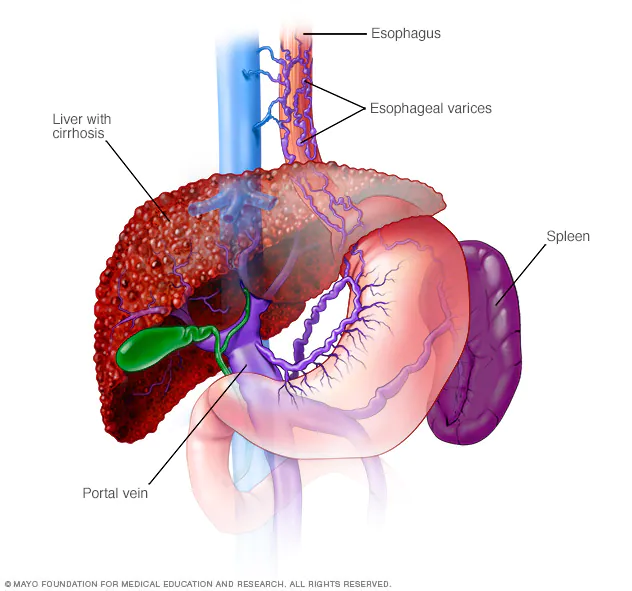
- Esophageal varices: Enlarged veins in the stomach or esophagus that can rupture and cause life-threatening bleeding.
- Ascites: Fluid buildup in the abdomen, which can become infected.
- Hepatic encephalopathy: Toxin accumulation in the brain, causing confusion and potentially leading to a coma.
- Kidney failure: Impaired liver function affects kidney performance, leading to organ damage.
- Cirrhosis: Irreversible scarring of the liver, leading to liver failure.
Prevention
To reduce the risk of alcoholic hepatitis:
- Limit alcohol consumption:
- Women: No more than one drink per day.
- Men: No more than two drinks per day.
- Avoid alcohol altogether for the best prevention.
- Avoid binge drinking: Refrain from consuming large quantities of alcohol within a short period.
- Protect against hepatitis C: Avoid sharing needles, practice safe sex, and ensure blood products are screened.
- Check medication labels: Avoid mixing alcohol with medications that can harm the liver, such as acetaminophen.
Medical Disclaimer
This article is for informational purposes only and is not a substitute for professional medical advice, diagnosis, or treatment. Always seek the guidance of a qualified healthcare provider with any questions you may have regarding a medical condition. If you or someone you know may have alcoholic hepatitis or related symptoms, seek medical attention promptly. Never disregard or delay seeking medical advice because of something you have read here.


