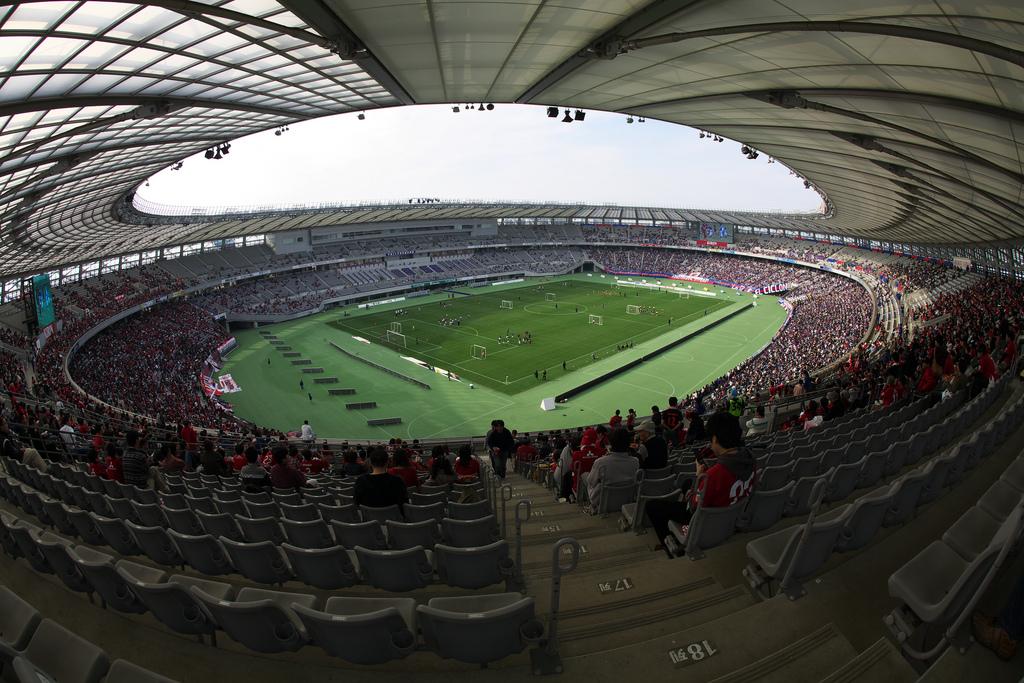
Ajinomoto Stadium Tokyo is one of Japan’s most important multi-purpose sports venues, located in Chōfu on the western side of the capital. Since its opening in 2000, Ajinomoto Stadium Tokyo has become a central home for football, rugby and large public events, serving FC Tokyo, Tokyo Verdy and various national competitions. With its flexible design, modern facilities and long history of hosting international tournaments, Ajinomoto Stadium Tokyo holds a key place in Tokyo’s sporting landscape.
Stadium Details
| Feature | Information |
|---|---|
| Name | Ajinomoto Stadium (Tokyo Stadium) |
| Capacity | 50,100 |
| Country | Japan |
| City | Chōfu, Tokyo |
| Home Clubs | FC Tokyo, Tokyo Verdy |
| Inauguration | November 2000 |
| Construction | Founded March 2001 on former Kantō Mura site |
| Design | — |
| Contractors | — |
| Owner | — |
| Address | Chōfu, Tokyo, Japan |
| Other | Two-tier stands, partial roof, artificial + natural turf layout |
Origins and Development
Ajinomoto Stadium was developed on the former Kantō Mura site, previously used by United States Forces Japan. The project marked a significant step in Tokyo’s plans for modern multi-use facilities and opened officially in November 2000. It became the first Japanese stadium to sell naming rights when Ajinomoto Co., Inc. secured a five-year deal in 2003, later renewed multiple times.
The stadium is known locally as Ajisuta and remains one of the most commercially recognized venues in Japan thanks to its long-term naming rights partnerships.
Role in Japanese Football
Ajinomoto Stadium is the home venue for FC Tokyo and Tokyo Verdy, two historic clubs with strong followings. With a capacity of more than 50,000, the stadium is regularly used for J1 League, J2 League and cup matches, along with promotional playoffs and large-scale domestic fixtures.
Its two-tier seating layout, with a lower bowl of 29,370 seats and an upper tier of 20,600, provides excellent viewing conditions. The stadium’s LED screens, hospitality areas and VIP zones are housed in the main stand, which serves as the operational heart of the venue.
Although the stadium did not host official matches during the 2002 FIFA World Cup, it played a significant role as the training base for Saudi Arabia’s national team during the tournament.
Rugby and International Events
Rugby union has also become a major part of the stadium’s identity. Ajinomoto Stadium hosted matches during the 2019 Rugby World Cup, including the tournament’s opening ceremony and opening match. It staged eight matches in total, including the Bronze Final, making it one of the event’s most important venues.
The stadium also served as the rugby venue during the Tokyo 2020 Summer Olympics. Due to IOC regulations, it was referred to as Tokyo Stadium during the Games.
Stadium Architecture and Facilities
The stadium features a modern two-level seating design divided into main, back, north and south sections. The roof, made of Teflon and polycarbonate materials, covers the entire upper tier and part of the lower stands. The design ensures weather protection while maintaining an open, airy feel.
The pitch was originally intended for both athletics and football, but due to delayed construction of a secondary athletics ground, the stadium primarily served football for many years. Artificial turf covers the perimeter areas while natural grass covers the football field. A running track was added in 2013 for the National Sports Festival, though it is still often covered by artificial turf for football matches.
Location and Surroundings
Situated near Chofu Airport, the stadium is subject to height restrictions that led to the pitch being built below ground level. Route 20 runs along the south end, where a pedestrian bridge connects directly to the main entrance. Its accessibility, combined with wide concourses and efficient crowd flow, makes it a reliable venue for high-attendance events.
A Versatile Venue in Greater Tokyo
Ajinomoto Stadium Tokyo has served not only as a sporting hub but also as an important community asset. It functioned as a shelter during the 2011 Tōhoku earthquake and tsunami, hosted concerts, flea markets and civic events, and remains a central gathering place for sports fans in Tokyo.
With its long history of football, rugby and multi-purpose usage, Ajinomoto Stadium Tokyo continues to stand as one of Japan’s most active and versatile stadiums.