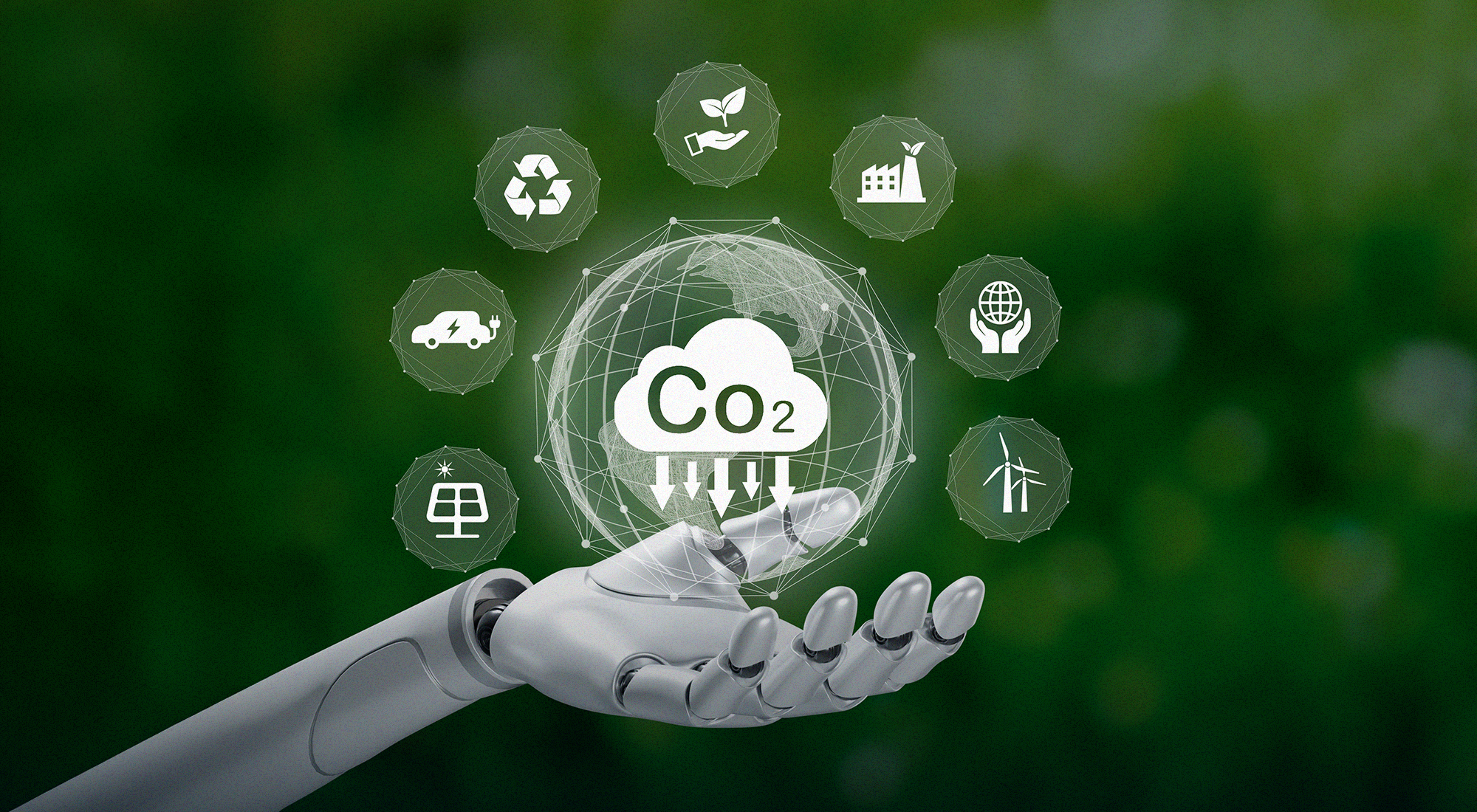
Climate change is one of the most pressing global threats of the 21st century—and artificial intelligence is stepping in with tools that can analyze, predict, and help mitigate environmental damage at scale. A new class of AI startups solving climate change is emerging, leveraging deep learning, satellite imagery, predictive analytics, and real-time modeling to make the planet cleaner, greener, and more sustainable.
Here are five standout climate-focused AI startups that are making measurable impact in 2025.
🌿 1. ClimateAI – Forecasting Agricultural Resilience
Headquarters: San Francisco, USA
Founded: 2017
ClimateAI uses machine learning models to forecast climate risks and optimize crop strategies. The platform helps farmers and food producers make smarter decisions about:
- Planting and harvest timing
- Irrigation scheduling
- Crop selection based on weather projections
Their AI-powered climate modeling helps adapt agricultural systems to extreme weather events, droughts, and heatwaves—making food systems more resilient.
Why It Matters: Agriculture contributes significantly to emissions, but is also most vulnerable to climate disruption. ClimateAI is solving both.
🔍 2. Pachama – AI for Forest Carbon Monitoring
Headquarters: San Francisco, USA
Founded: 2018
Pachama combines satellite imagery, LIDAR data, and AI algorithms to monitor the health and carbon absorption of forests. Their technology verifies carbon offset projects and ensures accountability in reforestation programs.
By using computer vision and deep learning, Pachama can assess:
- Tree biomass and canopy density
- Deforestation threats
- Real-time forest changes
Why It Matters: Forests are Earth’s lungs. AI helps verify their health and validate green investments at scale.
⚡ 3. Gridware – AI for Wildfire Prevention and Smart Grids
Headquarters: California, USA
Founded: 2020
Gridware focuses on climate-resilient infrastructure, using sensor-driven AI systems to monitor electric grid performance and predict wildfire risk.
Its platform:
- Detects anomalies like heat or vibrations in power poles
- Prevents electrical fires before they start
- Sends predictive maintenance alerts to utility companies
Why It Matters: Electrical infrastructure failure causes many wildfires. Gridware’s predictive AI offers a powerful solution for disaster prevention.
🌎 4. Cervest – Enterprise Climate Intelligence
Headquarters: London, UK
Founded: 2016
Cervest offers a climate intelligence platform that helps businesses and governments understand the climate risk to their physical assets—buildings, supply chains, and infrastructure.
Powered by AI-driven climate models, Cervest delivers:
- Asset-level climate risk scores
- Regulatory and ESG compliance guidance
- Adaptation planning for floods, storms, and heat
Why It Matters: Cervest helps institutions adapt to climate volatility while aligning with sustainability goals and global climate reporting standards.
💨 5. Spire Global – AI and Satellite Climate Analytics
Headquarters: Vienna, Virginia, USA
Founded: 2012
Spire Global operates a fleet of small satellites collecting atmospheric and environmental data, which is processed through AI models for use in:
- Weather forecasting
- Climate pattern prediction
- Emission tracking in aviation and shipping
Its AI enables real-time insights into global greenhouse gas emissions and climate trends that were previously invisible or too complex to track.
Why It Matters: Climate solutions start with better data. Spire makes global climate monitoring precise and accessible.
📊 Impact Snapshot
| Startup | Primary Focus | Key Contribution |
|---|---|---|
| ClimateAI | Agriculture & food systems | Climate-smart crop planning |
| Pachama | Forest carbon offsets | Transparent reforestation & carbon credits |
| Gridware | Energy infrastructure | Wildfire prevention & smart grid analytics |
| Cervest | Climate risk for enterprises | Asset-level risk forecasting |
| Spire | Global climate data via satellites | Real-time emission and weather data |
🧠 Why AI Is a Game-Changer for Climate Tech
- Real-time decision making: AI enables faster environmental response
- Pattern recognition: Algorithms detect risks humans might miss
- Scalable modeling: Models can run across geographies and variables
- Operational efficiency: AI reduces emissions in agriculture, energy, and transport
- Public sector collaboration: Governments can use AI insights for disaster management and policy
⚠️ Challenges and Considerations
- Data accuracy is vital for meaningful climate predictions
- Model transparency is required to avoid black-box decisions
- Energy use of AI models must be minimized to align with climate goals
- Equity in deployment is essential for global impact—not just in rich nations
🔮 The Future of AI and Climate Innovation
Expect to see:
- AI-enabled carbon capture optimization
- Urban heat island mapping with real-time interventions
- Climate credit markets powered by blockchain-AI combos
- Predictive disaster relief logistics using generative models
- Sustainability dashboards for all industries, powered by AI
These developments signal a future where AI and climate action are inseparable partners in global survival and sustainability.
Conclusion
These AI startups solving climate change represent the cutting edge of tech-driven environmental resilience. From space to soil, they show how intelligent algorithms can guide the planet toward a more sustainable future.
As the climate emergency intensifies, these innovators offer more than hope—they offer real solutions, powered by real intelligence.