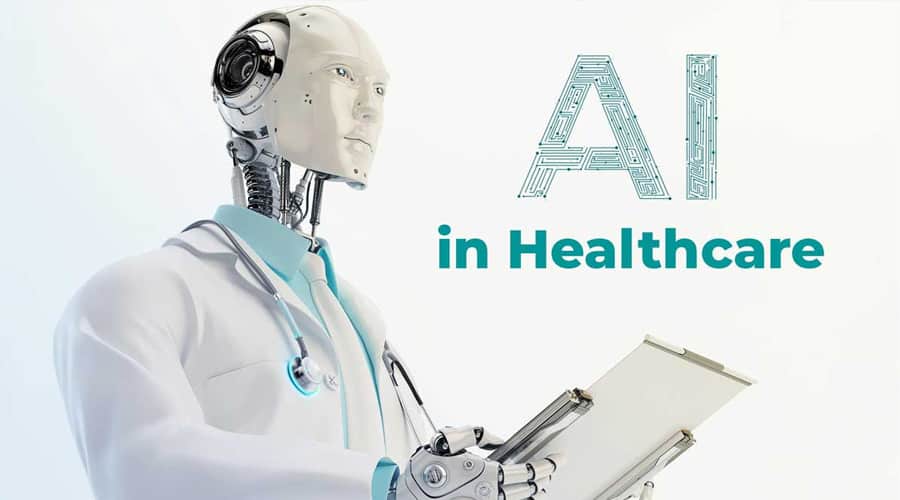
In 2025, AI in healthcare is no longer an emerging concept — it’s a core driver in diagnostics, treatment, administration, and patient experience. From early detection of diseases to optimized clinical workflows and personalized medicine, AI is augmenting capabilities across the healthcare ecosystem.
🧠 1. Diagnostic Imaging & Early Detection
- Medical Imaging Interpretation: AI-powered computer vision evaluates MRI, CT, X‑rays, and ultrasound scans to detect cancerous growths, cardiac anomalies, and neurological conditions quickly and accurately.
- Predictive Analytics in Screening Programs: Models analyze patient data to flag at-risk individuals for diseases like diabetes, heart disease, and chronic kidney conditions, enabling earlier intervention.
- Pathology Automation: AI systems automate slide and histology assessments—reducing manual review times and increasing diagnostic precision.
💊 2. Personalized Treatment & Drug Discovery
- Precision Medicine: AI identifies genetic markers, lifestyle inputs, and response data to tailor treatment plans, improving effectiveness and minimizing side effects.
- Clinical Trial Optimization: Algorithms match patients to trials based on complex profiles, increasing enrollment and enhancing data quality.
- AI-Driven Drug R&D: Machine learning accelerates the discovery of new biologics, small molecules, and therapies, identifying candidate compounds in shorter timeframes.
🩺 3. Virtual Care & Patient Monitoring
- AI Chatbots & Triage Systems: Virtual assistants handle symptom analysis, appointment planning, and medication reminders while triaging urgent cases appropriately.
- Remote Monitoring: Wearables collect health metrics—AI analyzes trends in heart rate, glucose, sleep, and mobility, alerting clinicians to anomalies in real time.
- Telehealth Augmentation: Integrated AI tools assist clinicians with real-time diagnostics, summarizations, and decision-support during virtual consultations.
🧾 4. Clinical Workflow & Administrative Efficiency
- Clinical Documentation Automation: Natural language processing (NLP) systems transcribe and populate electronic health records (EHRs) during patient interactions—freeing clinicians to focus on care.
- Revenue Cycle Optimization: AI streamlines billing, insurance claims processing, and denials management, reducing administrative overhead.
- Scheduling & Resource Management: Automated systems optimize appointment times, resource allocation, and staff rosters to maximize clinic efficiency.
🧬 5. Public Health & Pandemic Response
- Disease Surveillance & Analytics: AI aggregates syndromic signals to detect outbreak clusters, enabling quicker public health responses.
- Vaccination Drive Optimization: Predictive models identify populations at high risk, optimizing outreach efforts and resource distribution.
- Epidemiological Modeling: AI simulations project disease spread under different policy scenarios, aiding public health strategy.
⚙️ 6. Pharmacy & Supply Chain Automation
- Inventory Forecasting: Predictive intelligence prevents medication shortages and ensures on-time restocking across hospitals.
- Automated Dispensing Robots: In-house robotics fulfill prescriptions with high accuracy—integrated with AI for error detection.
- Cold Chain Monitoring: AI sensor networks ensure vaccine integrity and temperature compliance during cold chain logistics.
📊 7. Outcome Measurement & Value-Based Care
- Clinical Outcome Prediction: AI models assess treatment effectiveness and long-term prognosis based on patient-specific care plans.
- Population Health Analytics: Systems segment patients by risk, cost, and outcome, guiding prevention and intervention strategies.
- Quality & Performance Tracking: AI monitors metrics such as readmission rates, length of stay, and patient satisfaction to optimize clinical standards.
📈 Industry Impact & ROI
| Application | Key Impact |
|---|---|
| Diagnostic Imaging | Increased diagnostic speed and accuracy |
| Precision Treatment | Reduced adverse events; improved patient outcomes |
| Virtual Care & Monitoring | Enhanced access; reduced hospital readmissions |
| Clinical Workflow Automation | Lower admin burden; more clinician time for patients |
| Public Health Surveillance | Faster outbreak containment and response |
🔎 What to Watch in 2025 and Beyond
- Federated Learning in Healthcare: Collaborative analytics across hospitals to build better models without data sharing.
- AI-Enhanced Medical Devices: Real-time AI assistance in surgery, point-of-care analysis, and remote diagnostics.
- Ethical AI & Explainability: Focus on transparent, bias-free models with regulatory frameworks and auditability.
- Integrated Patient Platforms: Unified portals where patients manage appointments, chat with clinicians, and receive AI-powered guidance.
Conclusion
In 2025, AI in healthcare is evolving from optional technology to essential infrastructure—enabling early disease detection, personalized treatment, streamlined operations, and proactive public health. As tools mature and regulation adapts, intelligent systems are redefining the future of medicine and patient care.