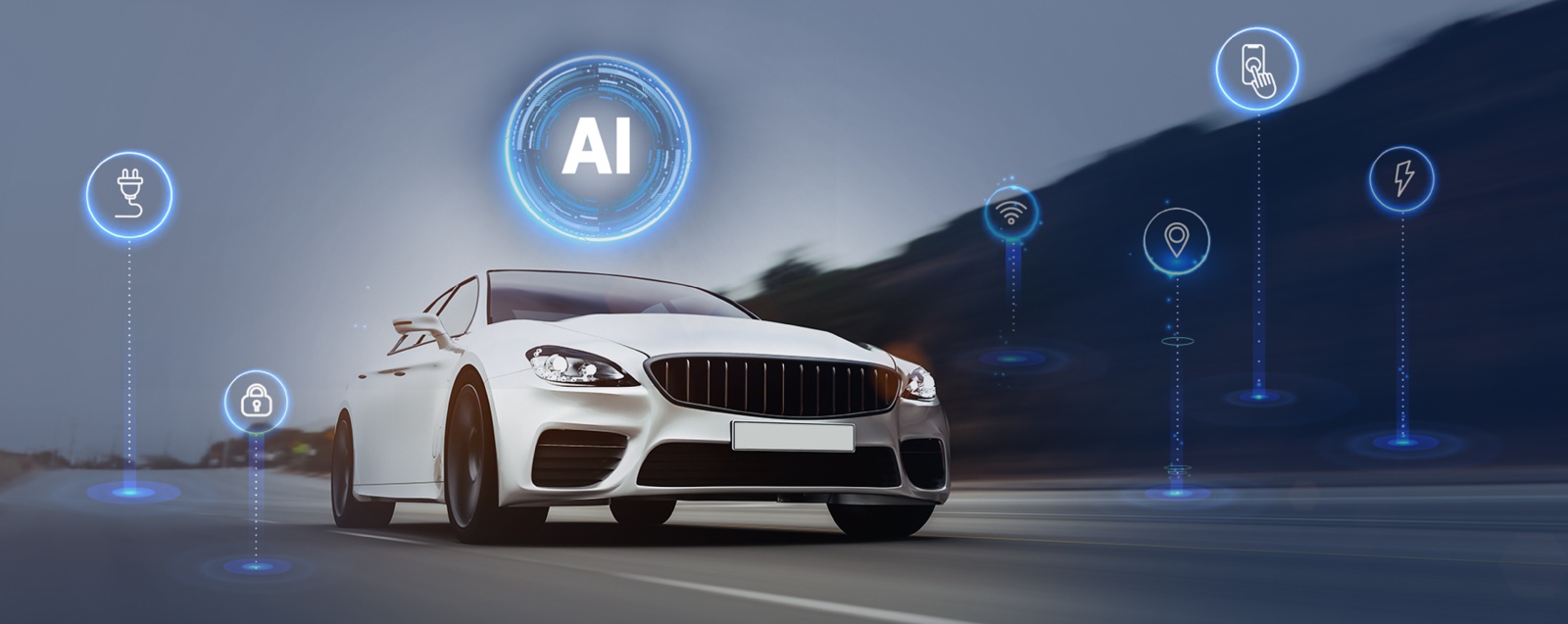
In 2025, AI in the automotive industry is at the wheel of innovation—revolutionizing not just how vehicles drive, but how they’re designed, maintained, and integrated into smarter mobility ecosystems. From autonomous systems to smart manufacturing, AI is transforming every phase of the automotive value chain.
🚗 1. Autonomous Driving & Driver Assistance
- Advanced ADAS Systems: AI enables adaptive cruise control, lane‑keeping, automatic emergency braking, and driver vigilance detection—setting the stage for full autonomy.
- Full Self-Driving (FSD): Companies deploy machine learning models capable of navigating urban environments, handling complex scenarios, and predicting pedestrian behavior.
- Simulation-Based Validation: Tools like Applied Intuition generate synthetic driving data to train and validate ADAS systems under diverse, edge-case conditions.
🔄 2. Predictive Maintenance & Fleet Optimization
- Sensor-Driven Diagnostics: AI analyzes data from telematics, CAN bus, and OBD-II systems to forecast engine failures, brake wear, and part degradation.
- Fleet Efficiency: Predictive models help fleets schedule maintenance, optimize route planning, and reduce time vehicles spend idle—leading to cost savings and higher vehicle uptime.
🏭 3. Smart Manufacturing & Quality Control
- Automated Visual Inspection: Vision-based AI systems detect surface defects, paint flaws, or frame inconsistencies with sub-millimeter accuracy.
- Robotic Assembly Line Synchronization: AI orchestrates robotic arms, logistics, and supply-line automation, increasing throughput and reducing downtime.
- Digital Twins: Virtual replicas monitored in real time using AI ensure product consistency, speed up troubleshooting, and enable preventive interventions.
🧠 4. In‑Vehicle Intelligence & User Experience
- Next-Gen Infotainment: Voice-enabled AI systems deliver natural-language interaction, seat preferences, climate control, and real-time navigation assistance.
- Personalized Cabin Environments: AI learns driver preferences for comfort, seat position, and music, creating a tailored experience over time.
- Safety Monitoring: Inside-camera AI detects driver drowsiness, distractions, and occupant presence, prompting alerts or intervention.
📦 5. Supply Chain & Logistics Management
- Demand Forecasting: AI models anticipate part demand, reducing shortages and optimizing inventories for production lines.
- Automated Scheduling: AI-driven tools manage supplier coordination, shipping logistics, and production sequencing to reduce bottlenecks.
- Warehouse Automation: Vision-guided robots pick and pack automotive parts, improving accuracy and fulfillment speed.
🔐 6. Connected Vehicles & Predictive Analytics
- Telematics Data Insights: AI models extract insights from in-vehicle sensors—fuel consumption, driver behavior, route inefficiencies.
- Proactive Support: Predictive systems dispatch warnings or service recommendations before breakdowns occur, enhancing customer satisfaction.
- Dynamic Pricing & Usage Models: AI analyzes usage patterns for usage-based insurance, subscription pricing, and fleet rental services.
🌐 7. Mobility Services & Ecosystem Integration
- Robotaxis & Shared Fleets: Autonomous ride-sharing services rely on AI for ride matching, route optimization, and fleet allocation.
- Smart City Integration: AI integrated with city systems enables vehicle-to-infrastructure (V2I) communication—coordinating traffic signals and EV charging.
- Mobility-as-a-Service (MaaS): AI platforms combine public transit, on-demand vehicles, and ride-sharing into unified travel experiences.
💡 Industry Impact & ROI
| Application | Key Impact |
|---|---|
| Autonomous Driving & ADAS | Reduction in accidents, enhanced vehicle safety |
| Predictive Maintenance | Lower repair costs, increased uptime |
| Smart Manufacturing | Higher production efficiency, lower defect rates |
| In-Vehicle Experience | Boosted customer satisfaction and loyalty |
| Connectivity & Telematics | New revenue models, preventive services |
🚀 What’s Next in 2025 and Beyond
- AI & 5G for Real-Time Driving: Ultra-low-latency networks enable instant AI response in connected vehicles.
- Fleet-Level Data Sharing: Collaborating across fleets to train AI for rare or extreme driving events.
- Ethical & Safe Autonomy: Robust protocols to ensure AI behavior is transparent, aligned, and responsibly deployed.
- Edge AI in Vehicles: Real-time inference on board with low compute power for advanced driver analytics.
Conclusion
By 2025, AI in automotive industry has become integral—from self-driving cars and predictive maintenance to smart factories and seamless mobility services. As AI systems mature and converge with connectivity, supply chain, and passenger experience, they are driving the automotive sector toward a safer, smarter, and more efficient future.