


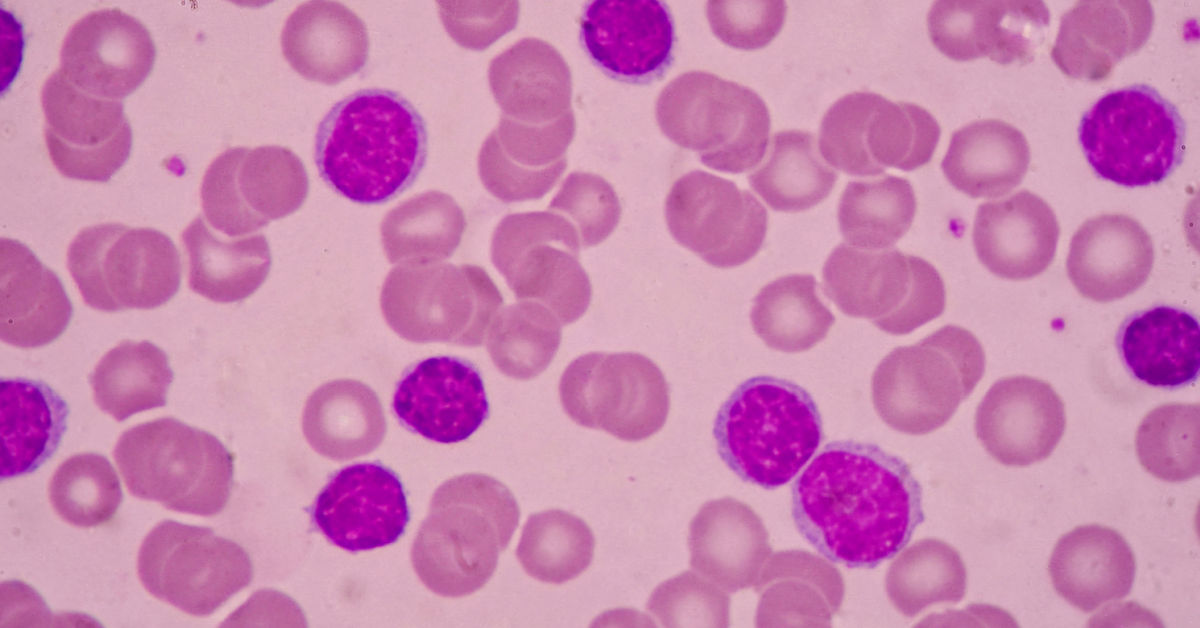
Acute myelogenous leukemia (AML) is a type of cancer that starts in the blood and bone marrow, the spongy tissue inside bones responsible for blood cell production. AML progresses quickly, making early detection and treatment critical. The disease primarily affects myeloid cells, which typically develop into various blood cells, including red blood cells, white blood cells, and platelets.
AML is the most common type of acute leukemia in adults, though it can occur at any age. Unlike other cancers, AML is not classified into numbered stages. This article explores the symptoms, causes, risk factors, and treatment options for AML.
Symptoms of Acute Myelogenous Leukemia
The symptoms of AML often resemble those of more common illnesses, which can delay diagnosis. Being aware of these symptoms is crucial for early detection:
- Fever: Persistent or unexplained high temperatures.
- Pain: Frequently experienced in the bones, back, or abdomen.
- Fatigue: A general sense of tiredness or weakness that doesn’t improve with rest.
- Paleness: A noticeable change in skin tone due to anemia.
- Frequent Infections: Recurrent or prolonged infections caused by a lack of healthy white blood cells.
- Easy Bruising and Bleeding: Unexplained bruises or bleeding, especially from the nose or gums.
- Shortness of Breath: Difficulty breathing or feeling winded during regular activities.
When to See a Doctor
If symptoms persist or worsen, consult a healthcare professional. While AML symptoms overlap with those of less severe conditions, ruling out leukemia is essential.
Causes of Acute Myelogenous Leukemia
The exact cause of AML is often unknown. However, the disease begins with changes (mutations) in the DNA of bone marrow cells, particularly myeloid cells.
How AML Develops:
- DNA Mutations: Changes in the genetic instructions within myeloid cells lead to uncontrolled growth and multiplication.
- Production of Abnormal Cells: These mutations cause the myeloid cells to produce immature white blood cells called myeloblasts, which don’t function properly.
- Crowding Out Healthy Cells: The excessive buildup of myeloblasts in the bone marrow prevents the formation of healthy red blood cells, platelets, and white blood cells.
Risk Factors for Acute Myelogenous Leukemia
Several factors increase the likelihood of developing AML, though many cases occur without clear risk factors.
1. Age:
- AML is most commonly diagnosed in adults over the age of 65.
2. Prior Cancer Treatment:
- Certain types of chemotherapy and radiation therapy are linked to a higher risk of AML.
3. Radiation Exposure:
- High levels of radiation, such as those from nuclear accidents, increase the risk.
4. Chemical Exposure:
- Prolonged exposure to benzene, a chemical found in cigarette smoke and industrial products, is associated with AML.
5. Smoking:
- Cigarette smoke contains numerous carcinogens, including benzene, which may increase AML risk.
6. Blood Disorders:
- Conditions like myelodysplasia, myelofibrosis, polycythemia vera, and thrombocythemia raise the risk.
7. Genetic Disorders:
- Disorders such as Down syndrome are linked to a higher likelihood of AML.
8. Family History:
- A family history of blood or bone marrow disorders may increase the risk.
It’s important to note that many people with these risk factors never develop AML, and some diagnosed with the disease have no identifiable risk factors.
Complications of Acute Myelogenous Leukemia
If untreated, AML can lead to severe complications:
- Infections: A compromised immune system increases vulnerability to severe and recurrent infections.
- Anemia: The lack of red blood cells leads to fatigue, weakness, and shortness of breath.
- Bleeding Disorders: Reduced platelet counts can result in easy bruising and uncontrolled bleeding.
- Organ Damage: The accumulation of abnormal cells can enlarge the spleen or liver, disrupting normal organ function.
Diagnosis of Acute Myelogenous Leukemia
Early and accurate diagnosis is essential for effective treatment. Healthcare professionals use the following tests to confirm AML:
1. Blood Tests:
- A complete blood count (CBC) reveals abnormal levels of white blood cells, red blood cells, and platelets.
2. Bone Marrow Biopsy:
- A sample of bone marrow is examined under a microscope to identify cancerous cells.
3. Genetic Testing:
- Analyzing the DNA of leukemia cells helps determine the most effective treatment plan.
Treatment Options for Acute Myelogenous Leukemia
AML treatment aims to eradicate leukemic cells, restore healthy blood cell production, and prevent recurrence. Treatment typically involves a combination of the following:
1. Chemotherapy:
- The main treatment for AML, delivered in phases: induction therapy to eliminate cancer cells and consolidation therapy to prevent relapse.
2. Targeted Therapy:
- Drugs that focus on specific genetic mutations or abnormalities in cancer cells.
3. Radiation Therapy:
- Used in specific cases, such as when AML has spread to the central nervous system.
4. Stem Cell Transplant:
- Replaces diseased bone marrow with healthy stem cells from a donor. Often used after high-dose chemotherapy.
5. Supportive Care:
- Blood transfusions and antibiotics help manage symptoms and prevent complications during treatment.
Prognosis and Survival Rates
The outlook for AML varies depending on several factors, including age, overall health, and the specific genetic mutations of the cancer cells.
- Children: The 5-year survival rate for children with AML is about 65%.
- Adults: For adults, the 5-year survival rate ranges between 25–40%, with younger adults having better outcomes.
Prevention of Acute Myelogenous Leukemia
There are no guaranteed ways to prevent AML, but you can reduce risks by:
- Avoiding Tobacco: Refrain from smoking and avoid exposure to secondhand smoke.
- Limiting Chemical Exposure: Minimize contact with benzene and other industrial chemicals.
- Radiation Precautions: Limit unnecessary exposure to medical imaging radiation.
- Regular Health Checkups: Monitor and manage any preexisting conditions or risk factors.
Living with Acute Myelogenous Leukemia
A diagnosis of AML can be overwhelming, but a strong support system and proactive care can make a significant difference.
Coping Strategies:
- Seek support from family, friends, or cancer support groups.
- Maintain a balanced diet and stay as active as possible.
- Work closely with your healthcare team to manage side effects and monitor progress.
Conclusion
Acute myelogenous leukemia is a rapidly progressing cancer that requires immediate medical attention. Early diagnosis and advancements in treatment have improved outcomes for many patients. Understanding the symptoms, causes, and treatment options empowers patients and caregivers to make informed decisions about care.
If you or a loved one experiences persistent symptoms or has risk factors for AML, consult a healthcare professional for evaluation. Timely intervention can improve survival and quality of life.


