


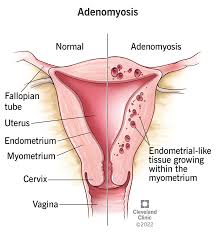
Adenomyosis is a condition in which the inner lining of the uterus (endometrial tissue) grows into the muscular wall of the uterus. This displaced tissue continues to behave like normal endometrial tissue during each menstrual cycle, thickening, breaking down, and bleeding. This can result in an enlarged uterus, painful periods, and heavy menstrual bleeding. While adenomyosis typically resolves after menopause, it can significantly impact quality of life before then.
Symptoms of Adenomyosis
The severity of symptoms varies among individuals. While some may have mild or no symptoms, others experience significant discomfort. Common symptoms include:
- Heavy or prolonged menstrual bleeding
- Severe menstrual cramps (dysmenorrhea) described as sharp or knifelike pelvic pain
- Chronic pelvic pain
- Painful intercourse (dyspareunia)
- Enlarged uterus: This may lead to noticeable tenderness or a feeling of pressure in the lower abdomen
If adenomyosis causes heavy bleeding, it may result in anemia, leading to fatigue and other health concerns.
When to See a Doctor
Consult a healthcare professional if you experience:
- Prolonged, heavy menstrual bleeding
- Severe cramping that interferes with daily activities
- Chronic pelvic pain
- Pain during intercourse
Early diagnosis can improve symptom management and prevent complications.
Causes of Adenomyosis
The exact cause of adenomyosis is not fully understood, but several theories exist:
- Invasive Tissue Growth
Endometrial cells invade the uterine muscle, possibly facilitated by prior uterine surgeries such as cesarean sections or fibroid removal. - Developmental Origins
Some researchers suggest the condition originates during fetal development when endometrial tissue becomes trapped in the uterine muscle. - Inflammation Post-Childbirth
Inflammation following childbirth might disrupt the boundary between the endometrium and the uterine muscle. - Stem Cell Theory
Stem cells from bone marrow may invade the uterine muscle and contribute to the condition.
The progression of adenomyosis is closely linked to circulating estrogen levels.
Risk Factors
Certain factors increase the likelihood of developing adenomyosis, including:
- Prior Uterine Surgery: Such as cesarean sections, fibroid removal, or dilation and curettage (D&C).
- Childbirth: Having given birth is associated with an increased risk.
- Age: Most commonly diagnosed in women in their 40s and 50s, likely due to prolonged estrogen exposure.
Recent studies suggest that adenomyosis may also be common in younger women.
Complications
- Chronic Anemia
Heavy or prolonged menstrual bleeding can lead to anemia, resulting in fatigue, weakness, and other health issues. - Lifestyle Impact
Pain and excessive bleeding may disrupt daily life, causing individuals to avoid activities or social interactions due to fear of pain or bleeding episodes.
Diagnosis and Treatment
Diagnosis
Diagnosis typically involves a combination of:
- Medical History and Symptom Review
- Pelvic Examination: To check for an enlarged uterus.
- Imaging Tests: Ultrasound or MRI can help identify uterine enlargement or thickened muscle layers.
- Endometrial Biopsy: To rule out other conditions.
Treatment
Treatment depends on the severity of symptoms and may include:
- Medications:
- Hormonal therapies to regulate menstrual cycles and reduce symptoms.
- Nonsteroidal anti-inflammatory drugs (NSAIDs) for pain relief.
- Surgical Options:
- Hysterectomy: The only definitive cure, involving removal of the uterus.
- Uterine artery embolization: Minimally invasive, reduces blood flow to affected areas.
- Lifestyle Adjustments:
- Stress management and regular exercise may alleviate symptoms.
Living with Adenomyosis
While adenomyosis can be disruptive, many treatment options are available to manage symptoms. Early intervention and a tailored treatment plan can significantly improve quality of life.
If you suspect adenomyosis, consult a healthcare provider to explore your treatment options and regain control over your health and well-being.


