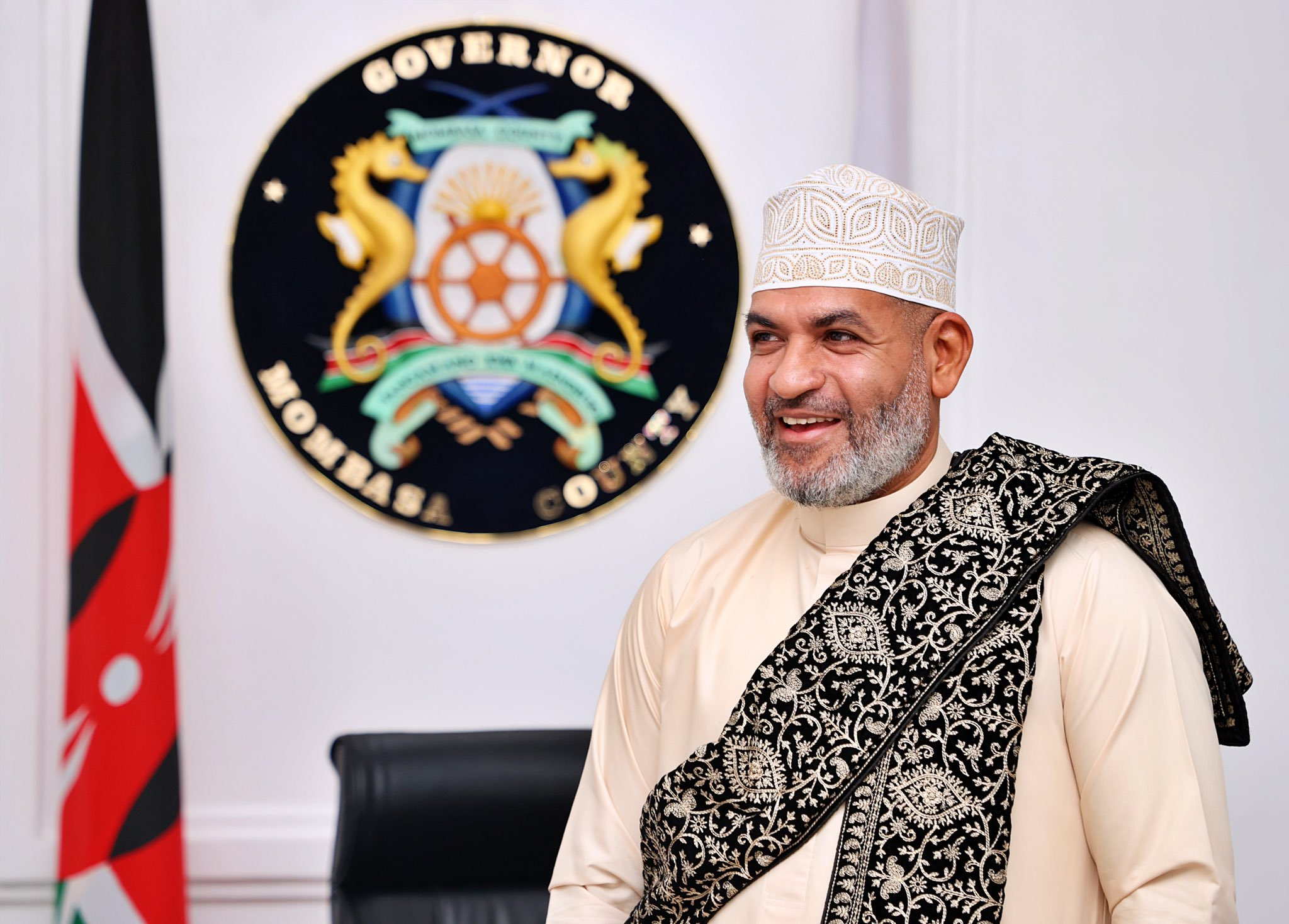
In a powerful message shared on social media, Abdulswamad Sheriff Nassir, a prominent leader, vehemently rejects the prevailing stereotype associating the people of the Coast region with drug consumption, be it drugs or muguka. Nassir’s statement not only addresses the concerns of the present but also echoes a commitment to reshaping the future narrative of his community.
Nassir’s tweet underscores a deep-seated frustration with the narrow and often negative perceptions that have long plagued the coastal communities. By rejecting the stereotype that the locals can only aspire to be consumers of drugs, he highlights a crucial societal challenge — the need for redefining identity and aspirations beyond the imposed narratives. His message is a call to action, urging a departure from the victim mentality and moving towards self-empowerment and positive community values.
His confidence in the future generations reshaping this narrative is both hopeful and strategic. It suggests a long-term vision where the current and upcoming generations of the Coast will not only redefine themselves but will also actively participate in creating a community that thrives on positive contributions and achievements. Nassir’s use of a public platform to express these sentiments amplifies the reach of his message, potentially inspiring others within and outside the Coast to support initiatives aimed at community upliftment.
Furthermore, Nassir’s positioning in front of the Governor’s seal, with the Kenyan flag beside him, adds a formal and authoritative gravitas to his message. It visually reinforces his role as a leader committed to advocating for the welfare and progress of his constituents. The use of traditional attire in the photograph also serves as a nod to his roots and cultural heritage, which enhances the authenticity and emotional impact of his statement.
This call for a change in perception and aspiration is not just about combating stereotypes; it’s about inspiring a collective movement towards economic, social, and cultural revitalization. By emphasizing “we are in this, not for ourselves but our children and their children after that,” Nassir effectively frames the fight against stereotypes as a multi-generational mission, infusing a sense of responsibility and urgency in addressing these issues.
Overall, Nassir’s message serves as a beacon of hope and a rallying cry for all those who envision a future where communities are no longer defined by reductive labels but by their potential and contributions to society. His stance invites both reflection and action, aiming to foster a legacy of empowerment and positive change for the Coast and its people.